Explore the Coffee Route tradition in these “Pueblos Mágicos”

In Mexico, coffee is more than just a morning pick-me-up; it is a ritual that connects the land to the cup. Beyond its flavor, every sip holds stories of families, mist, and mountains. In fact, our country is one of the world’s leading producers of organic coffee and boasts regions protected by Denomination of Origin.
If you are a traveler seeking genuine experiences, we invite you to a journey through the Pueblos Mágicos (Magical Towns) that preserve the most authentic coffee traditions.
A journey back in time: How did coffee arrived to Mexico?
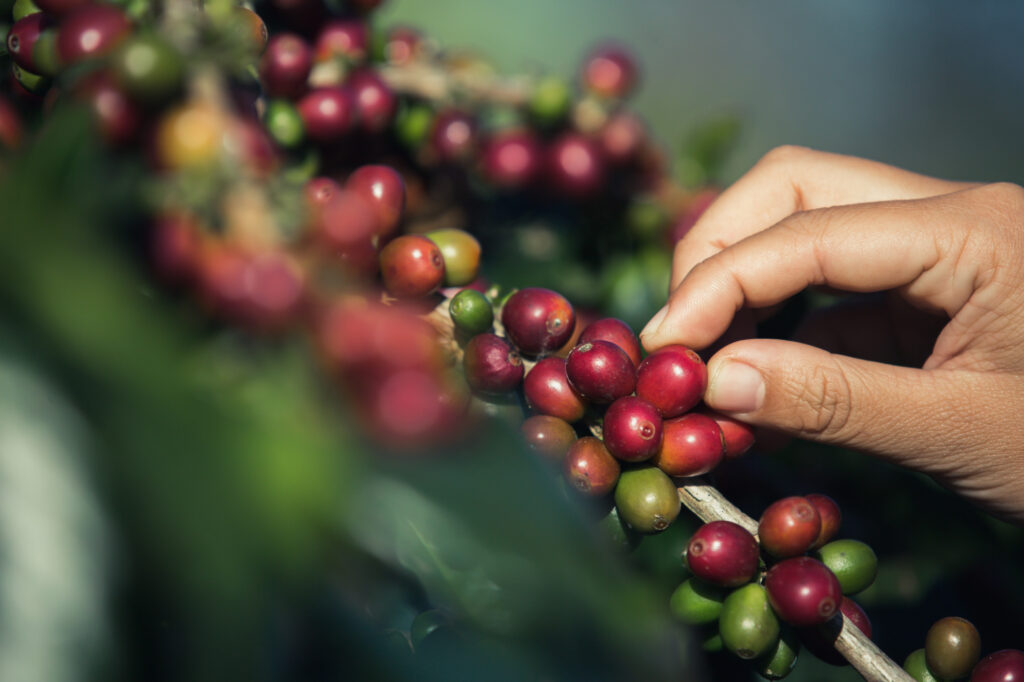
Although it seems impossible today to imagine a Mexican breakfast without a cup of café de olla, this plant was not always here. History tells us that coffee arrived on our shores in the late 18th century (around 1790), from the Antilles via the port of Veracruz.
What began as an exotic crop in the region of Córdoba soon found its ideal home in the Mexican geography. The humid mountains and volcanic soils offered the perfect conditions for the grain to flourish, transforming Mexico into one of the top 10 producers worldwide.
Historic Estates and the jungle in Chiapas
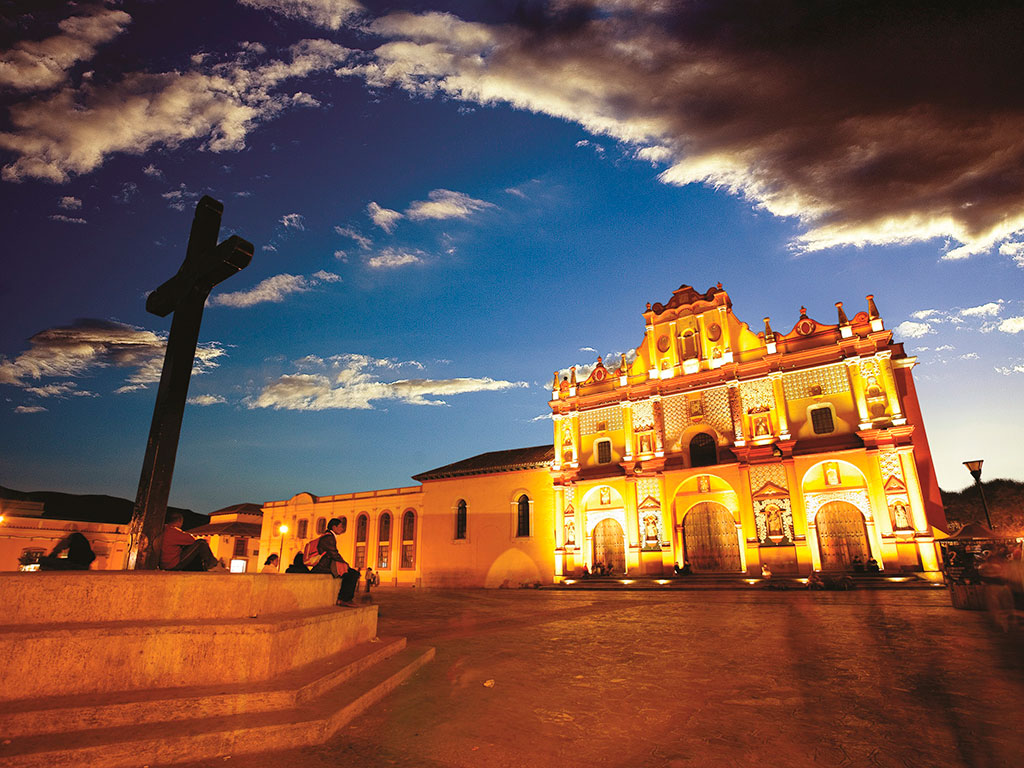
Chiapas grows 41% of Mexico’s coffee, making it the leading state in national production. It also holds the “Café Chiapas” Appellation of Origin, which protects grains grown in its volcanic soils, famous for their high acidity and intense aroma.
- San Cristóbal de las Casas: Although the coffee plantations are located in the lower jungle zones, “San Cris” is the gourmet showcase for the entire state. Along its tourist walkways, you will find specialty coffee shops serving beans sourced directly from the jungle estates. It is the meeting point where expert baristas prepare sophisticated extraction methods using coffee from nearby regions, such as Yajalón or Ocosingo.
- The Estate experience (Soconusco): If you decide to venture a little beyond the Pueblos Mágicos, the Chiapas Coffee Route allows you to stay at legendary estates like Finca Hamburgo or Finca Argovia. Here, the coffee tour is immersive: you can sleep in cabins amidst the plantation, participate in the harvest (depending on the season), and enjoy coffee-based spa treatments.
Veracruz: The Cradle of Coffee with a Forest Aroma
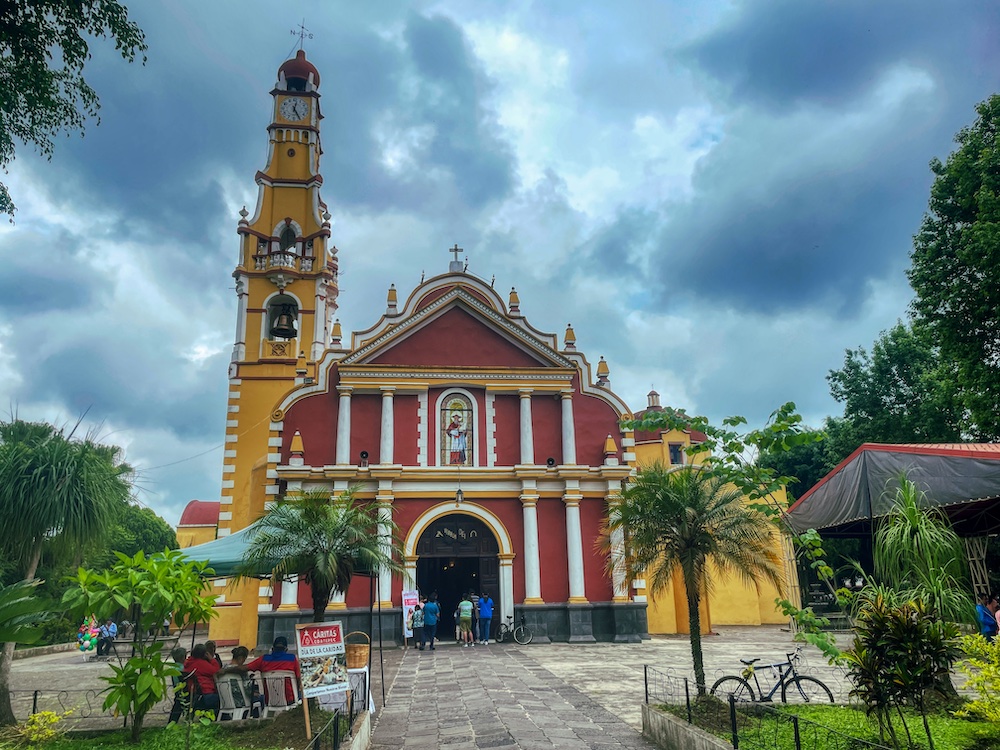
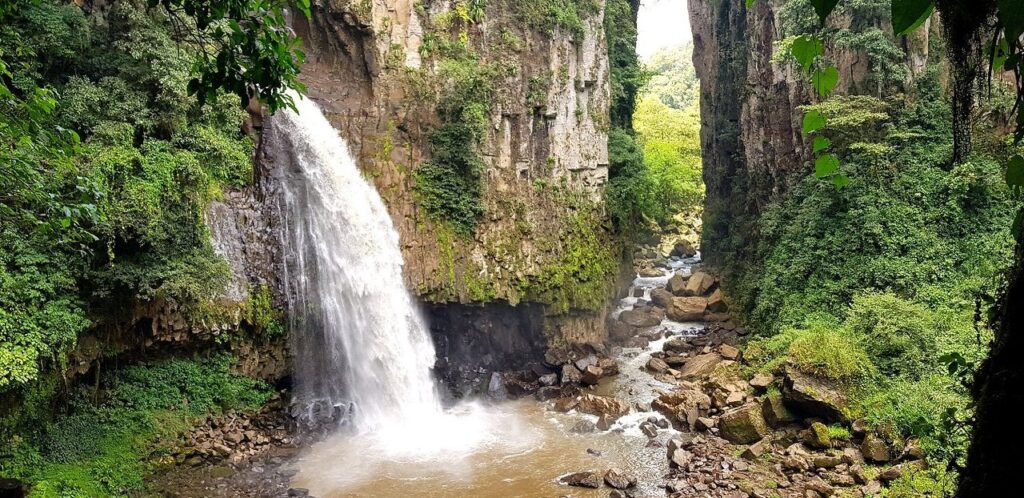
When speaking of coffee tradition, Veracruz is one of the first states that comes to mind. Here, the coffee route intertwines with colonial architecture and cloud forest landscapes that seem plucked from a fairy tale.
- Coatepec: Known as the “Coffee Capital” of Mexico, this Pueblo Mágico is the heart of the region. A must-do here is a coffee tour that takes you from the shade-grown plantations to the cup. You can visit the Coffee Museum to learn about its history or venture into iconic estates offering professional tastings and tours of their antique processing mills. Don’t forget to stop by “El Resobado”, a bakery famous for baking with wood fire for over a century—the perfect companion for your Americano.
- Xico: Just minutes from Coatepec, Xico adds a mystical touch to the route. Famous for its Texolo waterfall (surrounded by coffee farms) and its mole, this town offers a more rustic and intimate experience. Here, coffee is enjoyed under old arcades overlooking the mountains, often accompanied by local sweet bread.
This area is characterized by its high-altitude, shade-grown coffee, which gives it a balanced acidity and unmistakable citrus notes.
Puebla: The Secret of the Sierra Norte
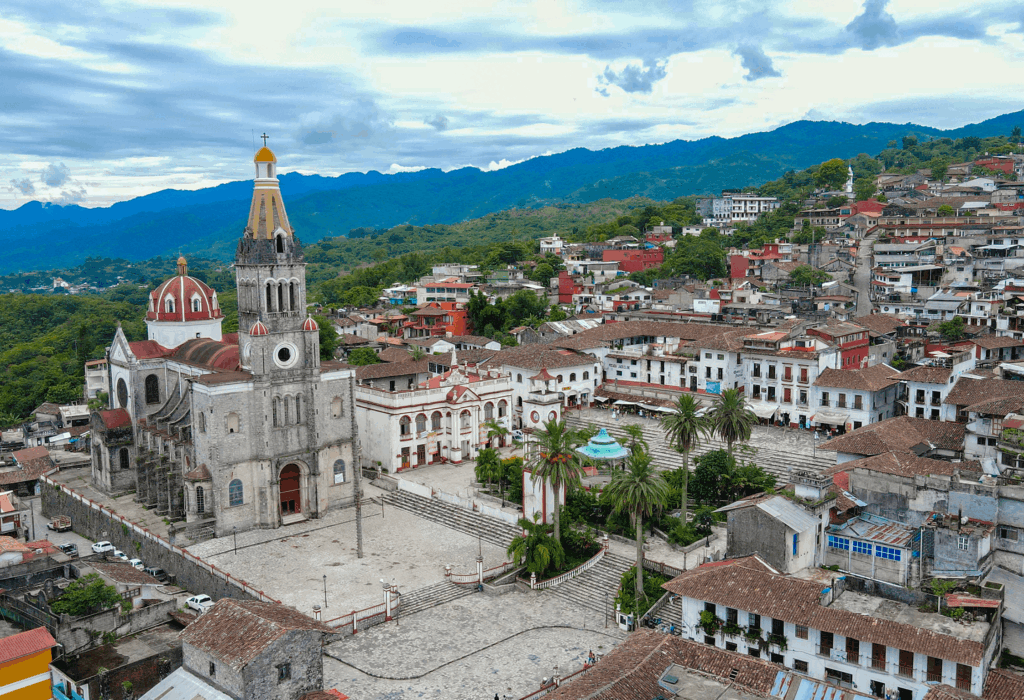
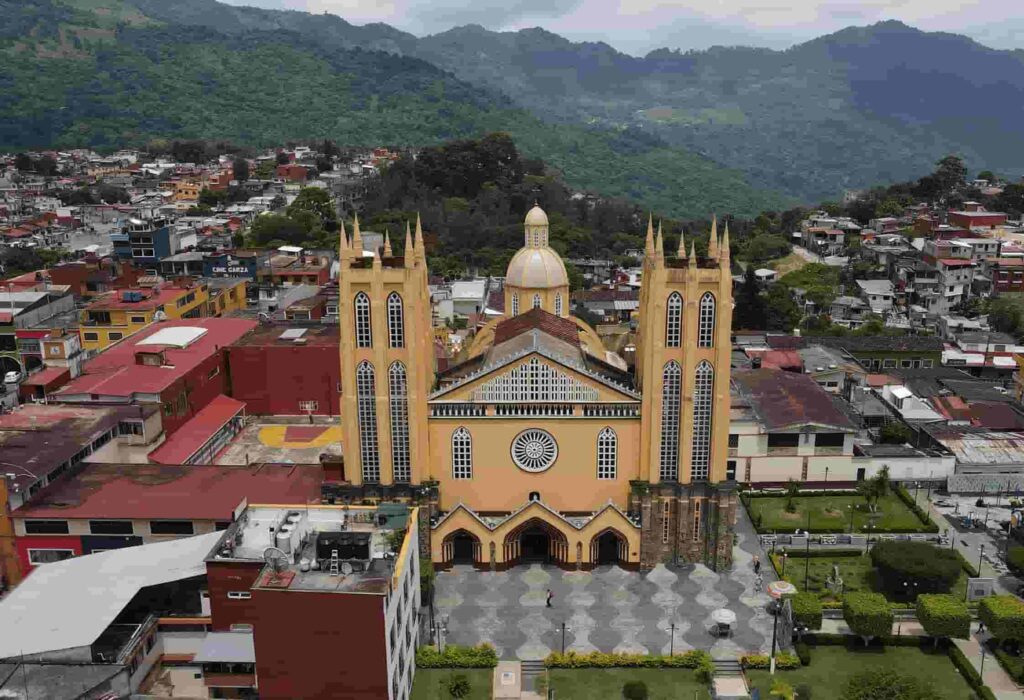
The Coffee Route in Puebla is an emerging gem that combines adventure and indigenous tradition in the spectacular Sierra Norte.
- Cuetzalan: Here, the coffee experience is deeply cultural. Many Nahua families grow organic coffee in their backyards and orchards under a system of respect for nature. During your visit, you can find tours that combine a trip to the Yohualichan archaeological site with a tasting of café de olla sweetened with local piloncillo (unrefined cane sugar).
- Xicotepec: Less known but vital to the industry, this is one of the state’s largest producers. Surrounded by mountains, the aroma of roasted coffee floods its streets in the mornings. It is the ideal place to buy specialty beans directly from producers at fair prices and enjoy the view from its monumental Celestial Cross (Cruz Celestial).
Whether amidst the mist of Veracruz, the indigenous traditions of Puebla, or the imposing jungle of Chiapas, these destinations offer much more than a drink: they offer a connection to the land.
Ready for your next getaway? Don’t forget to leave room in your suitcase, because you will surely want to bring several pounds of coffee home.