Plan a multicultural destination wedding
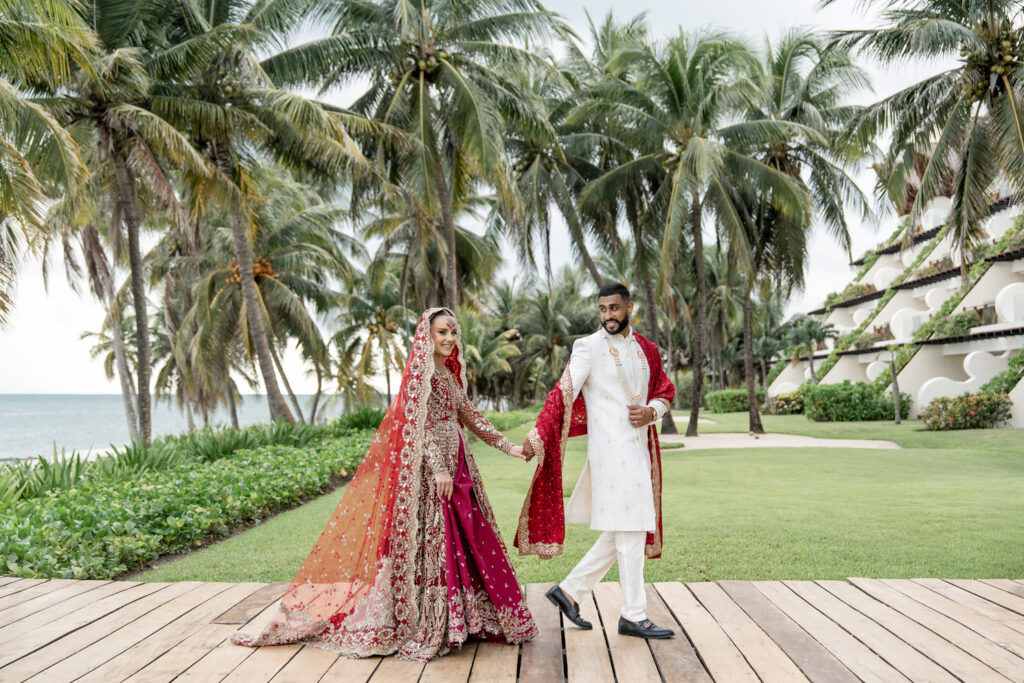
When two life stories come together, the destination where they are celebrated becomes a stage that honors every origin. A multicultural wedding is an act of integration, and its success relies on meticulous planning and clear communication—ensuring every guest feels welcomed and represented.
The ceremony in a multicultural wedding
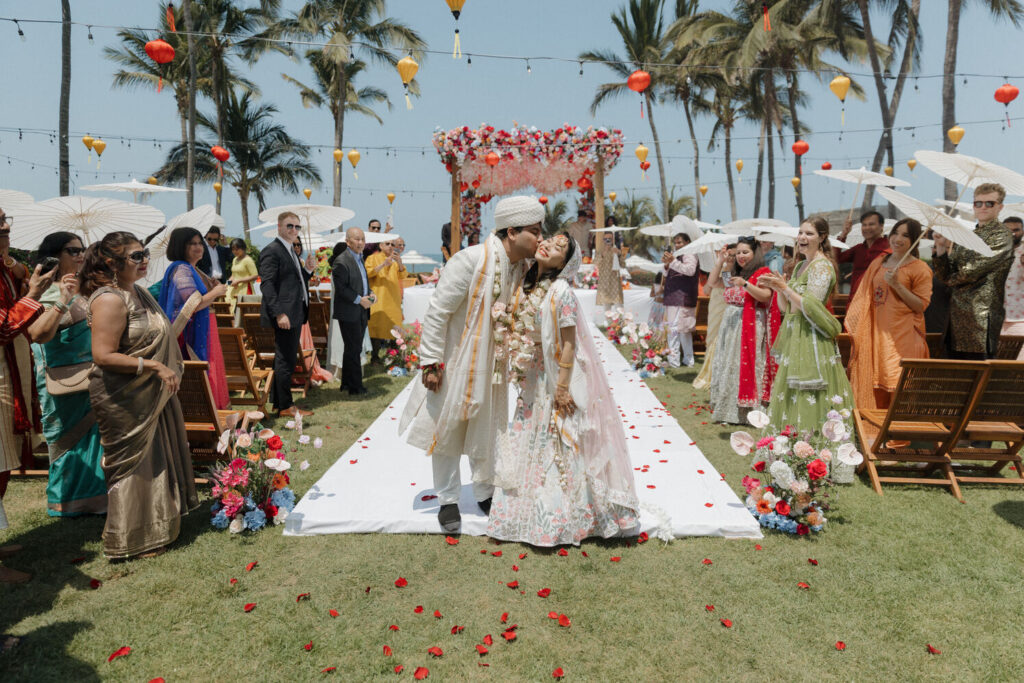
The ceremony is the heart of a multicultural wedding. To truly honor the union’s diversity, there are several thoughtful approaches to consider.
- Legal consultation and documentation: Before beginning the planning process, consult legal experts on international marriage requirements, especially if a civil ceremony will take place at the destination. This ensures the union is legally recognized in both countries.
- The fusion ceremony: One option is to design a single ceremony that weaves together meaningful elements from both cultures. This might include a Western ring exchange alongside the Hindu ritual of the seven steps, or the Mexican lazo ceremony. The officiant plays a crucial role and must have the cultural sensitivity and knowledge to explain each ritual, allowing all guests to understand and appreciate its significance.
- Consecutive ceremonies: When traditions involve specific religious requirements or extended rituals, hosting two shorter ceremonies can be an elegant solution. Choosing a destination with versatile venues allows for a natural transition between settings, maintaining the flow of the experience without disrupting guests.
Cuisine without borders
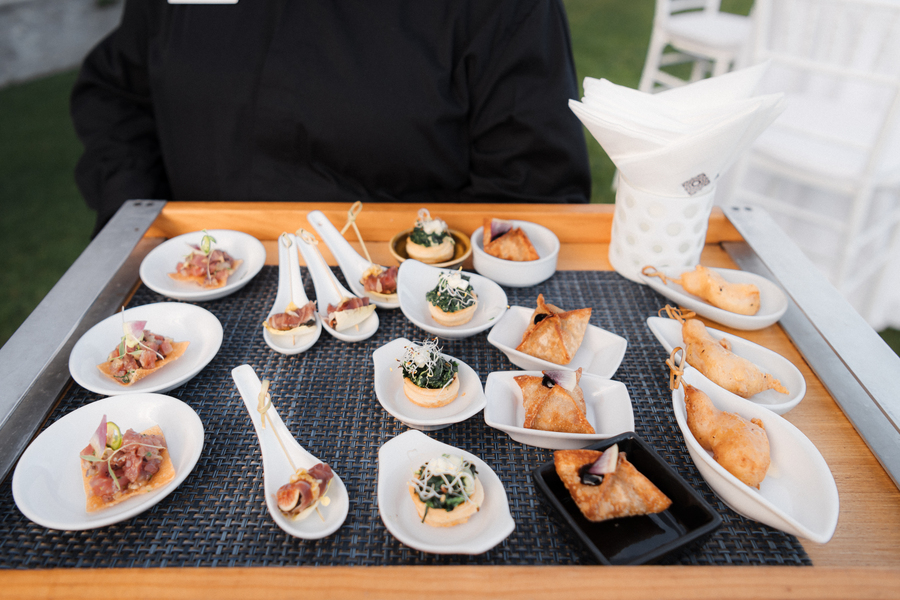
Food is the universal language of culture, and a thoughtfully curated menu becomes a narrative of the couple’s shared story. Here are some ideas to make your culinary experience memorable as well.
- A cross-cultural tasting menu: Collaborate as a couple to design a dinner that reflects both family heritages. An appetizer might showcase the bride’s culinary roots, while the main course highlights the groom’s traditions. Working closely with a chef who values authenticity—both in ingredients and technique—is key.
- Dietary and religious inclusion: In a luxury wedding context, offering refined solutions for dietary or religious restrictions is essential. Kosher, halal, or vegan options should be fully integrated into the menu, never presented as an afterthought.
- Themed cocktail-hour stations: Interactive gourmet stations featuring iconic bites from each country encourage guests to explore new flavors in a relaxed yet sophisticated setting.
- Signature drinks with cultural significance: The bar should celebrate the couple’s origins by offering representative spirits and beverages—such as artisanal sake paired with a premium tequila selection or freshly prepared pisco sours.
Music and atmosphere
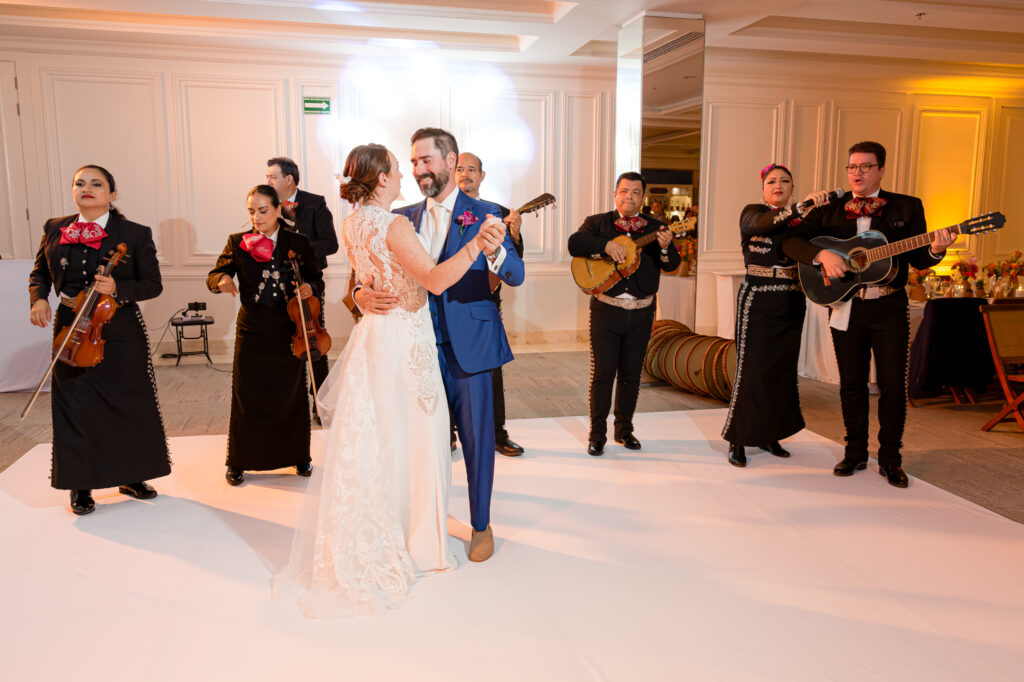
Music unites generations and cultures on the dance floor, requiring a curated approach that reflects both traditions.
- Hire a globally experienced DJ: A person with international event experience ensures smooth, organic transitions between musical styles from different regions, keeping the energy dynamic and inclusive.
- Live performances: Alternating between live traditional music during dinner and culturally inspired dance performances during the celebration adds rhythm, excitement, and authenticity to the evening.
- Subtle cultural soundscapes: Incorporating distinctive cultural instruments—such as a bagpiper or a percussion ensemble—during select moments, such as cocktail hour, adds depth and atmosphere beyond the main reception.
Communication and cultural sensitivity
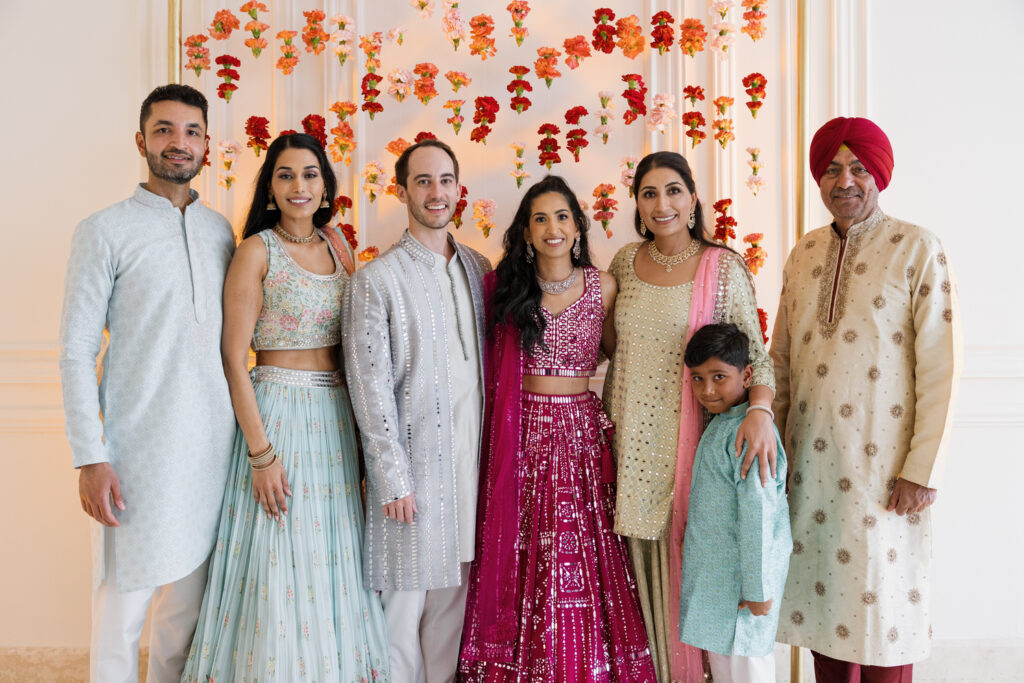
An exceptional guest experience begins with thoughtful communication. When celebrating two legacies, true hospitality lies in guiding guests with clarity and respect, ensuring their participation feels natural and meaningful. These ideas will help you achieve it!
- A traditions glossary: Include a concise, respectful explanation of key rituals on the wedding website or in a printed program, which transforms guests into informed participants, allowing them to fully appreciate the symbolism behind each moment.
- Dress code guidance: If one culture includes traditional attire—such as a sari or guayabera—communicating this clearly and in advance is essential. Offering styling tips or trusted vendor recommendations is a gracious way to encourage participation.
- Language accessibility at key moments: To ensure families and honored guests feel fully included, consider discreet translation services during speeches or the ceremony. This ensures the couple’s message—and that of their loved ones—is accessible to all.
The role of a globally minded Wedding Planner
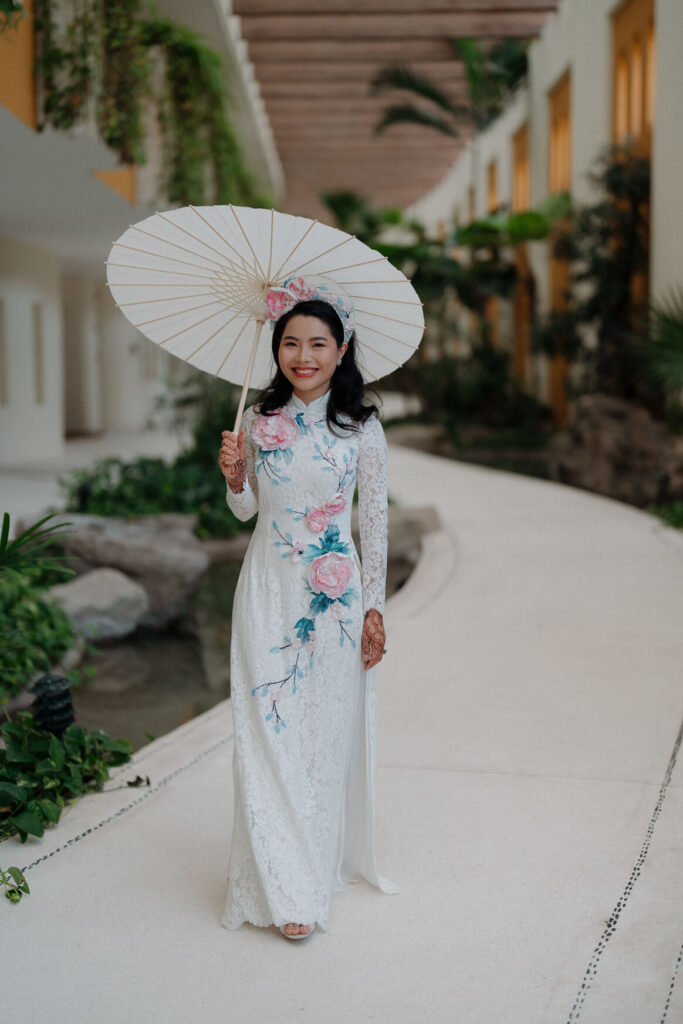
Planning a multicultural destination wedding from afar requires a team with both logistical expertise and cultural awareness. What are the ideal requirements for a Wedding Planner in this case?
- Cultural and logistical curator: Beyond efficiency, the Wedding Planner must act as a cultural steward—researching traditions, sourcing authentic vendors, and managing the import or local adaptation of essential elements such as textiles, spices, or décor.
- Proactive financial management: With multiple international vendors involved, detailed budget tracking is essential. A skilled planner anticipates currency fluctuations, customs fees, and transportation costs, ensuring transparency from the proposal stage onward.
- High-level vendor coordination: A strong local network and experience managing culturally diverse suppliers ensure service quality remains consistent, refined, and aligned with the expectations of a luxury destination wedding.
A multicultural wedding is far more than the sum of its parts—it is a statement that two legacies can come together to create a future rooted in respect and meaning. By centering the planning process on authenticity, inclusion, and precise logistics, a destination celebration becomes not just an event, but the beginning of a truly unforgettable family legacy.