2026 guide: the most impressive archaeological sites in Mexico for your next journey
Mexico is a country with a fascinating pre-Hispanic heritage—a mosaic of ancient cultures whose ruins, temples, and sacred cities stand as silent witnesses to millennia-old civilizations. For travelers seeking experiences beyond the beach and wellness, 2026 is the perfect year to immerse themselves in the country’s archaeological richness. From towering pyramids to ceremonial centers hidden deep in the jungle, this guide highlights must-visit archaeological sites to include in your itinerary.
Chichén Itzá – The heart of the Maya world
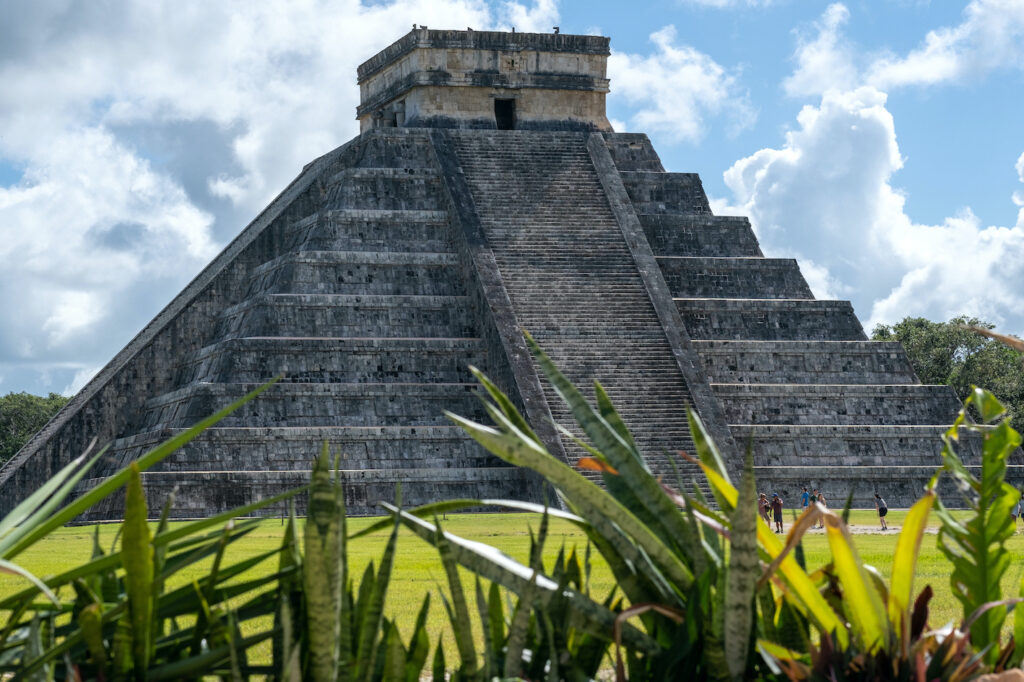
Located in Yucatán, this is arguably Mexico’s most famous archaeological site and one of the New Seven Wonders of the World. Here, the Pyramid of Kukulcán dominates the landscape with its striking geometry and astronomical symbolism.
Why visit in 2026
This sacred city was once a major political, religious, and astronomical center of the Maya civilization. The precision with which its structures align with solar cycles—and the play of light during the equinoxes—turns Chichén Itzá into an experience that goes far beyond the visual, becoming a deeply moving cultural encounter.
Traveler tip: Arrive early to avoid crowds and take advantage of the nearby town of Valladolid, a charming Pueblo Mágico that perfectly complements your visit.
Teotihuacán – Where humans became gods
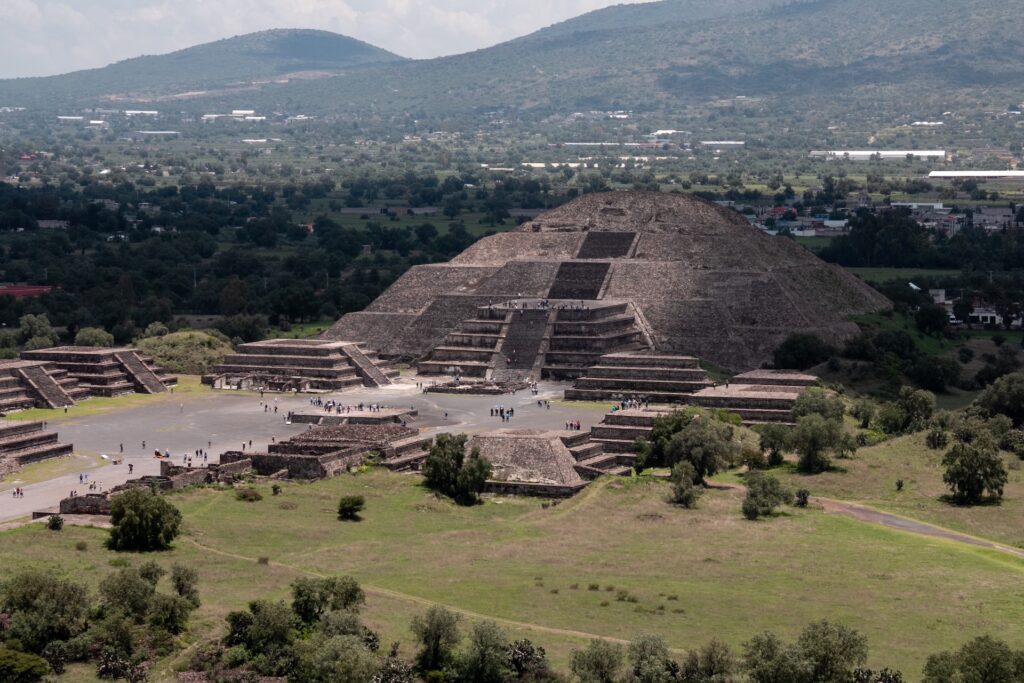
In the State of Mexico lies Teotihuacán, a vast ancient urban center known as the “City of the Gods.”
What to see:
- The Pyramid of the Sun and the Pyramid of the Moon
- The Avenue of the Dead
- Museums displaying millennia-old artifacts
An unforgettable visit in 2026
Following conservation efforts, partial access to the Pyramid of the Moon has recently been reopened, offering a rare opportunity to quite literally walk through history.
Traveler tip: Visit at sunrise or sunset to enjoy spectacular light and milder temperatures.
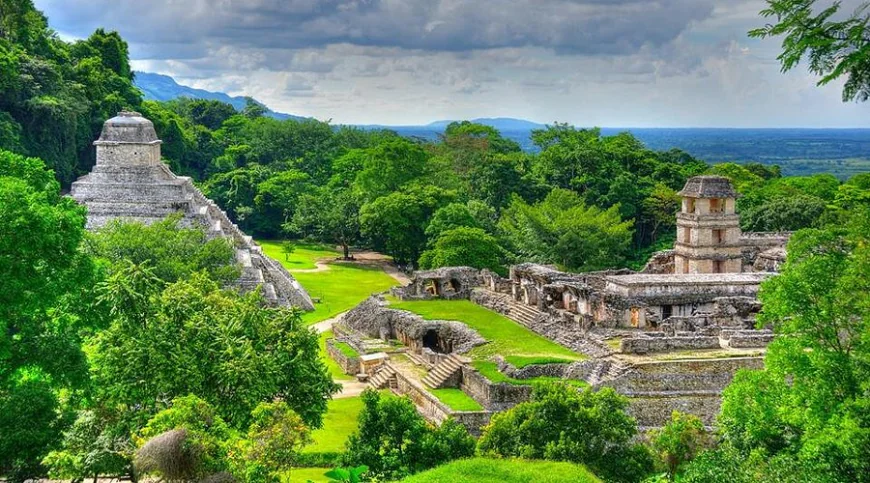
Palenque – Maya treasures in the Chiapas jungle
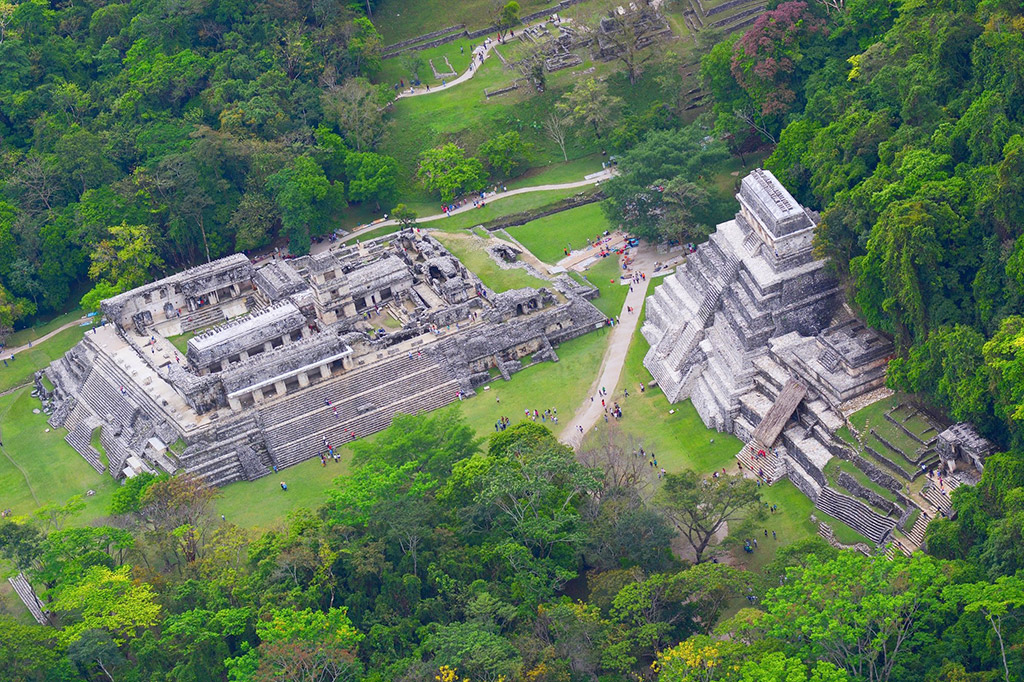
Set deep within the lush jungles of Chiapas, Palenque offers an archaeological experience infused with nature and mystery.
What makes it special:
- Highly detailed and monumental Maya architecture
- The Temple of the Inscriptions, where the tomb of King Pakal was discovered
- A harmonious blend of stone structures and the surrounding rainforest
Traveler tip: Pair your visit with nearby waterfalls such as Agua Azul or Misol-Ha for a complete culture-and-nature adventure.
Monte Albán – Ancestral visions from the heights of Oaxaca
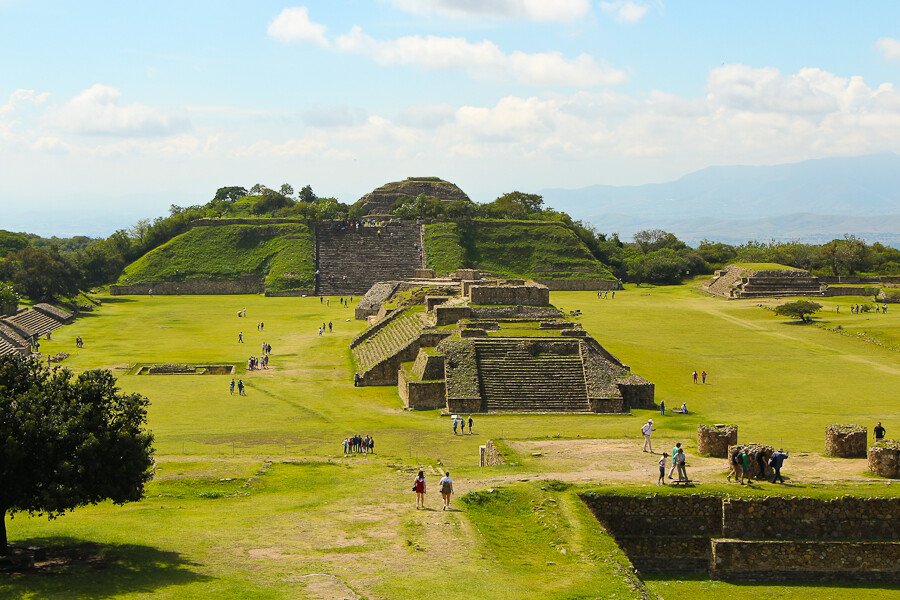
Perched atop a mountain overlooking the Valley of Oaxaca, Monte Albán was once a powerful Zapotec ceremonial center with breathtaking views.
Must-see highlights:
- The Great Plaza and ceremonial structures
- The ball court
- Tombs adorned with ancient reliefs
Why visit now:
Monte Albán is ideal for travelers who appreciate history, landscape photography, and immersive cultural experiences combined with the living heritage of Oaxaca City.
Uxmal – The elegance of the Puuc architectural style
Less crowded than Chichén Itzá, Uxmal captivates visitors with its ornate façades, intricate stone mosaics, and refined architectural details.
Highlights:
- The Pyramid of the Magician
- The Quadrangle of the Nuns
- The Governor’s Palace
Traveler tip: Don’t miss the nighttime light and sound show, which narrates the history of the site beneath a star-filled sky.
Tulum – History overlooking the Caribbean Sea
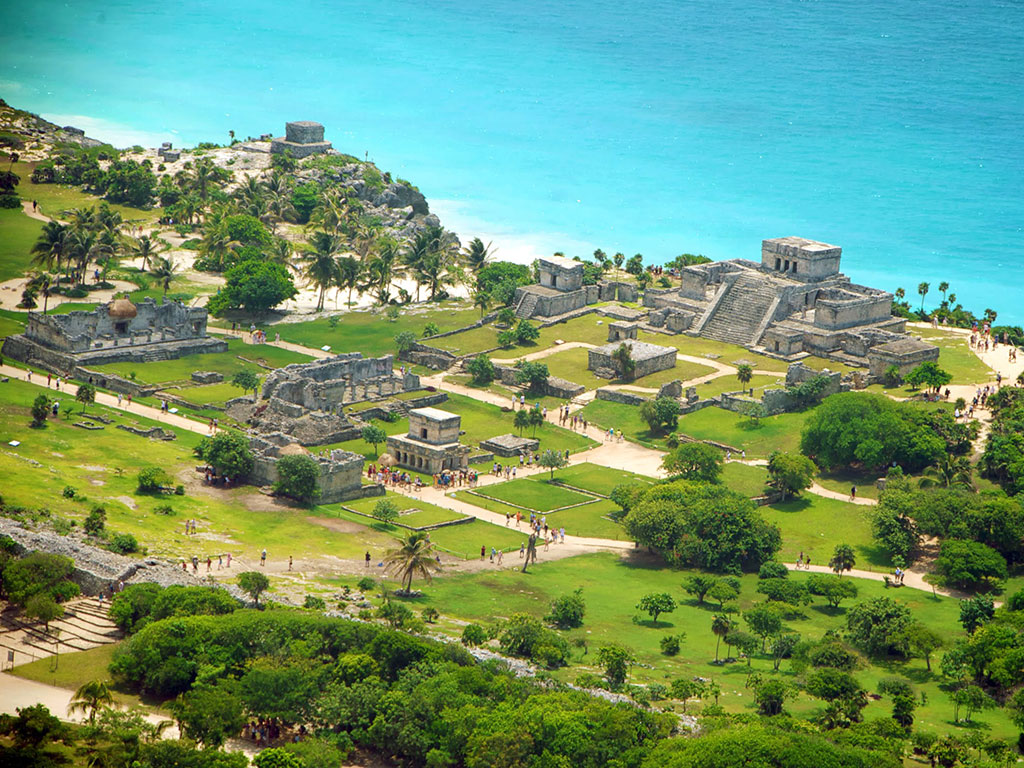
The ruins of Tulum, located in the Riviera Maya, offer a striking fusion of history and sea. It is the only walled archaeological site built along Mexico’s Caribbean coastline.
Why you’ll love it in 2026
Its clifftop location above turquoise waters creates an unforgettable backdrop—perfect for photography and for connecting with the legacy of the Maya civilization.
Traveler tip: After exploring the ruins, cool off by swimming beneath the cliffs or visiting nearby cenotes.
Cobá and the Nohoch Mul pyramid – Views from the Maya heights
The archaeological site of Cobá, in Quintana Roo, is home to Nohoch Mul, one of the tallest pyramids in the Yucatán Peninsula.
What to expect:
- Recently reopened access to climb Nohoch Mul
- An extensive network of ancient sacbés (white roads) through the jungle
- Stelae and historic structures
Why plan your visit in 2026
Climbing Nohoch Mul rewards you with sweeping views over the jungle canopy and nearby lagoons—perfect for adventure seekers and photography enthusiasts.
Lesser-known archaeological sites: Xochicalco, San Gervasio, and Muyil
If you’ve already visited the classics, your next archaeological adventure may lie in these less-crowded yet equally captivating sites:
- Xochicalco (Morelos): A UNESCO World Heritage Site known for its impressive architecture and astronomical observatory.
- San Gervasio (Cozumel): An ancient Maya center dedicated to the goddess Ix Chel, ideal to combine with beach days.
- Muyil (Quintana Roo): A serene Maya site near the Sian Ka’an Biosphere Reserve, perfect for nature lovers.
How to plan your archaeological route in 2026
Suggested routes by travel style
- Cultural & urban: Teotihuacán (near Mexico City) → Monte Albán → Mitla in Oaxaca
- Classic Maya route: Uxmal → Chichén Itzá → Cobá → Palenque
- Adventure & nature: Muyil + Sian Ka’an → Tulum → Calakmul (Campeche jungle)
Best time to visit
The months from November to April offer drier weather and pleasant temperatures, ideal for exploring archaeological sites without the intensity of tropical heat.
A journey through time in 2026
Visiting Mexico’s archaeological sites is an invitation to connect with the stories, rituals, and knowledge of the civilizations that shaped the present. In 2026, whether you choose iconic landmarks or hidden gems, Mexico offers experiences that blend grandeur, mystery, and unforgettable landscapes.
Start planning your cultural adventure today and let yourself be carried away by the magic of the ancient world!