The Ultimate 2026 World Cup Travel Itinerary: Beyond the stadium

The 2026 World Cup is far more than a global sporting event—it is a cultural milestone set to redefine how the world travels. As the first tournament hosted across three nations, it places Mexico at the heart of an international moment defined by passion, prestige, and possibility.
For the discerning traveler, the World Cup becomes an invitation to experience Mexico through a more refined lens. Between matches in iconic host cities, the journey naturally extends toward historic towns, wine regions, and coastal sanctuaries. From the north to south, this is an itinerary designed not just to attend—but to savor!
2026 World Cup host cities
1. Mexico City (CDMX): An urban masterpiece of history and cuisine
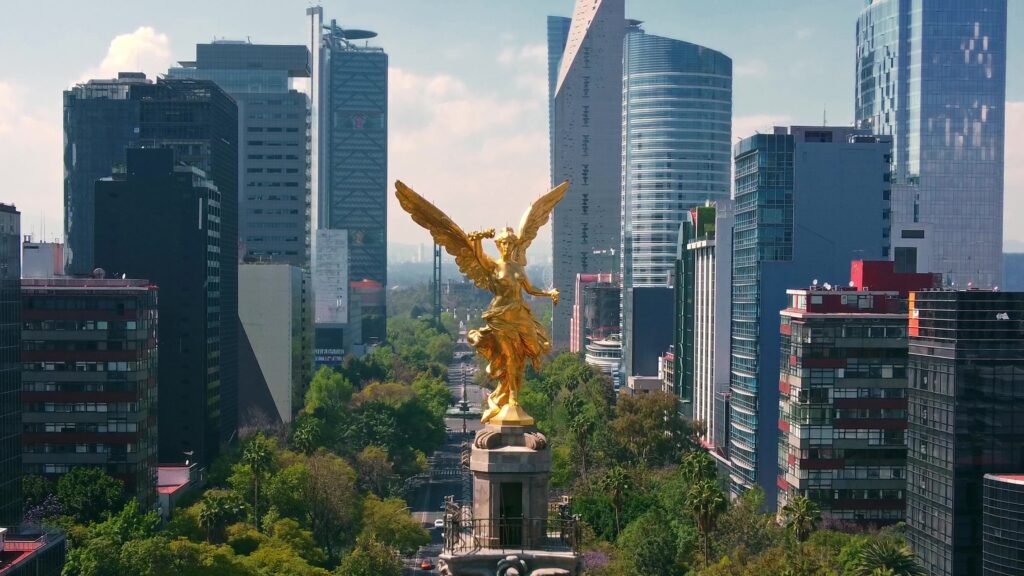
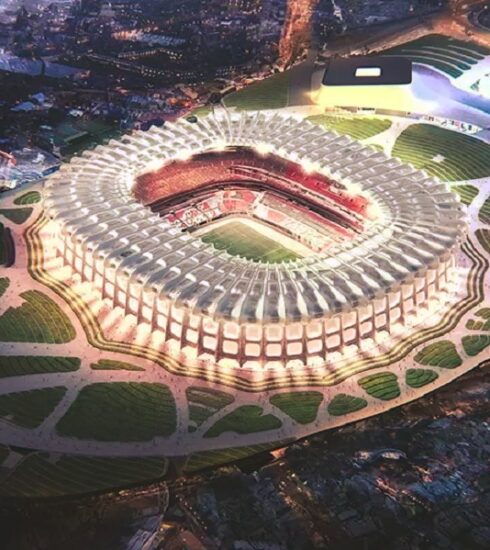
Home to the legendary Estadio Azteca, Mexico City stands as the emotional and symbolic heart of the tournament. Here, pre-Hispanic history, colonial legacy in its downtown, and contemporary luxury coexist with remarkable ease. Neighborhoods such as Polanco and Roma Norte set the tone with tree-lined avenues, Michelin-starred dining, and discreet boutiques. At the same time, private museum visits and chef-driven tasting menus elevate time between matches.
Beyond the urban core, the capital reveals some of Mexico’s most iconic cultural experiences. A private sunrise visit to Teotihuacán offers a powerful encounter with one of the world’s great ancient cities, where the scale of the pyramids and the silence of the valley create a moment of unique perspective. Closer to the city, Xochimilco offers a more intimate expression of heritage—best experienced on a ‘trajinera’ journey along its historic canals, accompanied by lively music.
During the World Cup, the city’s energy will be unmistakable. Yet, moments of calm remain easy to find within its grand hotels, where impeccable service offers a refined counterbalance to the capital’s scale.
2. Guadalajara: Tradition with modern elegance
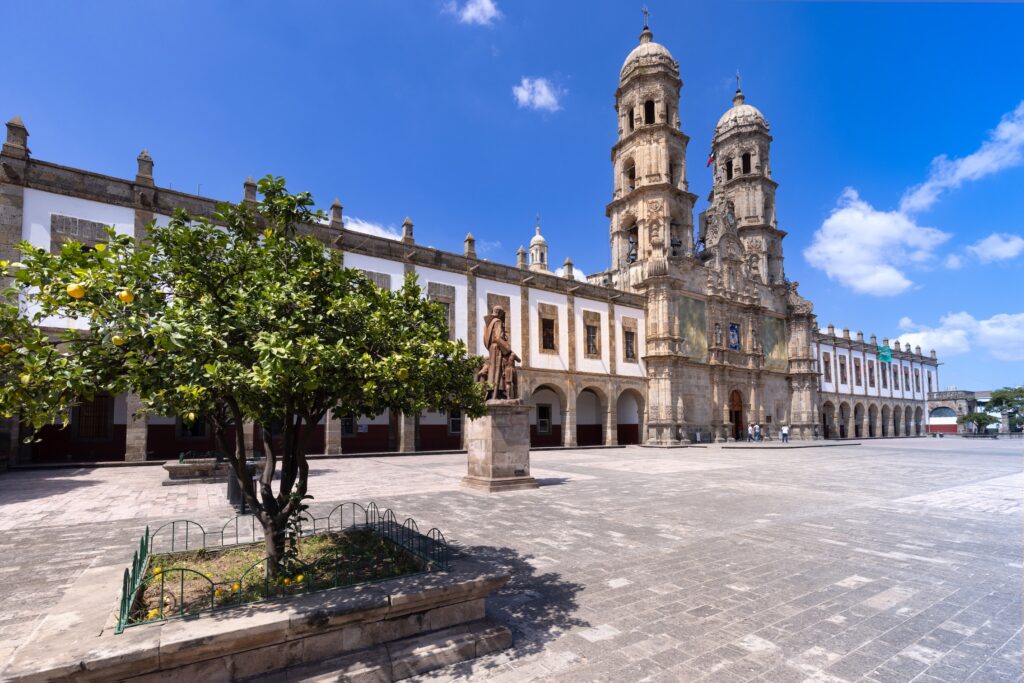
As matches unfold at Estadio Akron, Guadalajara emerges as Mexico’s cultural heart. This is the birthplace of mariachi and tequila, yet its most refined expression lives in Zapopan, where contemporary dining, luxury shopping, and sophisticated residential enclaves set a modern tone.
Cultural escapes offer a deeper connection to Jalisco’s creative heritage. A private visit to Tlaquepaque—experienced through artisan studios, design-forward galleries, and historic courtyards—reveals a quieter, more authentic side of the region, far removed from the conventional tourist path.
Guadalajara balances the exhilaration of the matches with moments of cultural immersion, where craftsmanship, music, and tradition are experienced with intention and style.
3. Monterrey: Northern sophistication framed by the Sierra Madre
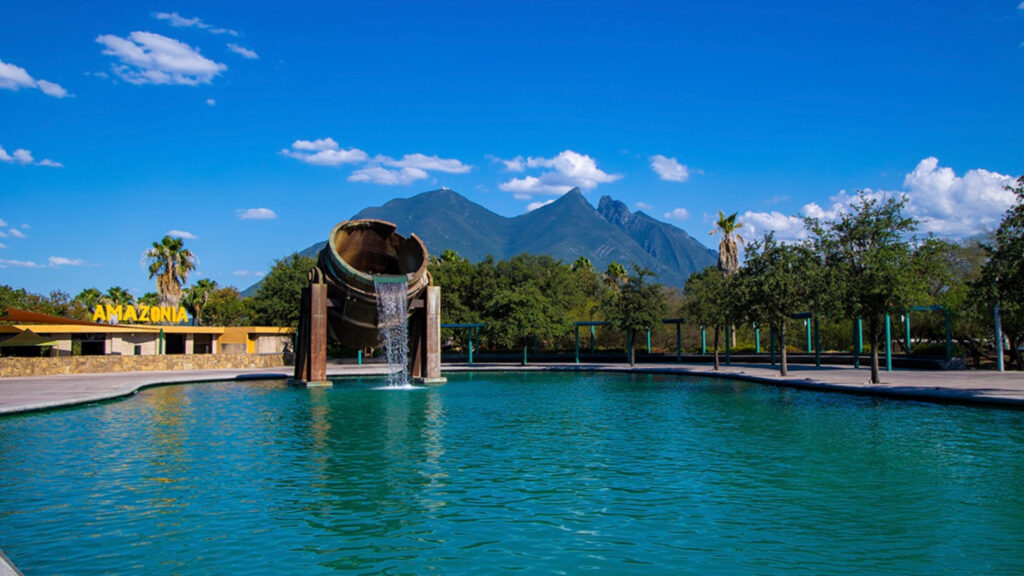
Monterrey offers a powerful contrast to Mexico’s colonial centers. Defined by ambition, design, and scale, the city rises between dramatic mountain landscapes and a modern urban core. Matches at Estadio BBVA unfold against one of the most striking backdrops in the country, with the iconic silhouette of the Cerro de la Silla framing the city’s skyline.
At the heart of Monterrey’s cultural life lies Parque Fundidora, a former steel complex transformed into a vast urban park where industrial heritage meets contemporary design. Private cycling routes, open-air art installations, and cultural venues offer a refined way to experience the city beyond its corporate reputation.
San Pedro Garza García—Latin America’s most affluent district—sets the tone for luxury, with elite shopping, modern spas, and avant-garde architecture. From guided nature experiences in the surrounding mountains to elevated dining and design-forward hotels, Monterrey delivers an experience defined by contrast and a strong sense of place.
Coastal sanctuaries to discover during your World Cup trip
While the host cities provide the action, the true essence of a luxury retreat in Mexico is found along its diverse coastlines. We recommend alternating the intensity of the matches with a restorative getaway.
1. Los Cabos: Where desert landscapes meet the deep blue
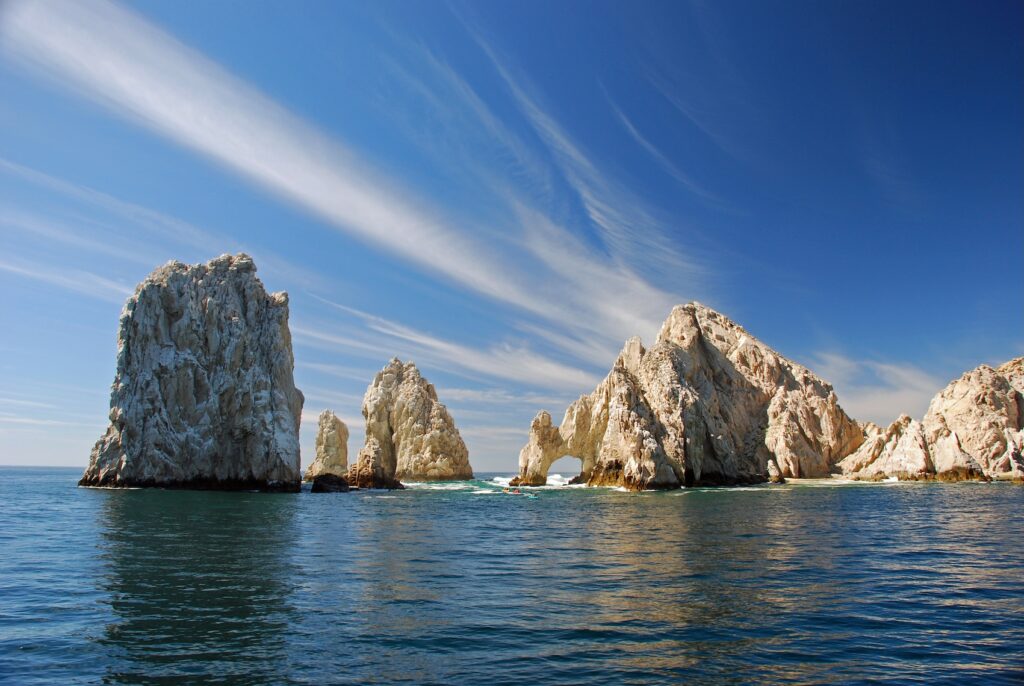
Dramatic desert cliffs descend into the Pacific and the Sea of Cortez, creating one of Mexico’s most striking coastal settings: Los Cabos.
The destination has evolved into a culinary and wellness hub, in addition to being a championship golf zone and offering private yacht charters to the iconic Arch at Land’s End. World-class dining, oceanfront spa rituals, and marine experiences—such as whale watching in season—frame days designed around space and serenity.
2. Puerto Vallarta: A walkable city shaped by the sea
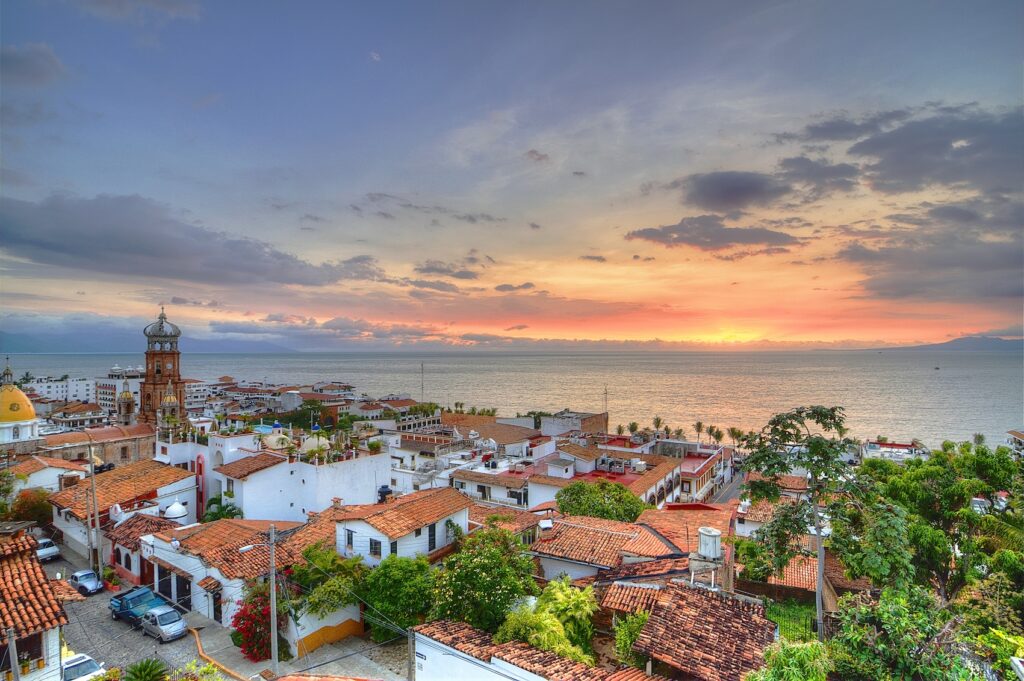
Easily accessible from Guadalajara—just a few hours by highway or under an hour by air—the coastline stretching from Puerto Vallarta into Nuevo Nayarit offers a more intimate expression of the Pacific. Here, jungle-covered mountains descend toward the calm waters of the Bay of Banderas.
The region invites exploration beyond the beach—through the famous malecon, hidden coves, private sailing experiences, and bohemian-chic towns like Sayulita and San Pancho.
Sunset beach dinners, ancestral wellness practices, and unhurried afternoons set the tone!
3. Cancún & Riviera Maya: Caribbean shores and tropical jungle
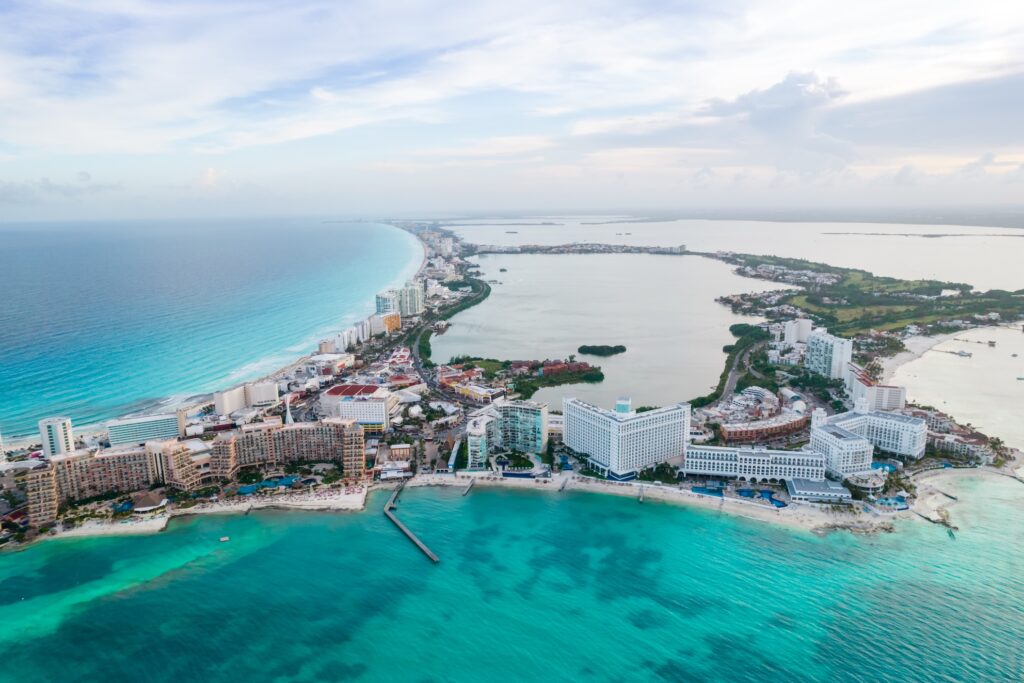
The Mexican Caribbean tells a markedly different story—one shaped by expansive white-sand beaches, luminous turquoise waters, and the enduring presence of Mayan civilization. With exceptional international connectivity, Cancún serves as a natural gateway for World Cup travelers looking to extend their journey beyond the matches.
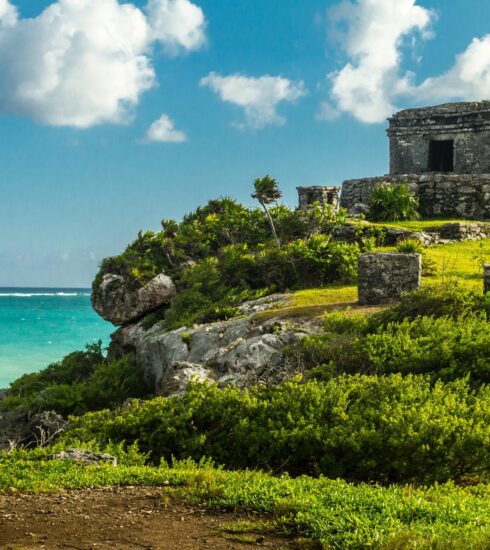
The region reveals a layered landscape of cenotes, protected jungle reserves, and archaeological sites such as Tulum. Days unfold among reef snorkeling, private catamaran excursions along the coast, and spa experiences rooted in Mayan traditions, creating a stay that balances exploration and ease.
4. Puerto Escondido: Surf, sun, and an unrushed rhythm
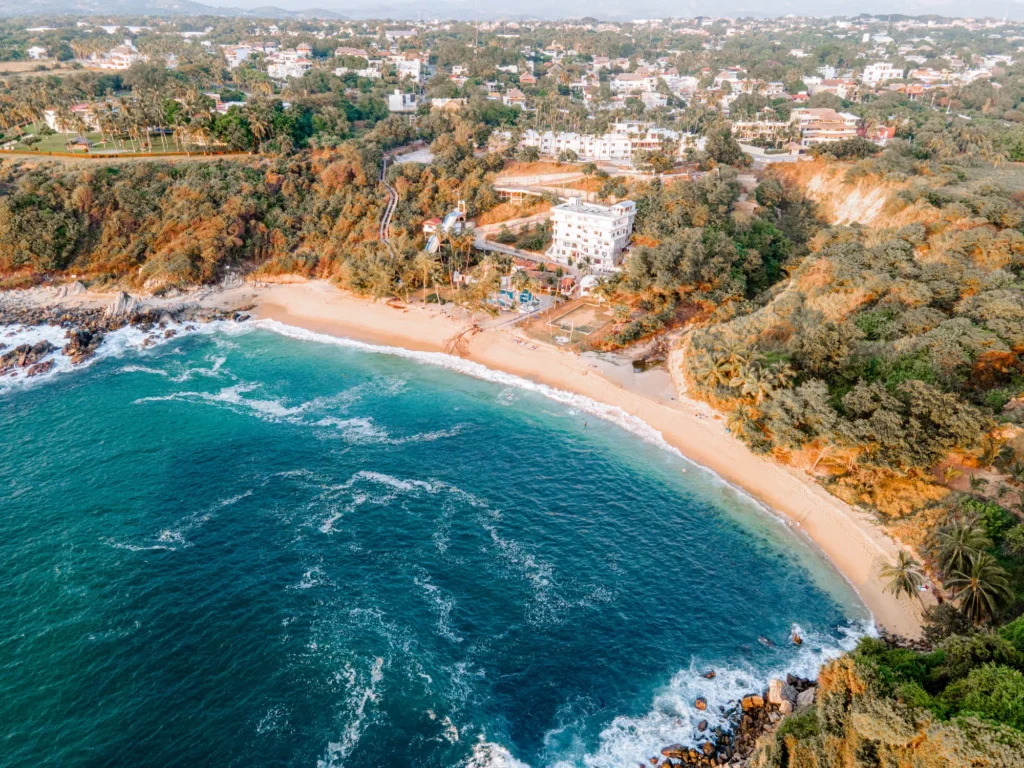
Once known primarily for its surf culture, Puerto Escondido has emerged as a compelling destination. The coastline balances raw beauty with architecture, attracting travelers drawn to design, sustainability, and privacy.
Experiences unfold quietly: early-morning swims, bioluminescent lagoon excursions, and chef-driven cuisine prepared with the day’s catch. This is a destination for travelers who value atmosphere over spectacle!
5. Tampico: A city defined by its waterfront past
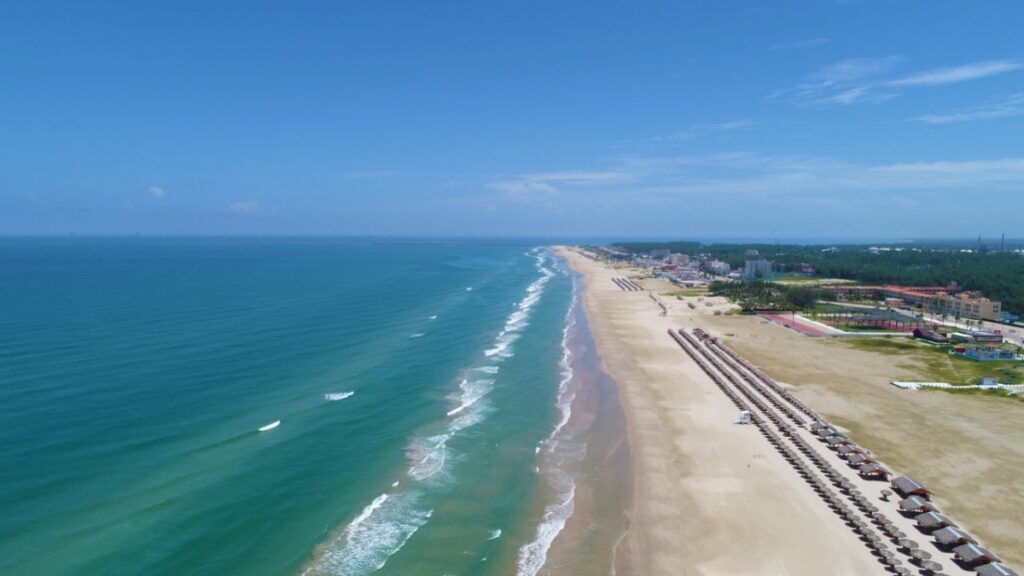
Tampico offers a distinctive experience. Once a thriving port in the early 20th century, the city preserves an architectural legacy shaped by art nouveau, art déco, and European influences, creating an atmosphere that feels both nostalgic and refined.
Strolling along the Canal de la Cortadura or the historic port area reveals a quieter rhythm, where restored façades, palm-lined promenades, and waterfront cafés set the city’s pace. Tampico’s culinary identity is equally compelling, centered around fresh Gulf seafood, from huachinango to shrimp, prepared with subtle techniques.
Its proximity to Monterrey makes Tampico an ideal coastal interlude during a World Cup itinerary. Nearby Playa Miramar offers expansive shores and calm waters.
6. Veracruz: Music, trade, and the Gulf converge
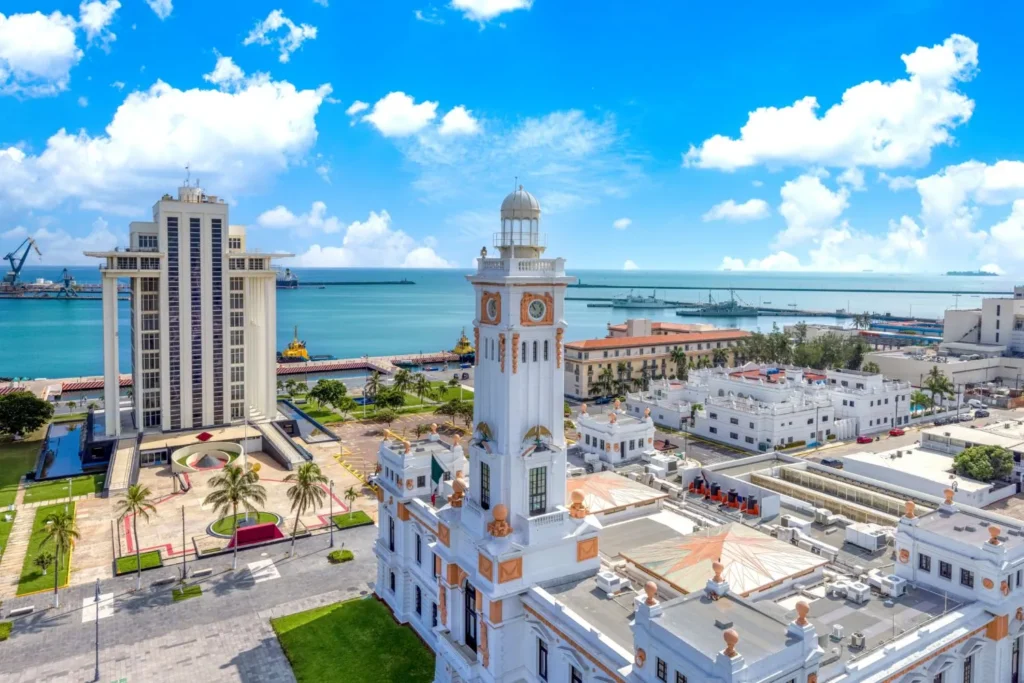
Along the Gulf of Mexico, Veracruz and the lesser-known Costa Esmeralda offer a more understated escape. Here, colonial history, Afro-Caribbean rhythms, and seafood-driven cuisine shape a destination that feels authentic.
Historic port architecture, oceanfront promenades, and nearby archaeological sites such as El Tajín add cultural depth, while the calm, emerald-hued waters of Costa Esmeralda invite peaceful seaside retreats.
The inland destinations that are worth the detour
1. Valle de Guadalupe: Wine, land, and cuisine

Nestled between the Pacific Ocean and rolling vineyard-covered hills, Valle de Guadalupe has become one of the most exciting wine regions in the Americas. Often compared to Napa and the Mediterranean, the valley is defined by its restrained luxury—where architecture, gastronomy, and nature exist in quiet harmony.
Beyond tastings of bold Nebbiolos and mineral-driven Chardonnays, the experience unfolds through chef-led dinners, where farm-to-table philosophy is elevated to an art form. Architectural landmarks invite slow afternoons among the vines, while Ensenada’s coastal setting adds fresh seafood and ocean views to the journey.
Luxury here is understated: design-forward eco-suites, private vineyard picnics, and sunset tastings that celebrate space, silence, and craftsmanship.
2. Chihuahua: The gateway to the Copper Canyon
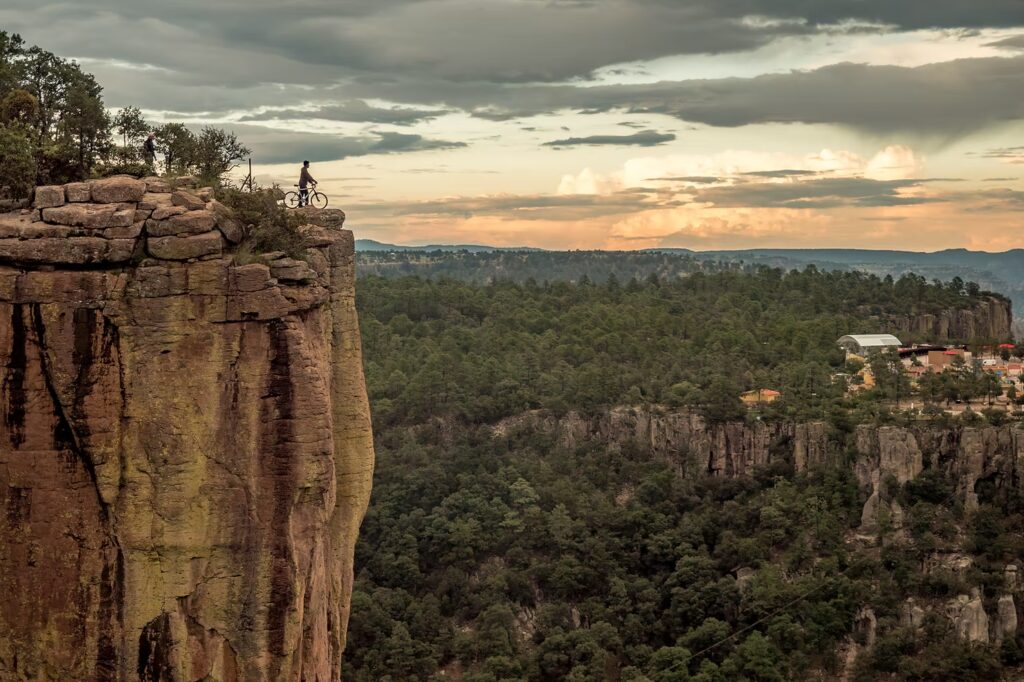
This city offers one of Mexico’s most expansive and dramatic landscapes, making it an exceptional extension for travelers moving through the north of the country. The town itself combines frontier history with a refined culinary scene, known for premium beef cuts and contemporary interpretations of northern Mexican cuisine.
From here begins one of the world’s most extraordinary rail journeys: the Chepe Express. This luxury train travels through the Copper Canyon system—larger and deeper than the Grand Canyon—revealing vast forests, plunging cliffs, and remote indigenous communities along the route. Panoramic windows, elevated dining, and curated excursions transform the journey into a moving observation lounge through one of Mexico’s most awe-inspiring regions.
Beyond the train, boutique lodges and high-end adventure experiences offer comfort without compromising the sense of scale and solitude. For World Cup travelers seeking a moment of grandeur and perspective between match days, Chihuahua delivers a rare blend of refinement and natural beauty.
3. Tequila: Blue agave fields and a historic town
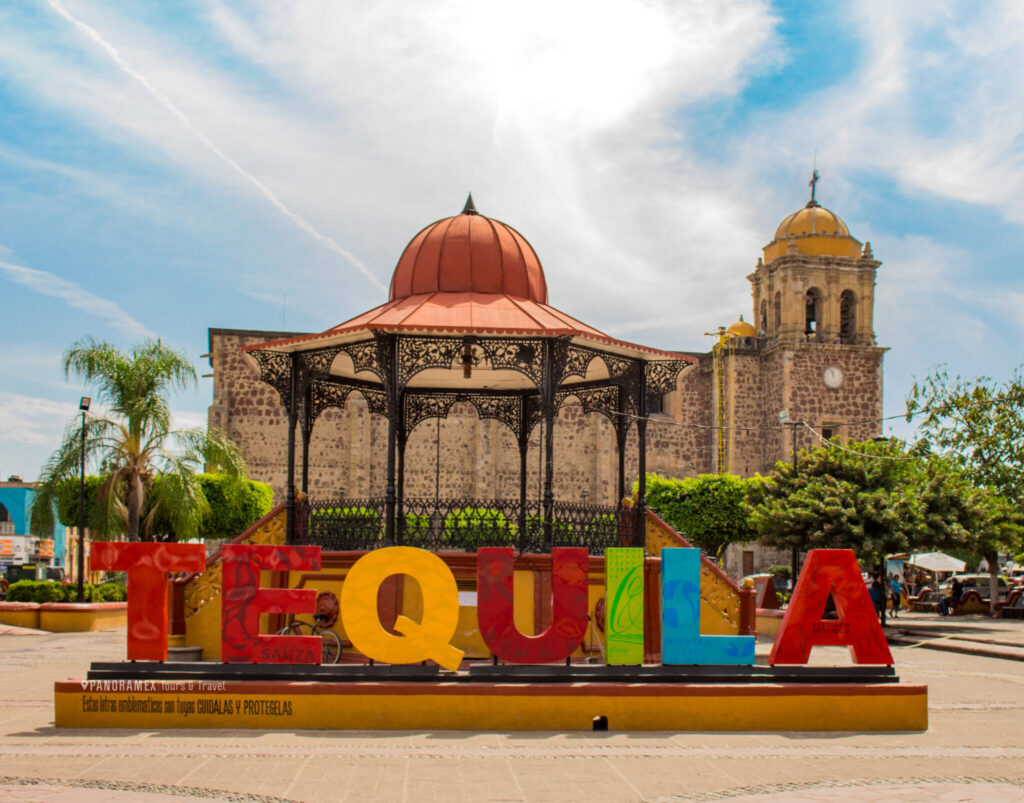
Located just outside Guadalajara, the town of Tequila offers one of Mexico’s most immersive cultural landscapes. Surrounded by blue agave fields—an UNESCO-listed World Heritage Site—the region tells Mexico’s story through its most iconic spirit.
Private distillery visits reveal centuries-old production methods, while premium tastings explore aged expressions rarely available elsewhere. Experiences such as the Jose Cuervo Express, which departs from Guadalajara, or bespoke estate tours transform tequila from a drink into a narrative of land and time.
4. Mérida: Where Mayan legacy endures
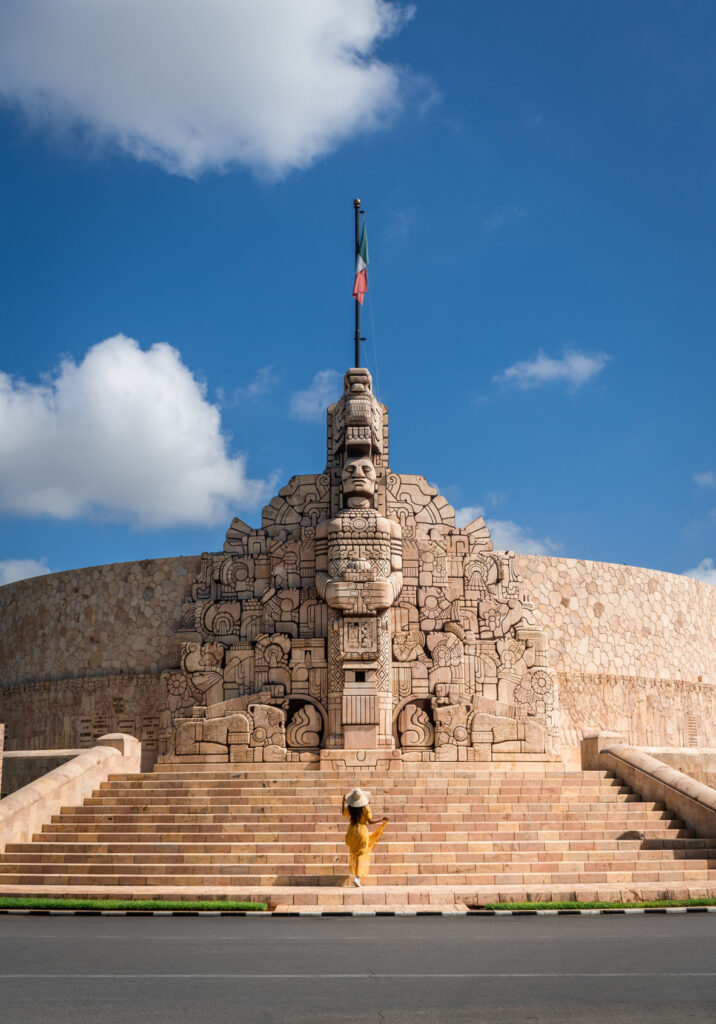
The city is one of Mexico’s most elegant and livable, known for its safety, refined pace, and architectural grandeur along Paseo de Montejo. Its cultural calendar, museums, and culinary scene reflect a sophisticated blend of Mayan heritage and European influence.
From Mérida, travelers access some of the most important archaeological and natural sites in the country. A private, early-morning, or after-hours visit to Chichén Itzá transforms the experience into a profoundly personal encounter with history. Nearby, cenotes offer moments of quiet reflection and connection to the land.
Stays in restored haciendas and contemporary luxury properties complete the experience, where time slows, and history feels tangible.
5. Oaxaca: The soul of art and gastronomy
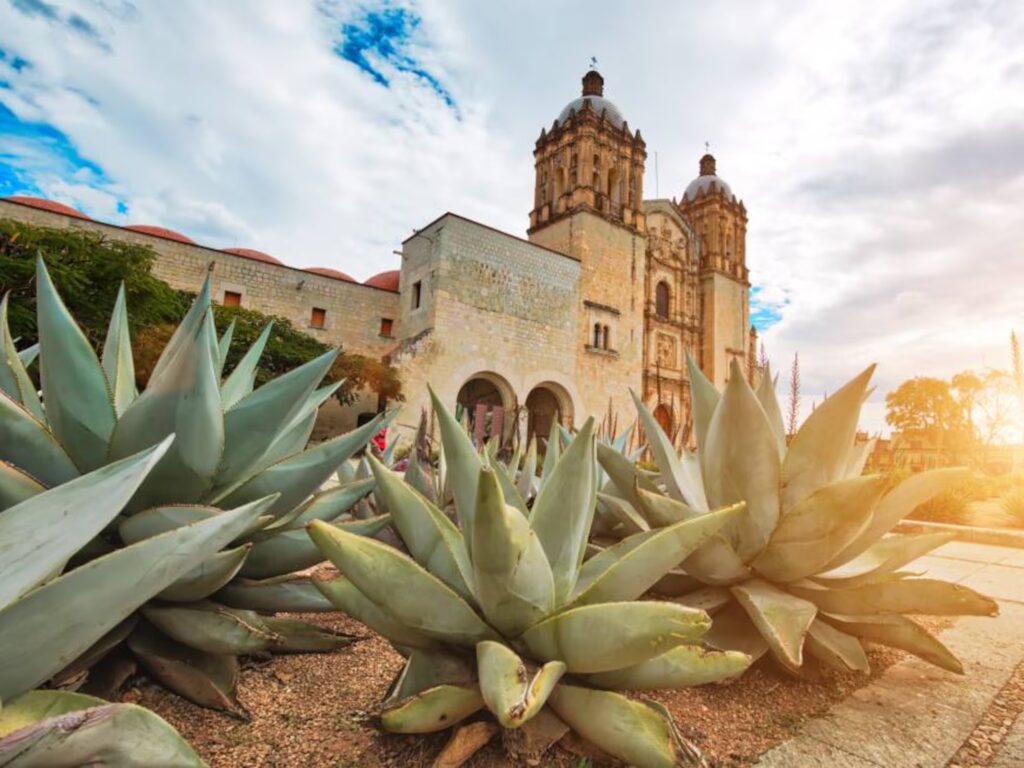
It offers intellectually rich travel experiences. Known globally for its gastronomy, the city is equally defined by its indigenous cultures, artistic traditions, and architectural beauty.
Visits to Monte Albán reveal sweeping views of the valleys below, while private mezcal tastings at ancestral palenques introduce travelers to small-batch spirits rooted in centuries-old practices. The city’s markets, textile studios, and contemporary galleries create a dialogue between past and present.
Boutique hotels—often housed in restored convents or historic mansions—provide intimate, design-forward sanctuaries where service is personal and deeply informed by local culture.
6. Querétaro: Slow roads and colonial atmosphere
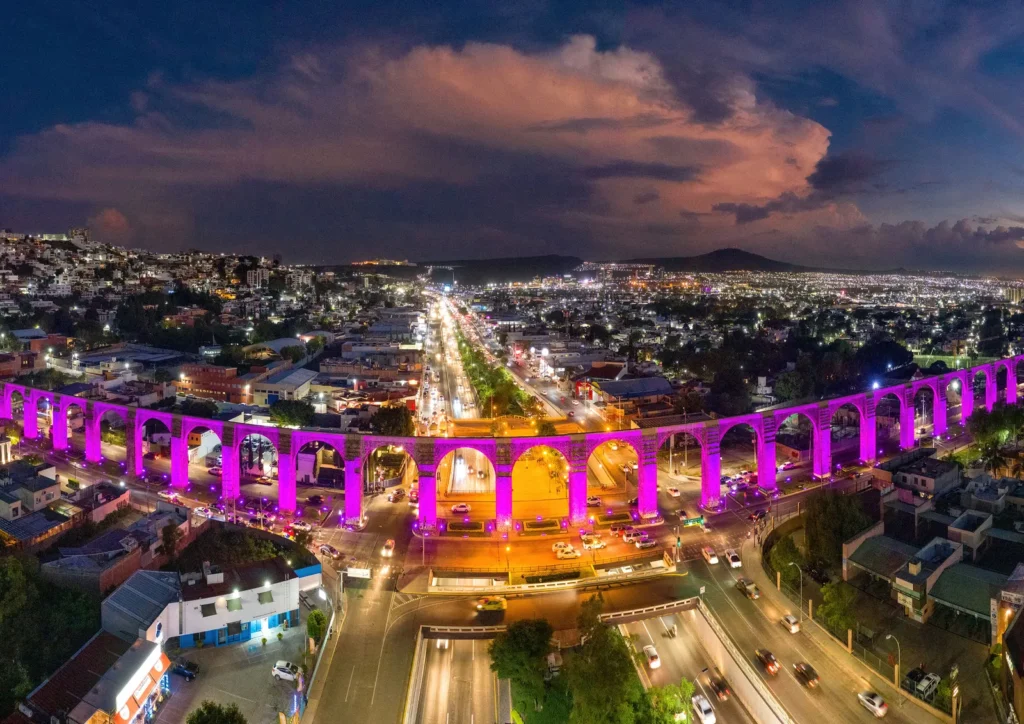
Just a short journey from Mexico City, Querétaro offers an escape defined by beautifully preserved colonial architecture and a flourishing wine region. The city’s historic center invites leisurely walks through stone plazas, baroque churches, and elegant cafés.
Beyond the city, boutique vineyards in the surrounding countryside specialize in sparkling wines and artisanal cheeses. Private tastings, vineyard lunches, and stays in restored haciendas create an atmosphere of understated sophistication—ideal for unwinding after the intensity of match days.
7. San Miguel de Allende: Shaped by art and architecture
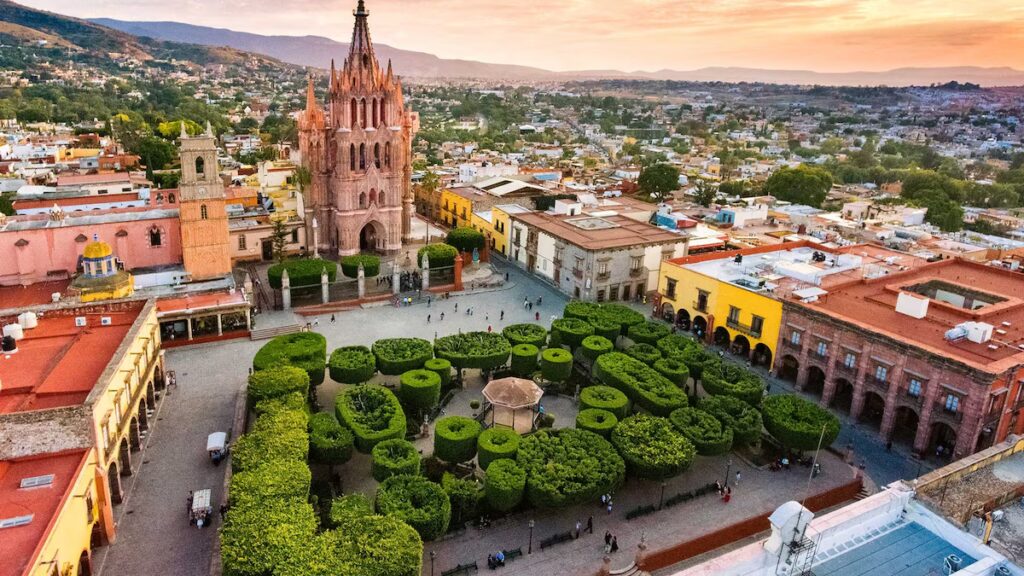
A UNESCO World Heritage site, the city blends colonial elegance with a cosmopolitan creative scene that attracts artists, designers, and travelers worldwide.
Days here unfold through private gallery visits, artisan workshops, and long lunches in historic courtyards. Rooftop terraces offer panoramic views of the city’s iconic pink cathedral, especially at sunset, when the entire skyline glows.
Wellness is equally central to the experience, with holistic spas and nearby hot springs.
The 2026 World Cup in Mexico is an opportunity to experience the country through its cities and landscapes—each destination offering a distinct way to engage with culture, history, and place. Mexico allows travelers to move effortlessly between intensity and pause, celebration and reflection.
Whether planned before favorite matches, experienced between games, or enjoyed after the final whistle, the journey invites you to discover Mexico on your own terms.