Mexico’s urban and structural evolution for the 2026 World Cup
The heart of the 2026 project lies in the revitalization of three iconic cathedrals of the sport. While the tournament is shared across North America, Mexico’s contribution is rooted in history and soul, supported by a multi-million dollar investment strategy designed to elevate the spectator experience to unprecedented levels of exclusivity.
Estadio Banorte: The modernization of a global icon
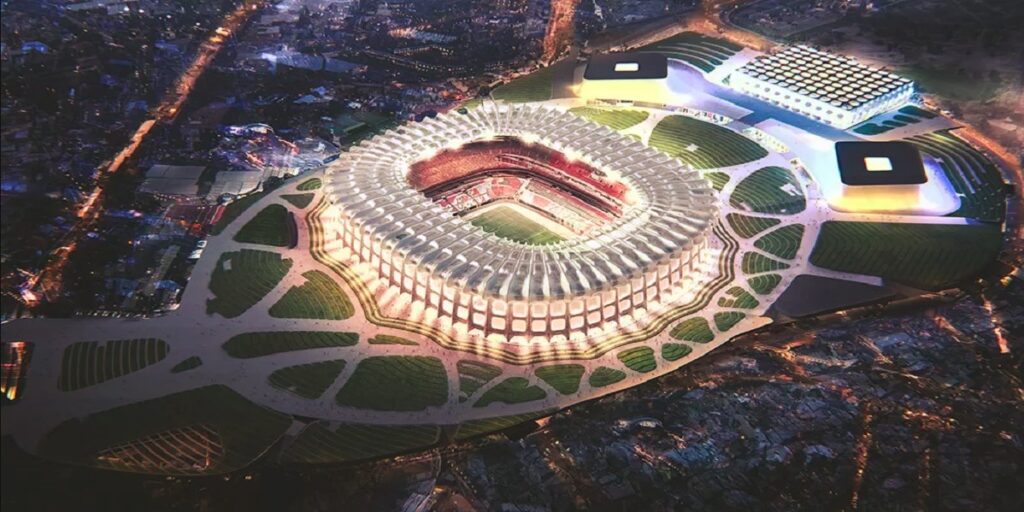
The Estadio Banorte, or Estadio Azteca in Mexico City—the only stadium to host three World Cup opening matches—is undergoing its most significant transformation since 1966. The “Colossus of Santa Ursula” is being refined to meet ultra-premium 21st-century standards, ensuring every corner exudes sophistication.
- Elevated hospitality: The interior remodeling includes a complete overhaul of luxury boxes and the addition of over 7,000 square meters of new social spaces, which will house high-end restaurants and private lounges.
- The Polanco connection: For those attending matches in the capital, the elite district of Polanco remains the residential gold standard. However, given the global scale of the event, discerning travelers should secure bookings at least 12 to 14 months in advance to guarantee placement in the city’s most coveted boutique hotels and suites.
Monterrey and Guadalajara: Avant-garde venues
In the north, Estadio Monterrey (BBVA) is enhancing its futuristic profile with improved ventilation systems and pitch-side hospitality zones. Meanwhile, Estadio Guadalajara (Akron) is focusing on sustainable accessibility, with a $50 million USD investment dedicated to improving the arteries connecting the lush surrounding valley to the stadium gates, enabling an elegant, efficient flow for VIP attendees.
Global gateways: Airport expansions and seamless arrivals
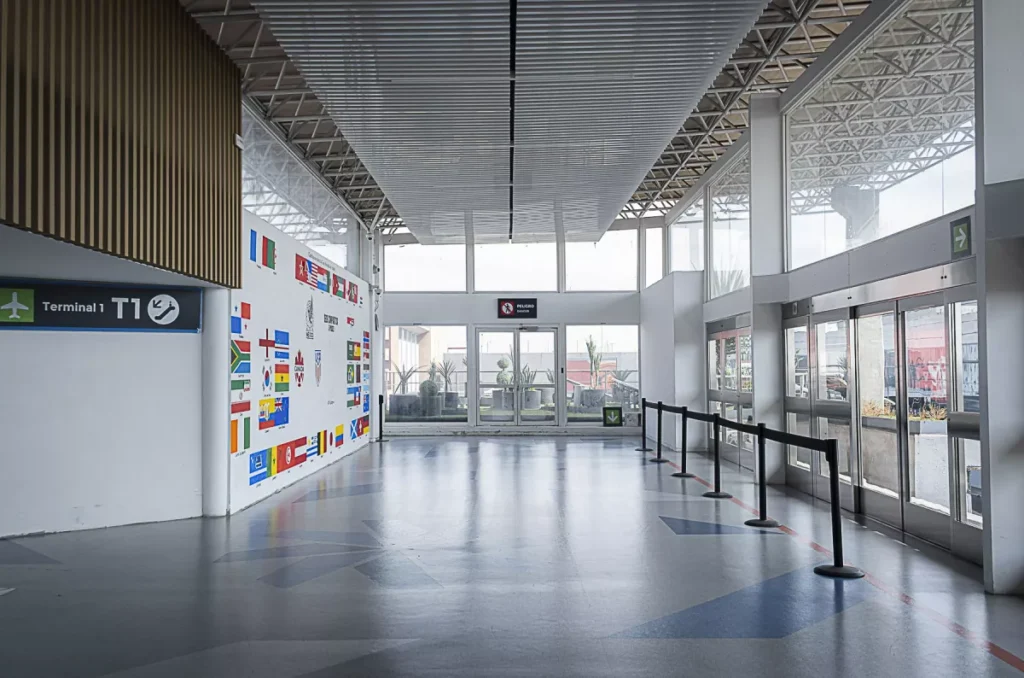
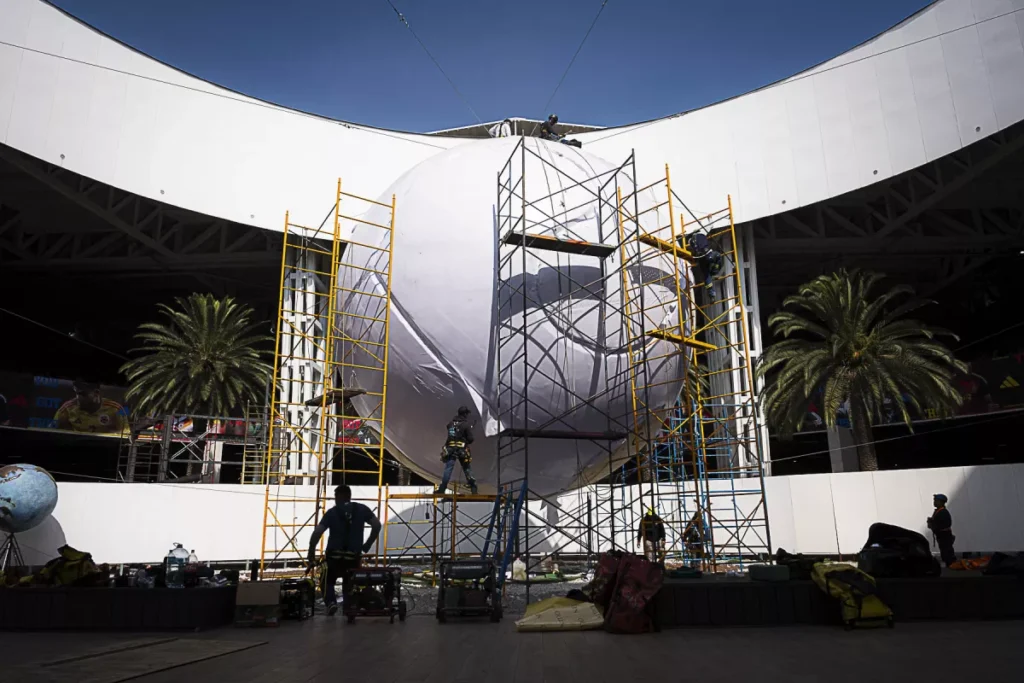
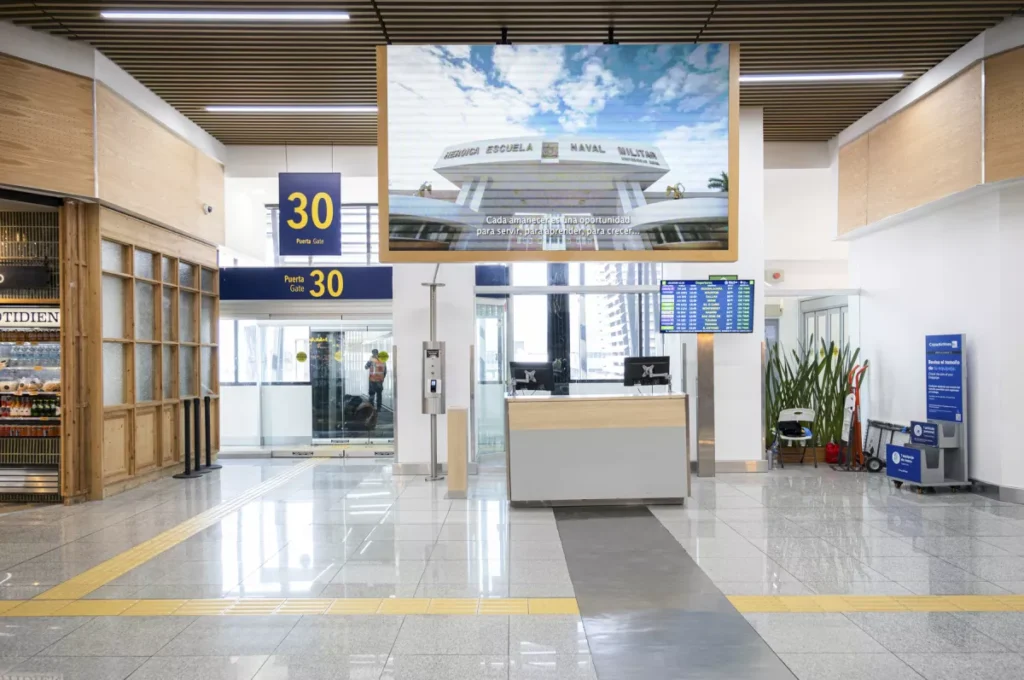
Mexico is reimagining its entry points to ensure that the luxury experience begins the moment your wheels touch the tarmac. Significant capital is being invested in the nation’s aviation infrastructure to handle the surge in private and commercial traffic.
- Mexico City and the new AIFA: While Benito Juárez International Airport (AICM) is undergoing aesthetic and structural upgrades, Felipe Ángeles International Airport (AIFA) is expanding its dedicated private aviation terminal (FBO) to accommodate the influx of corporate jets.
- The Caribbean and Pacific hubs: Cancun International Airport is undergoing a terminal 4 expansion and a sophisticated road integration project, while Los Cabos and Puerto Vallarta are modernizing their customs and immigration halls with biometric technology to ensure that arrivals are as swift as they are secure.
The basecamps of 2026 at coastal destinations
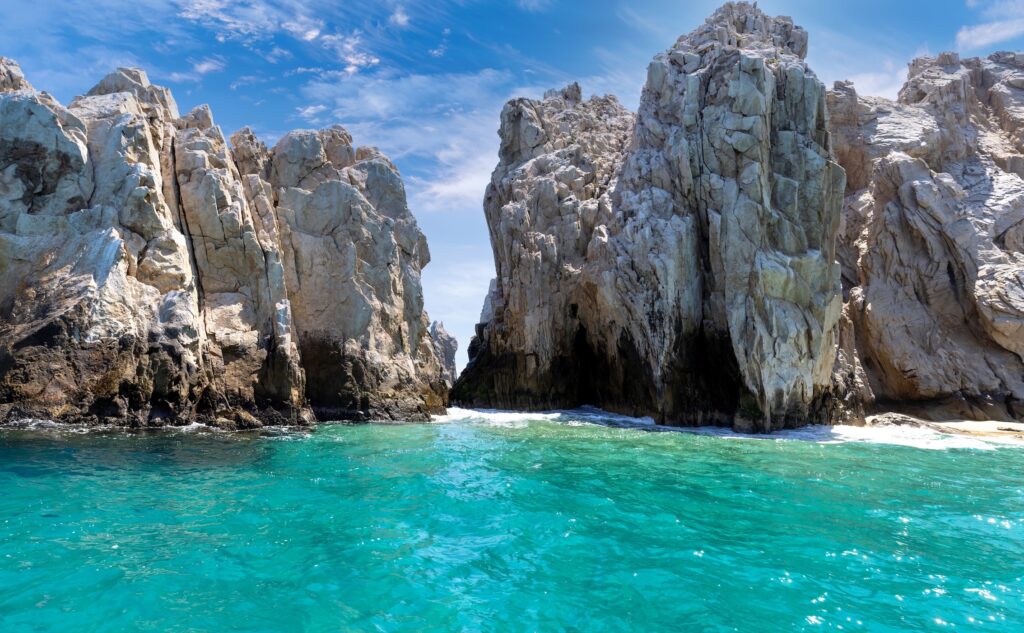
For the high-profile traveler, the 2026 experience extends far beyond the 90 minutes on the pitch. Mexico’s premier beach destinations—Puerto Vallarta, Los Cabos, and the Riviera Maya—are positioning themselves as the “Basecamps of Choice” for those seeking to follow the tournament with uncompromising comfort.
Los Cabos
While not a host city, Los Cabos is anticipating a record influx of private aviation and luxury yachts. Navigating the tournament’s geography requires a tailored transit strategy. While domestic flights remain the most efficient route for long distances—such as the leap from the high-altitude bustle of Mexico City to the serene shores of Los Cabos—the coastal regions offer a more leisurely pace for those with time to spare.
Riviera Maya
The Mexican Caribbean is set to host an official Fan Festival in Cancun, Playa del Carmen, and Chetumal. With the full operation of the Tren Maya, guests staying in secluded private villas in the Riviera Maya will be able to travel to the festival and cultural sites with a level of ease previously unimaginable. As with the capital, the Riviera Maya’s premier suites require a booking lead time of over a year to ensure your preferred sanctuary is available during the tournament peak.
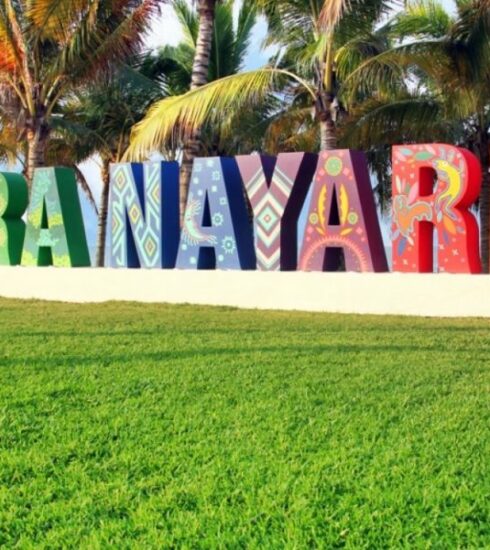
Puerto Vallarta and Riviera Nayarit
The region is consolidating itself as the logistical hub for fans attending matches in Guadalajara. Significant investments in new highway infrastructure between Guadalajara and Puerto Vallarta have transformed this route; it now makes private chauffeur services an excellent, scenic option for those traversing the Pacific coast, blending safety with the breathtaking vistas of the Sierra Madre.
Entertainment and urban renewal: The Fan Zones
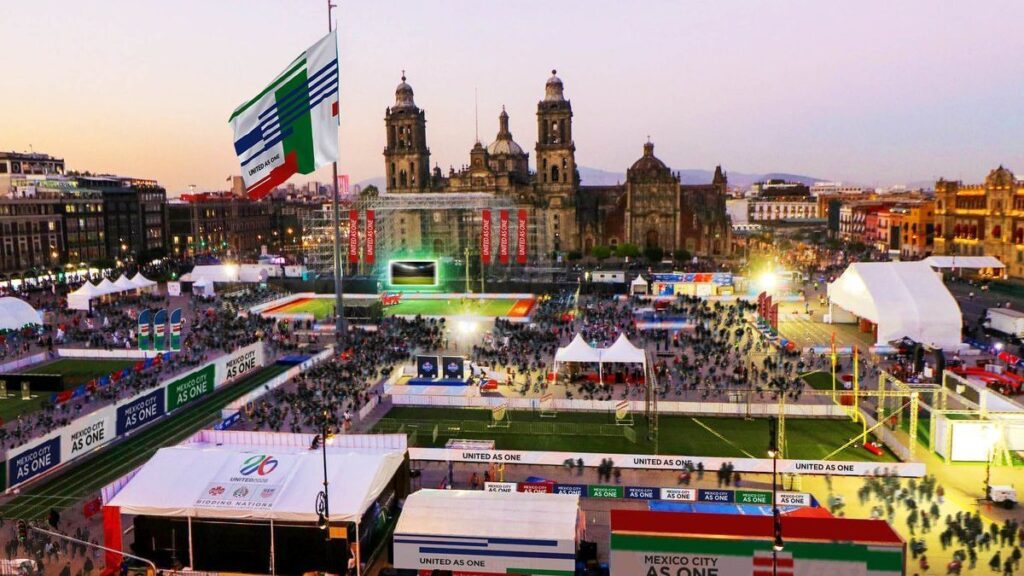
The World Cup is a catalyst for urban transformation. Beyond the stadiums, Mexico is creating “living spaces” where culture and sport collide in global-scale celebrations. Travelers wondering where to find the official Fan Zones in Mexico will find the primary Fan Festivals in the heart of the host cities:
- The Zócalo: In Mexico City, the historic main square will host the nation’s largest celebration.
- Plaza Liberación in Guadalajara: Situated between the Cathedral and the Teatro Degollado, this zone offers a sophisticated blend of heritage and sport.
- Parque Fundidora in Monterrey: A high-tech hub for supporters in the industrial north.
For those desiring a more curated atmosphere, additional luxury-tier fan experiences are expected in the beach destinations, specifically designed for the elite market that prefers to enjoy match broadcasts within the refined confines of awarded resorts.
Plan Kukulkán, a new standard in security and mobility
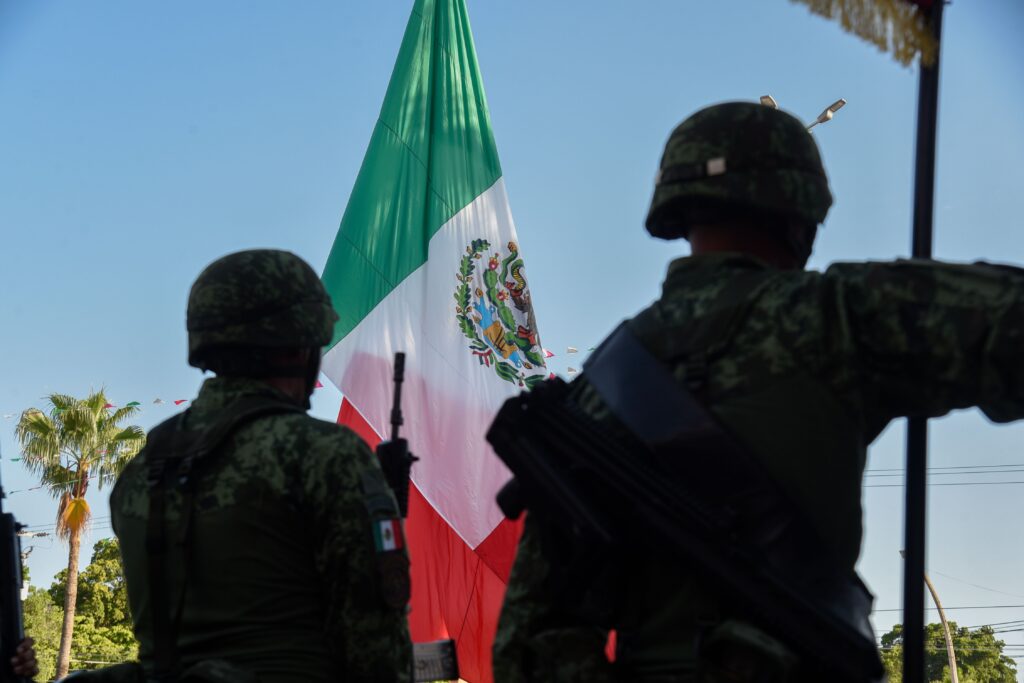
Security is the silent pillar of the 2026 strategy. The Mexican government has unveiled Plan Kukulkán, an elite security framework designed to protect visitors across the three host cities and major tourist corridors.
- Joint task force: Over 99,000 personnel, including specialized units from the Armed Forces and the Secretariat of Security, will be deployed in accordance with advanced intelligence protocols.
- Air and land shield: A five-layer air defense system will monitor the skies over the stadiums, while on the ground, AI-driven traffic management will provide “Integrated Mobility” passes to ensure seamless transit for international visitors.
The 2026 World Cup is more than a sporting event; it is Mexico’s invitation to the world to witness its evolution. By merging cutting-edge technology with its inherent warmth and sophisticated luxury, the country is not just preparing for a tournament—it is laying the foundation for a new era in global travel.
Whether you find yourself in the redesigned stands of the Azteca or retreating to a private villa in Los Cabos between matches, the Mexico of 2026 promises an experience as seamless as it is spectacular.
Are you ready to be part of history in the world’s most vibrant country?