What is Earth Day, and why is it celebrated on April 22?
Did you know that April 22 is Earth Day? Beyond being a date dedicated to reflecting on the importance of caring for our planet, it is the annual moment to explore the solutions and ideas that help nature remain the setting for our greatest experiences. Discover more about its origins and the global significance of this commemoration.
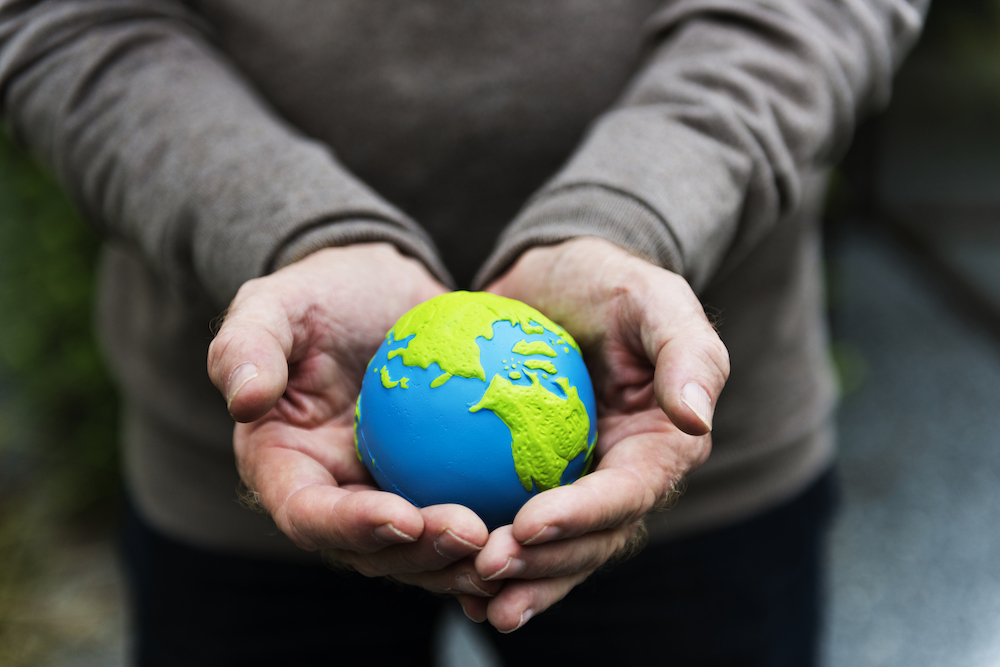
How did April 22 begin?
It all started in 1970 in the United States. At that time, there were no laws protecting the air or water. Senator Gaylord Nelson decided to organize a massive protest to demand government action against pollution. That first march on April 22 brought together 20 million people and was so successful that it helped lead to the creation of the first environmental protection agency.
Over time, the date went global. What began as a local event now unites more than 190 countries. It is celebrated to remind us that natural resources are not infinite and that clear rules are needed to ensure they continue to exist.
“Our Power, Our Planet”: A focus on capital and influence
Each year carries a different theme, and for 2026, the official slogan is “Our Power, Our Planet“. This means the primary focus is now on economic empowerment. The goal is for high-net-worth individuals and major corporations to use their capital to accelerate the use of clean energy and innovative materials.
A prime example is happening in high-end fashion. Designers like Gabriela Hearst are already using 97% deadstock materials (fabrics left over from previous collections). This proves that it is possible to own an exclusive, high-quality garment without depleting new resources. It is about using what already exists in a much smarter way.
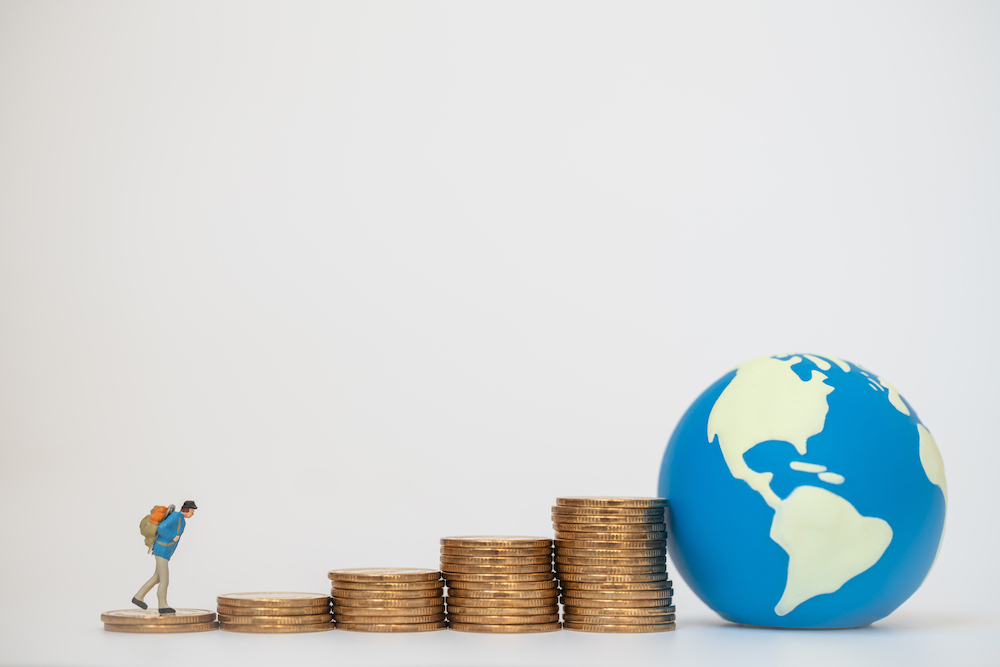
Environmental figures and challenges in 2026
Despite technological advances, current challenges require constant attention. According to the most recent reports from organizations such as the United Nations (UN) and the International Energy Agency (IEA), these are the key points on the environmental agenda:
- Data from the United Nations Environment Program (UNEP) indicates that between 8 and 11 million tons of plastic enter the ocean every year. To address this, the global goal for 2030 is to reduce virgin plastic production by 60%, favoring materials that can be reused.
- The International Energy Agency (IEA) confirms in its annual report that renewable sources now generate more than 30% of the world’s electricity. Currently, solar energy is the cheapest and most efficient option available for large-scale energy production.
- According to financial reports from global firms such as BlackRock and MSCI, capital is moving toward companies that respect the environment. These analyses show that sustainable businesses are not only better for the world but are also safer and more profitable long-term investments.
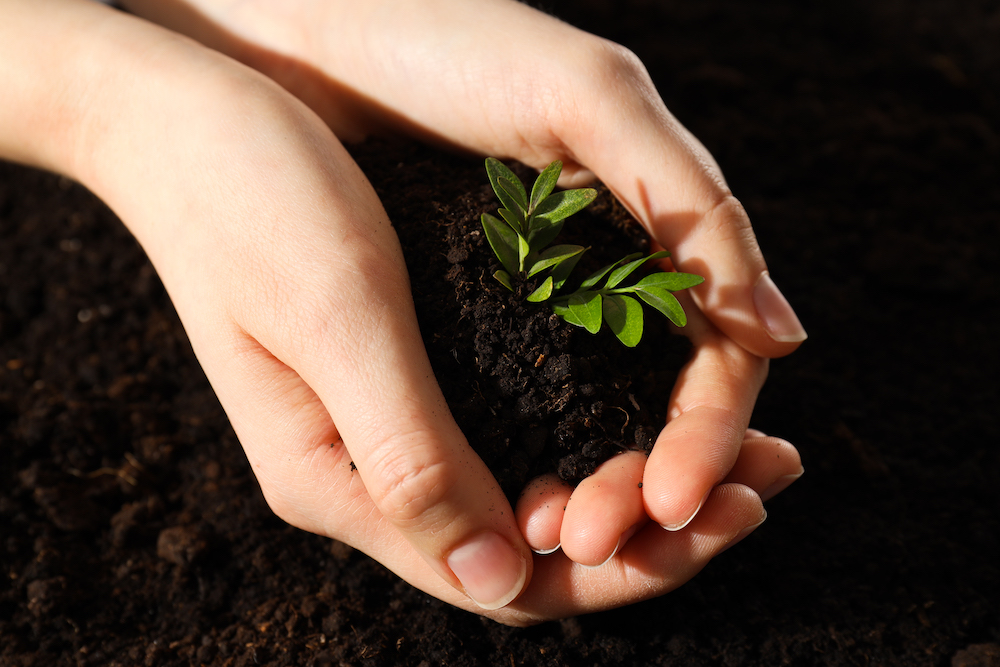
Actions with a positive impact on the environment
Contributing to the care of the planet does not require drastic lifestyle changes, but rather more informed decisions. These are some ways to generate a real impact:
- Choosing quality over quantity: Opting for brands that use recovered materials or guarantee the durability of their products for many years. An object’s longevity is one of the most effective forms of sustainability.
- Investing in home technology: When remodeling, installing solar panels is a smart decision. Today, designs are aesthetic and deliver significant long-term energy savings.
- Reducing plastic use: Avoiding single-use plastics is a fundamental step. If this consumption is reduced collectively, the figure of 11 million tons reaching the ocean each year will drop drastically.
Sustainability models in the hotel industry
The tourism industry has transitioned toward more conscious management of natural resources, with hotels integrating sustainable practices to minimize their environmental footprint and regenerate the environment. A benchmark in the implementation of these strategies is Velas Resorts, which executes the following actions aimed at protecting the ecosystems surrounding its properties:
- Energy efficiency: Using solar panels to preheat water reduces gas consumption by 45%. Furthermore, actions such as “Earth Hour” involve a scheduled blackout of non-essential lights to raise awareness about energy savings.
- Plastic elimination: Plastic toiletry containers have been replaced in the suites with refillable glass bottles, and single-use straws have been eliminated in favor of biodegradable options made from avocado pits.
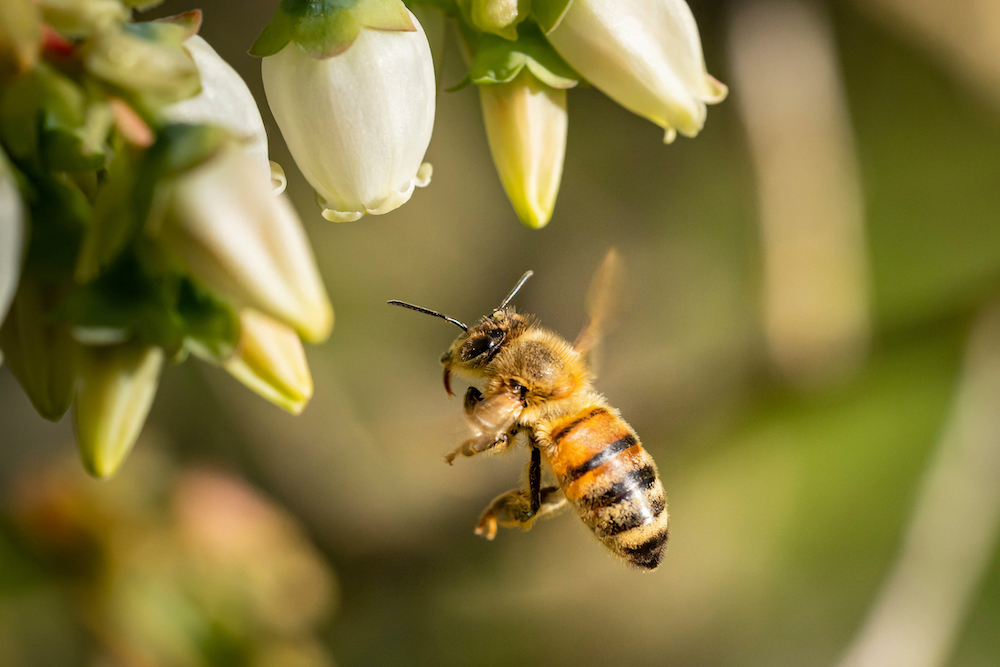
- Species conservation: The security team is trained to protect sea turtle nesting and release events. Similarly, Grand Velas Riviera Maya maintains a meliponary, home to the Melipona bee, which was sacred to the Mayan culture.
- Recycling culture: In the Kids’ Clubs, creativity is encouraged through fashion design workshops and crafts using repurposed materials, teaching the importance of giving objects a second life.

Toward a sustainable future
Earth Day reminds us that innovation and respect for the environment must go hand in hand. By choosing clean technologies and responsible business models, we ensure the planet remains a healthy and vibrant place. More than a date on the calendar, this April 22 represents an opportunity to lead by example. The future is built through the decisions made today.