World Cup 2026: seamless connectivity with new direct flights from Europe to Mexico
As the world prepares for the most ambitious tournament in history, the logistics of luxury travel are taking center stage.
For the discerning European traveler, the journey to North America is being redefined. In 2026, direct flights from Europe to Mexico will offer unprecedented access to the game, bypassing traditional layovers and focusing on the three host cities: Mexico City, Guadalajara, and Monterrey.
The triad of host cities

Before delving into the logistics of the skies, it is essential to understand the geography of the tournament in Mexico. The 2026 World Cup will be distributed across three vibrant metropolises, each offering a distinct flavor of Mexican refinement:
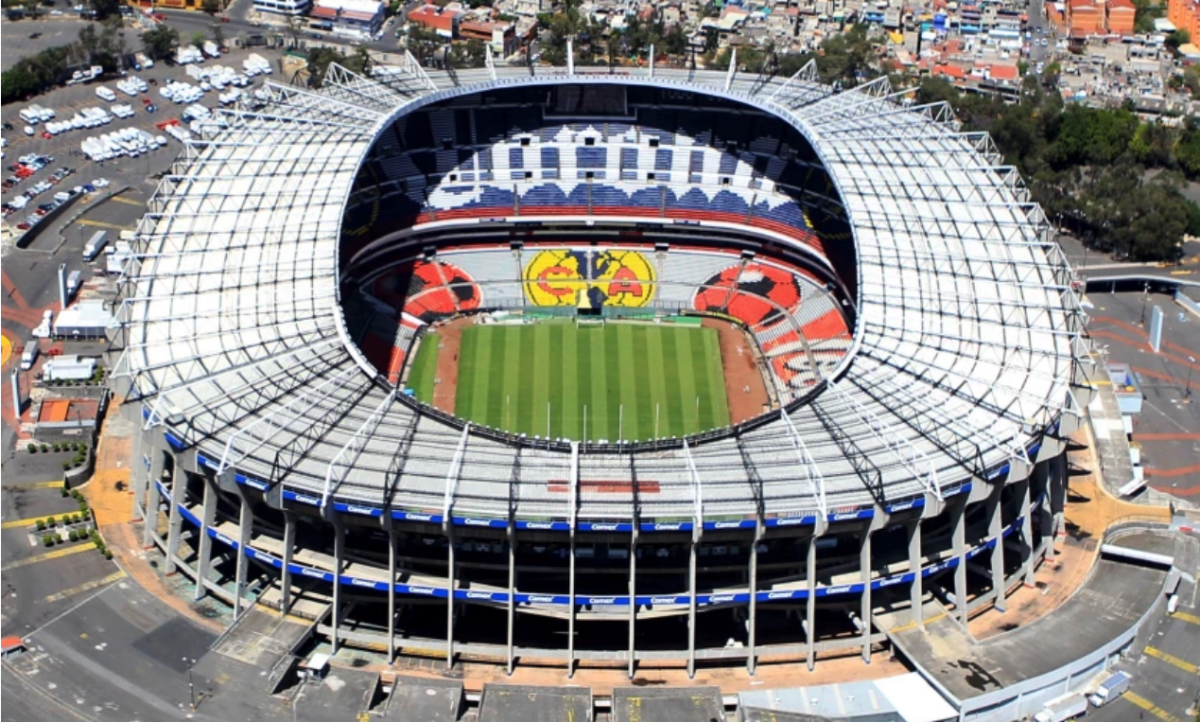
- Mexico City (Estadio Azteca): The historic soul of the country, offering unparalleled gastronomy and world-class art.
- Guadalajara (Estadio Akron): The birthplace of tequila and mariachi, blending colonial charm with modern luxury.
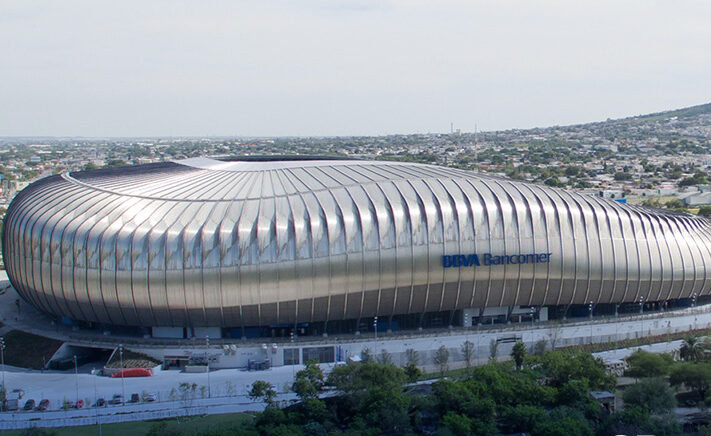
- Monterrey (Estadio BBVA): An industrial powerhouse framed by dramatic mountains, perfect for the traveler seeking sophisticated urban landscapes.
A game-changer for World Cup 2026 travel logistics is the direct link between Spain and Northern Mexico. With Iberia and Aeromexico enhancing the direct flight schedule between Madrid and Monterrey, travelers can reach the “City of Mountains” in total comfort. This route is specifically designed to cater to the influx of international fans heading to the Estadio BBVA, ensuring a premium arrival experience.
The hub strategy: direct arteries to Mexico City (MEX)

The Benito Juárez International Airport (MEX) remains the primary arrival terminal. For the 2026 World Cup, the following direct routes represent the gold standard in transatlantic aviation.
1. The London connection (LHR to MEX)
- Carrier: British Airways (BA243) & Aeromexico (AM8)
- Average Flight Time: 11 hours 45 minutes.
Arrival tip: Utilize the “Platinum Lounge” services at MEX for expedited immigration processing.
2. The Iberian gateway (MAD to MEX)
Madrid serves as the most frequent departure point in Europe, offering up to five daily direct rotations.
- Carriers: Iberia (IB6403/IB6409) and Aeromexico (AM2/AM22).
- Average Flight Time: 12 hours 10 minutes.
Strategic advantage: MAD offers the shortest connection times for travelers coming from Rome, Lisbon, or the Middle East.
3. The Parisian elegance (CDG to MEX)
- Carrier: Air France (AF178)
- Average Flight Time: 11 hours 55 minutes.
4. Other hubs: Amsterdam, Frankfurt, and Munich: German precision
- KLM Royal Dutch Airlines: Departing from Schiphol (AMS), KLM connects Europe to Mexico City with its world-class World Business Class, known for its iconic Delft Blue houses and attentive service.
- Lufthansa: Bridging the heart of Europe with Mexico, Lufthansa operates direct routes from both Frankfurt (FRA) and Munich (MUC) to Mexico City. Their First Class service remains a benchmark for global luxury travel.
Bypassing the capital: direct access to Guadalajara and Monterrey
A sophisticated itinerary avoids unnecessary layovers. For the 2026 World Cup, several “non-hub” routes allow direct access to Mexico’s secondary host cities.
Guadalajara (GDL): The Cultural Epicenter
- Direct from Madrid (MAD): Aeromexico operates a direct route (AM37) utilizing the 787-9 Dreamliner. This allows travelers to land in the heart of Jalisco without the congestion of Mexico City.
- Flight Duration: 12 hours 30 minutes.
Monterrey (MTY): The Industrial Jewel
- Direct from Madrid (MAD): Aeromexico (AM35) provides a direct link to the North.
- Flight Duration: 11 hours 50 minutes.
- Expert Insight: Monterrey’s General Mariano Escobedo Airport (MTY) features a dedicated VIP terminal for private aviation, making it an ideal entry point for those arriving via charter from London or Geneva.
The “smart fan” logistics: hubs & connections
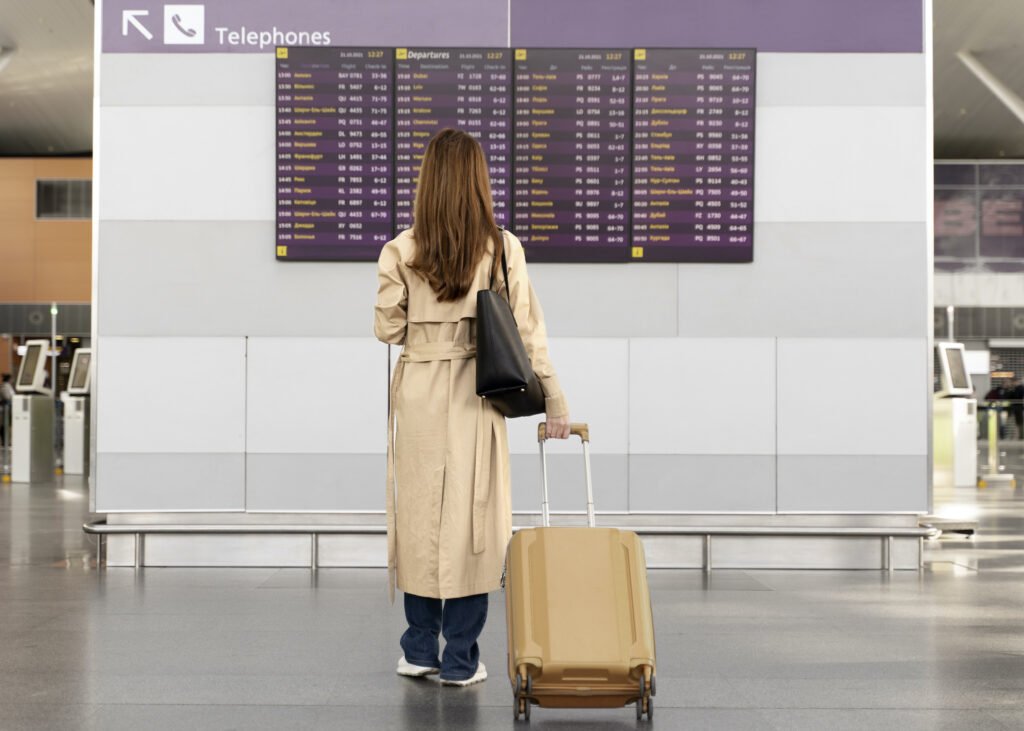
If direct flights to your specific city are unavailable, the “hub & spoke” model is your best friend.
- The Madrid-Mexico axis: Use Madrid as your primary jumping-off point. It has the most “direct-to-host-city” options in the world.
- Domestic hopping: Mexico’s internal flight network is robust. Carriers like Aeromexico, Volaris, and Viva connect MEX, GDL, and MTY with flights under 1.5 hours departing nearly every 30 minutes.
- Cross-border options: For travelers visiting multiple venues across North America, major US hubs like Houston (IAH) or Dallas (DFW) offer short, direct hops (2 hours or less) into all three Mexican host cities.
Expert travel tips for the World Cup traveler
- Airport check: Mexico City now has two airports: the central AICM (MEX) and the newer AIFA (NLU). Most international flights from Europe arrive at MEX, but some domestic connections for the World Cup may depart from NLU. Always double-check your terminal!
- The Dreamliner benefit: When booking, look for flights operated by the Boeing 787. Its lower cabin altitude and higher humidity significantly reduce jet lag, ensuring you aren’t exhausted for the first match.
- Ground transfers: Upon arrival, we recommend pre-booking private transportation or using official airport taxis (authorized booths are inside the terminals). For a premium experience, many Velas Resorts partners offer dedicated shuttle services from the tarmac.
Elevating the transatlantic experience
The 2026 World Cup is a definitive invitation to experience contemporary Mexico through another lens. By prioritizing these elite direct routes and premium travel experiences, you are securing more than just a seat at the stadium—you are ensuring a seamless transition into the extraordinary.
Have you started planning your itinerary yet?