Essential tips for visiting Mexico during the 2026 World Cup
The countdown to the ultimate football celebration has begun. As Mexico prepares to welcome thousands of fans across its three host cities, this guide provides essential information to ensure a seamless trip during the World Cup.
From immigration procedures to navigating between stadiums, discover everything you need to know before landing in Mexico.
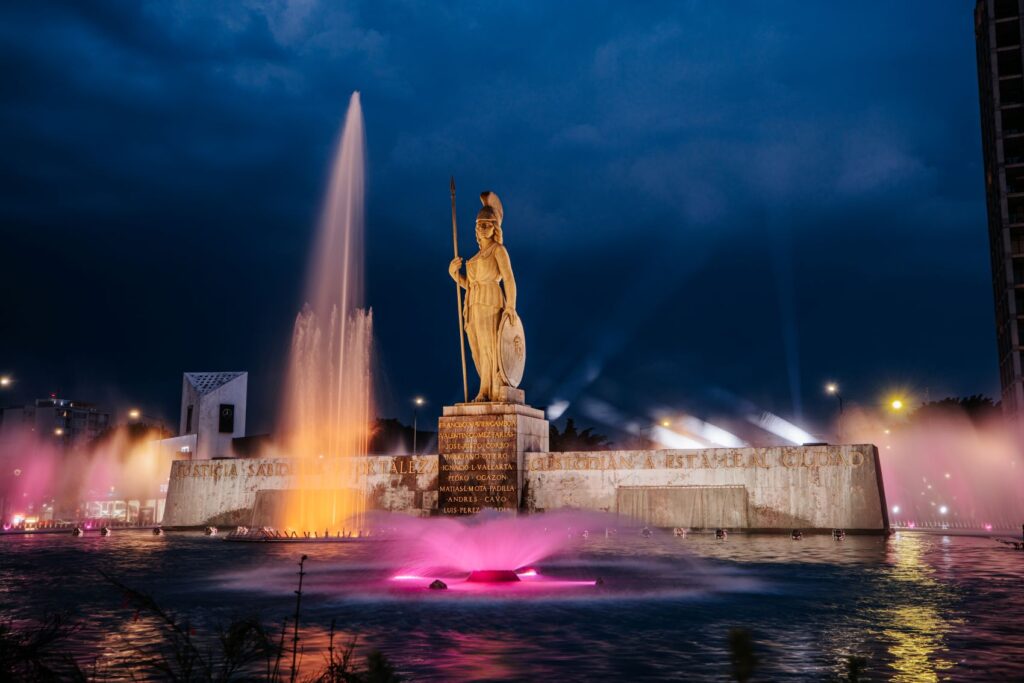
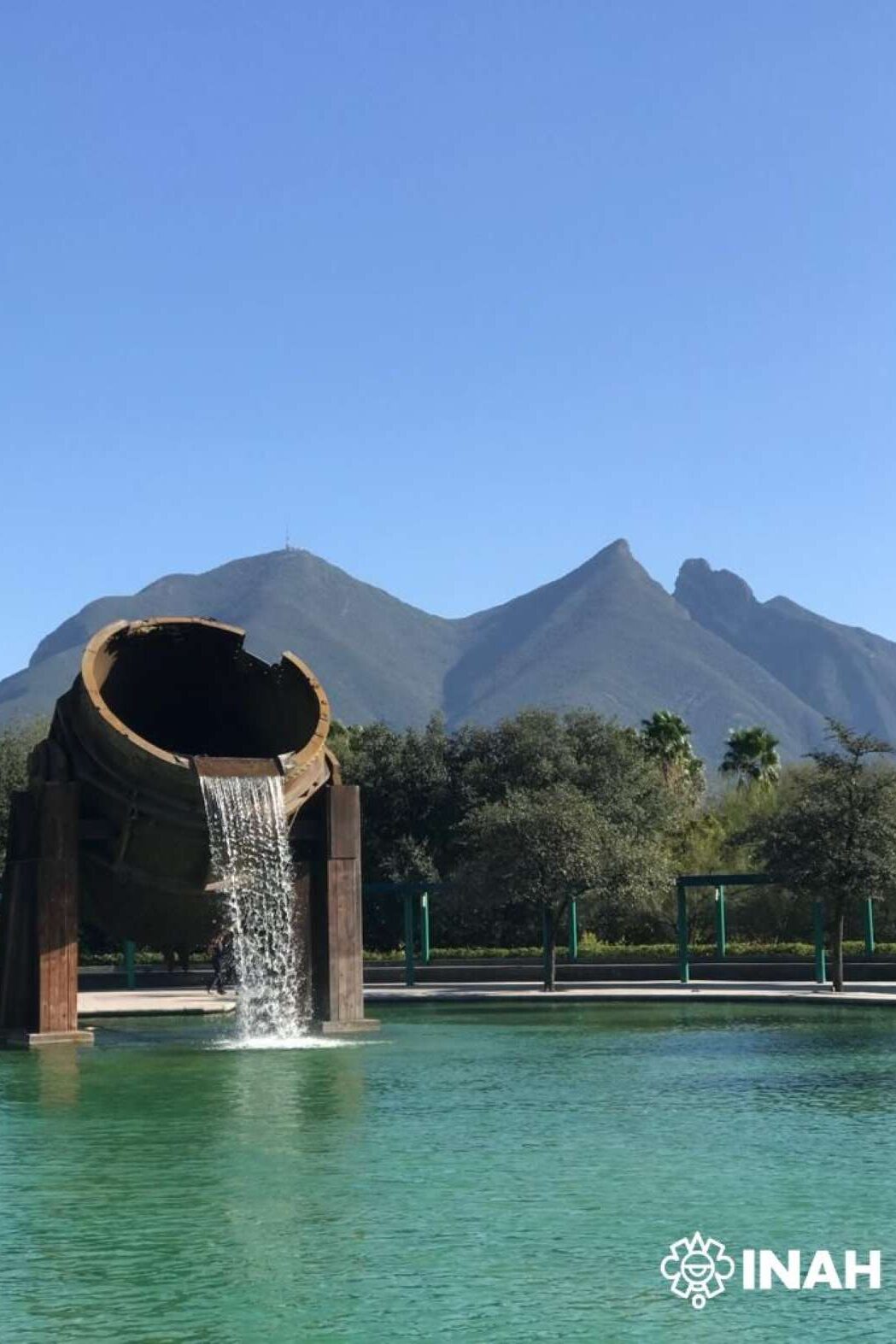
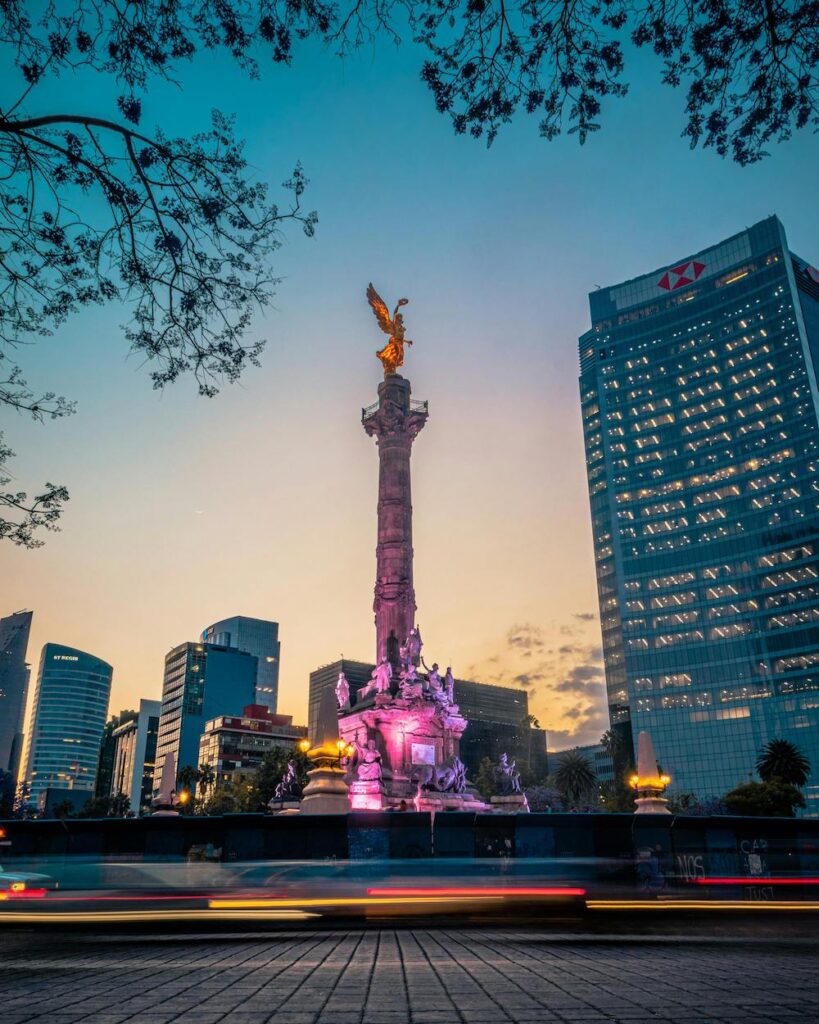
Entry requirements and visas for foreigners
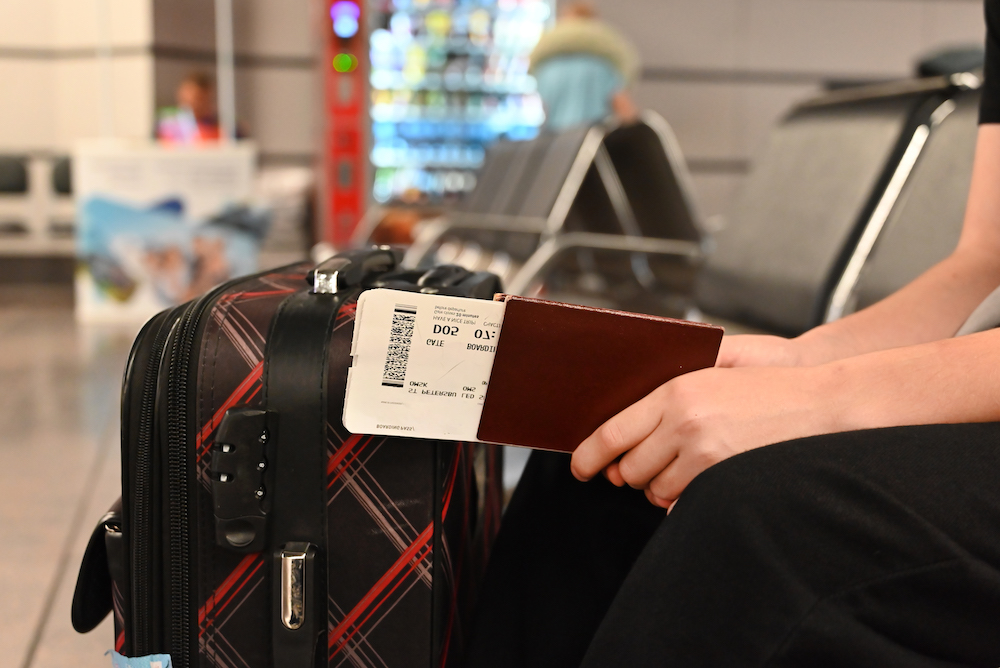
Most foreign visitors only require a passport with at least six months of validity to enter Mexico.
Citizens from countries such as the United States, Canada, Japan, the United Kingdom, or any nation within the Schengen Area do not need to apply for a Mexican visa. However, nationals from countries including Brazil, Ecuador, India, Turkey, and Russia do require a visa to enter the country.
To view the complete and updated list, consult the official website of the Ministry of Foreign Affairs (SRE):
🔗 List of countries requiring a visa for Mexico
Mobility and transportation in the three host cities
Navigating Mexico does not have to be a challenge. Here are specific tips for traveling from the airports to the main hotel zones.
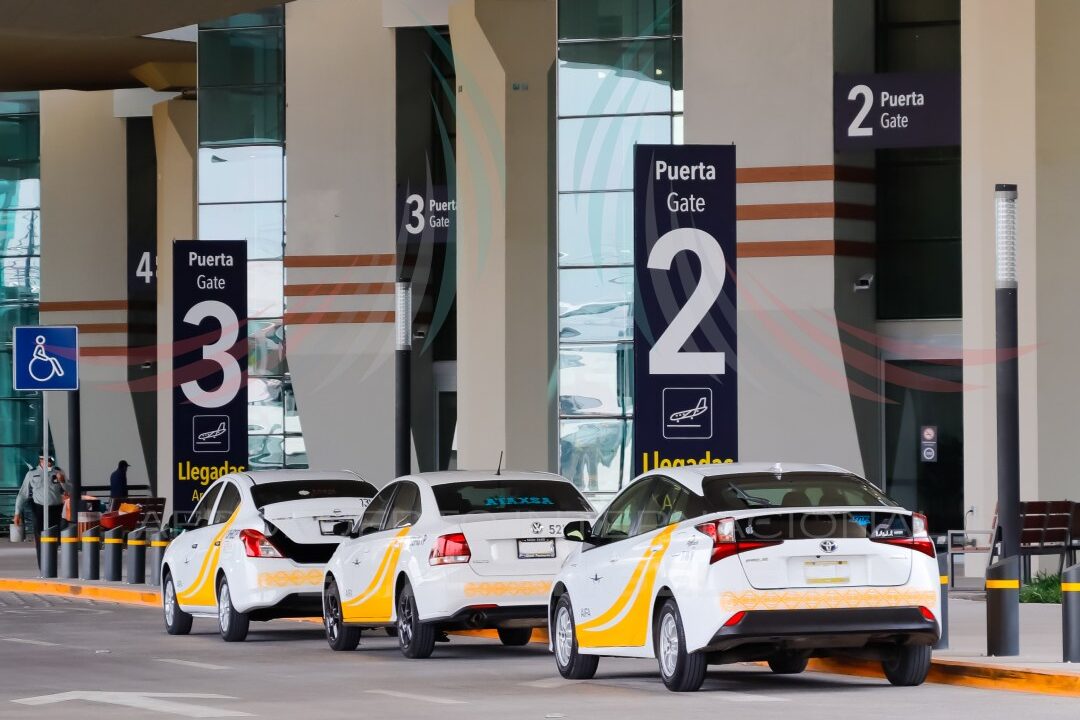
- Mexico City | Benito Juárez International Airport (AICM): As the busiest airport, it offers multiple options for reaching areas like Reforma, Polanco, or the Historic Center. Use the Metro only if traveling with light luggage. The Metrobus is a better option for reaching the city center directly and safely, as it offers dedicated space for suitcases. Authorized taxis are also available.
- Mexico City | Felipe Ángeles International Airport (AIFA): The highlight for this terminal is the opening of the Suburban Train, which connects AIFA to the Buenavista station in downtown Mexico City in approximately 43 minutes.
- Guadalajara | International Airport (GDL): For this World Cup, the city has debuted Line 5 of its articulated transport system (BRT), facilitating connections to the stadium district and hotel zones.
- Monterrey | International Airport (MTY): In Monterrey, the Aerobús remains the preferred option for reaching the city center, offering direct, frequent service from all three terminals. Authorized taxis are also readily available.
Important: Currently, digital platforms such as Uber or DiDi can only be used to travel to airports; pick-ups within federal airport zones may be restricted to authorized taxis.
Access to stadiums and public transport
A fundamental point for every fan is that, due to FIFA security protocols, vehicular access to stadiums will be prohibited. Utilizing the public transportation system will be essential.
- Estadio Banorte (formerly Estadio Azteca) – Mexico City: The Light Rail (Tren Ligero) is the most efficient way to arrive. Take Metro Line 2 (Blue) to the Taxqueña terminal and transfer there to the Light Rail heading to the “Estadio Azteca” station.
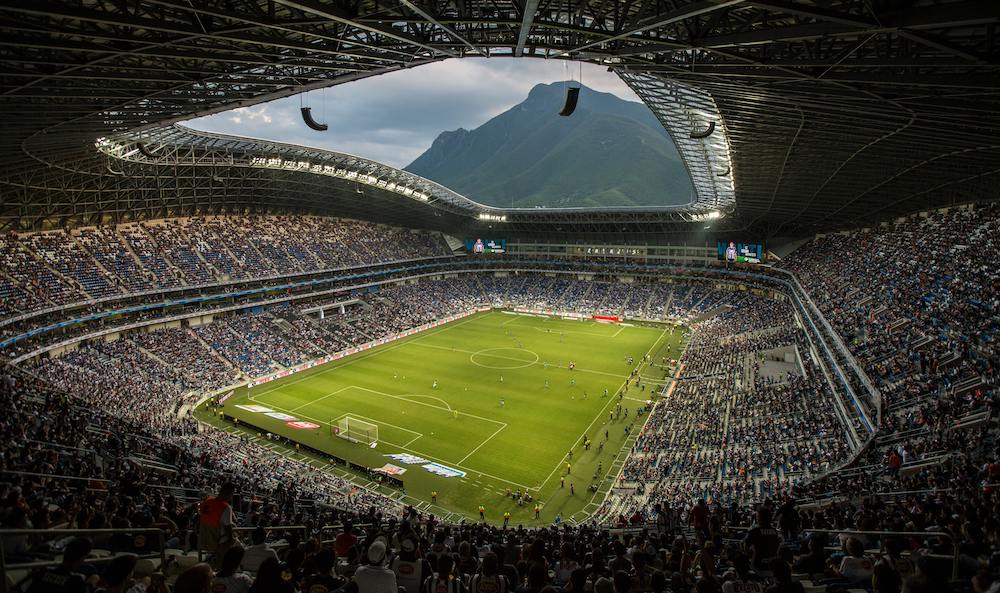
Obtain the Integrated Mobility Card to use the Metro, Metrobus, Cablebús, and Light Rail. It can be purchased at any station and recharged via the CDMX App or Mercado Pago to avoid lines at vending machines. - Estadio BBVA – Monterrey: The most direct route is via Metrorrey (Metro). Exit at the Exposición station on Line 1, which is the closest to the stadium (about a 15-minute walk along a secure pedestrian path). Alternatively, use the Transmetro, feeder buses that connect to Metro stations, which are vital if staying in areas like San Pedro Garza García.
- Estadio Akron – Guadalajara: Access is available via Mi Macro Periférico, a Bus Rapid Transit (BRT) system that runs along the city’s main ring road. The “Estadio Chivas” station is nearby, though a significant walk is required. You can also take Line 3 of the Light Rail, which connects downtown to Zapopan. From the “Arcos de Zapopan” terminal, you will need to take a ride-share taxi or an additional bus to reach the stadium.
While Google Maps will be a key ally for navigating routes, it is recommended to save the maps and links for public transport in each city:
🔗 CDMX Mobility Map | Monterrey Transport (Metrorrey) | Guadalajara Transport (SITEUR Jalisco)
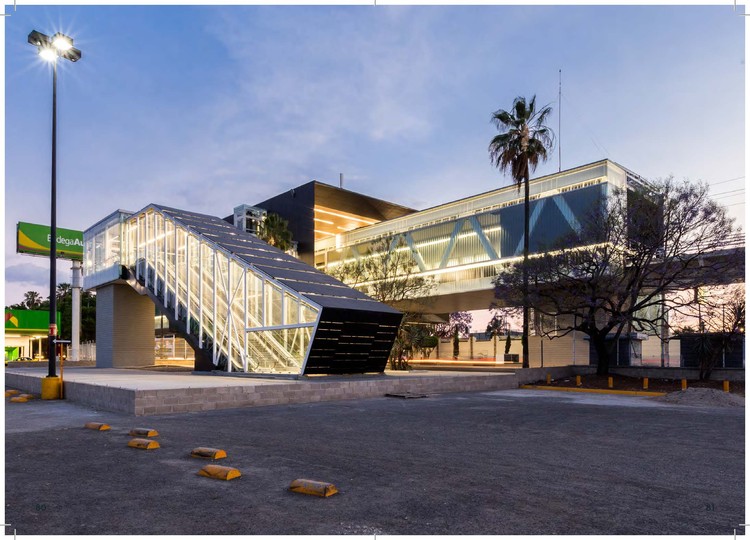
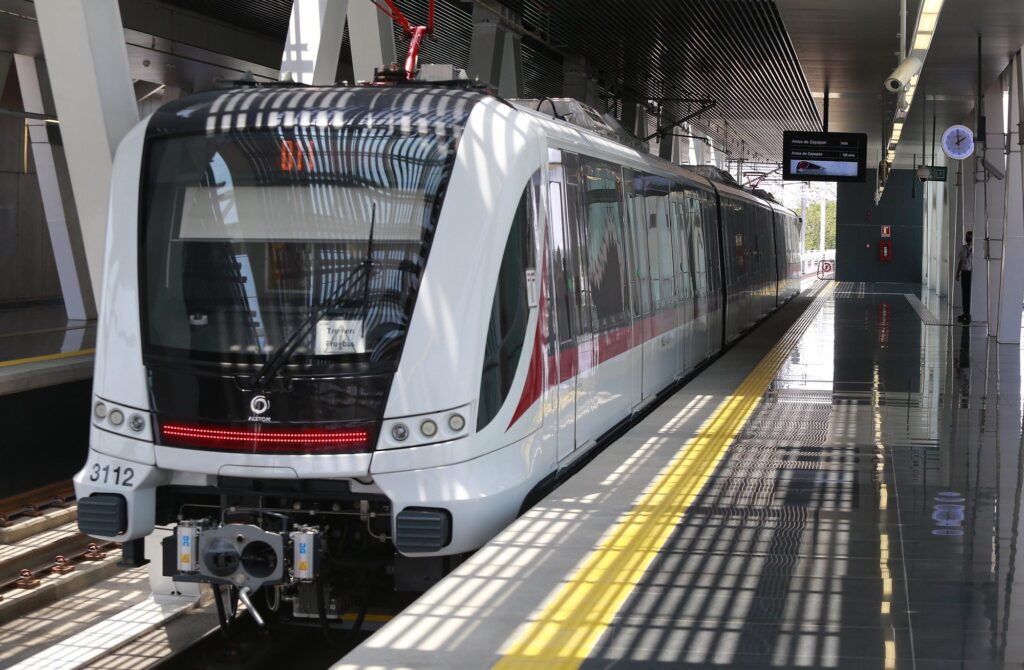
Photos via ArchDaily México
Diplomatic assistance and embassy contacts in Mexico
Mexico hosts one of the world’s most extensive consular networks, with delegations strategically distributed across the three World Cup host cities.
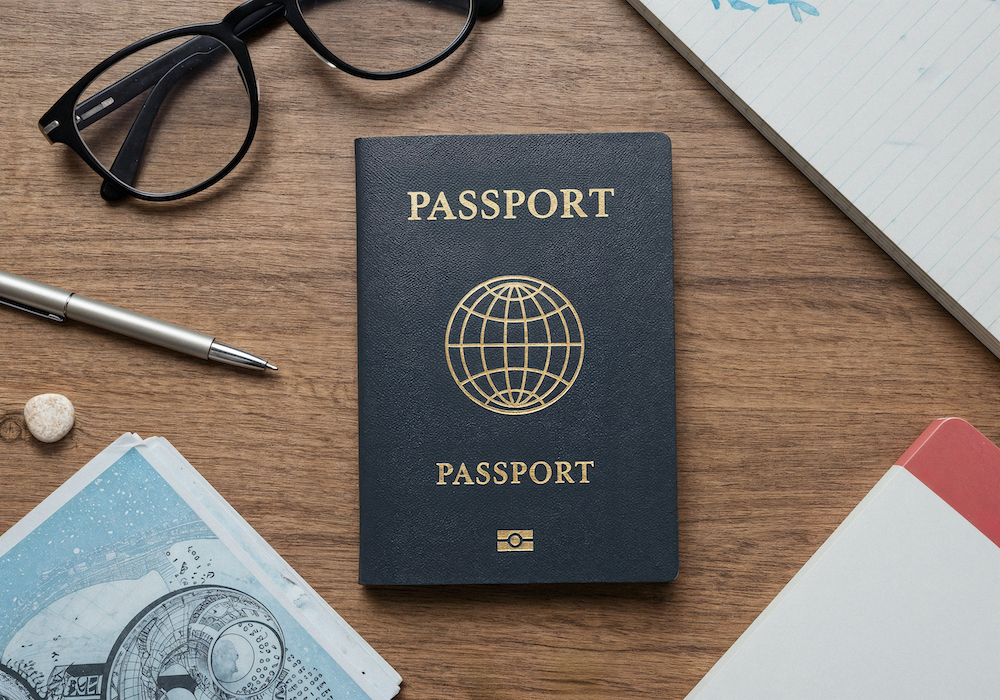
Embassies are located exclusively in Mexico City. In Monterrey and Guadalajara, consulates operate with the authority to assist their citizens in emergency procedures, such as replacing lost passports.
To locate the exact address and emergency phone numbers for your consulate or embassy, the Ministry of Foreign Affairs (SRE) maintains a real-time updated directory.
🔗 Directory of accredited foreign missions in Mexico
Health and traveler assistance
The unified emergency number in Mexico is 911. For specific tourist assistance, the Ministry of Tourism operates the 078 line, offering mechanical and tourist advice on highways through the “Green Angels” (Ángeles Verdes).
It is recommended to download the Guest Assist app (available in several Mexican states), which provides direct links to consulates and emergency services. Additionally, travel insurance is vital; ensure it covers air ambulance transfers and high-specialty hospitals in major cities.
Official tickets and hospitality channels
Security in ticket purchasing is a priority. FIFA is the only authorized body for ticket sales.
FIFA.com/tickets: This is the only legitimate portal. Sales phases are announced via prior draws.
Digital Tickets: For 2026, all tickets will be digital and managed through an official FIFA application. There are no physical “print-at-home” tickets or tickets sent by mail that are valid for entry.
Final trip preparation
Traveling to Mexico during the World Cup will be an unforgettable experience. The country offers not only world-class football but also a cultural richness and hospitality that captivates every visitor. Stay informed through official channels and prepare your senses to discover the color and passion of one of the world’s most vibrant football nations.