How to make local cuisine the star of your destination wedding
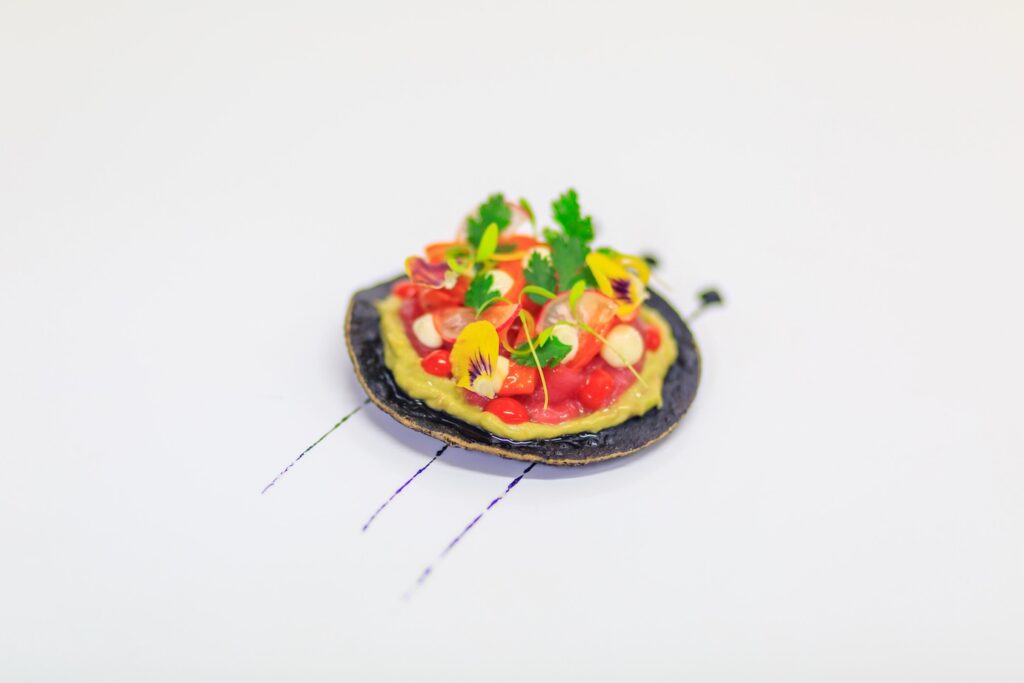
For decades, the gold standard of a luxury destination wedding reception was defined by importing exotic ingredients from the farthest corners of the world. Caspian Sea caviar, white truffles from Piedmont, and Kobe beef were all unmistakable symbols of status and sophistication. However, the definition of contemporary luxury has undergone a profound and lasting transformation. Today, the most discerning travelers and couples who appreciate refined experiences understand that true exclusivity lies in what cannot be replicated anywhere else.
Planning a destination wedding in the privileged settings of Mexico or the Caribbean offers an extraordinary opportunity to make the wedding feast the centerpiece of the entire celebration. By moving beyond standardized international fine-dining menus and embracing the region’s local ingredients, you allow your guests to experience the destination through its flavors. A culinary experience rooted in the surrounding land and sea not only elevates the event but also transforms a formal dinner into an unforgettable sensory memory and a genuine expression of hospitality.
If you want food and drinks to become more than just part of the wedding reception and instead serve as a cultural experience, there are countless ways to make it happen.
The farm-to-table concept as the new standard
The foundation of any unforgettable culinary experience is the absolute freshness of its ingredients. Farm-to-table ingredients are foods produced, grown, or crafted near the place where they are consumed, generally within a 100-kilometer radius. Incorporating them into your wedding menu serves a dual purpose that reflects the values of modern hospitality. On one hand, it guarantees exceptional flavor and optimal texture that no frozen product or ingredient transported thousands of miles can match. On the other, it reflects a conscious commitment to sustainability and respect for the natural surroundings that provide the setting for your vows.
To bring this concept to life, the first step is to work closely with executive chefs and catering teams who maintain direct relationships with local farmers, fishermen, and artisan producers. When an ingredient travels directly from a fisherman’s net or an organic farm to your reception kitchen, traceability becomes a tangible value that your guests can appreciate in every bite.
The geographical diversity of destinations such as Mexico’s coastlines makes it possible to create entirely different culinary experiences depending on the landscape you choose. If your celebration takes place along the Pacific coast, in destinations such as Puerto Vallarta or Los Cabos, the local bounty offers incomparable treasures from the sea. You can highlight the catch of the day, such as red snapper or sea bass, accompanied by wild bay shrimp, fresh chocolate clams, and vegetables grown in nearby agricultural valleys.
By contrast, if you choose the Mexican Caribbean as your setting, the fusion of the sea and the Mayan jungle opens up a vibrant world of possibilities. Here, menus come to life with freshly caught lobster, slow-cooked Mayan octopus, and a colorful selection of seasonal tropical fruits such as mamey, dragon fruit, black sapote, and soursop.
By letting the agricultural calendar and fishing seasons guide the menu, you ensure every ingredient served at the table is enjoyed at its peak freshness and flavor.
Interactive food stations and the art of live cooking
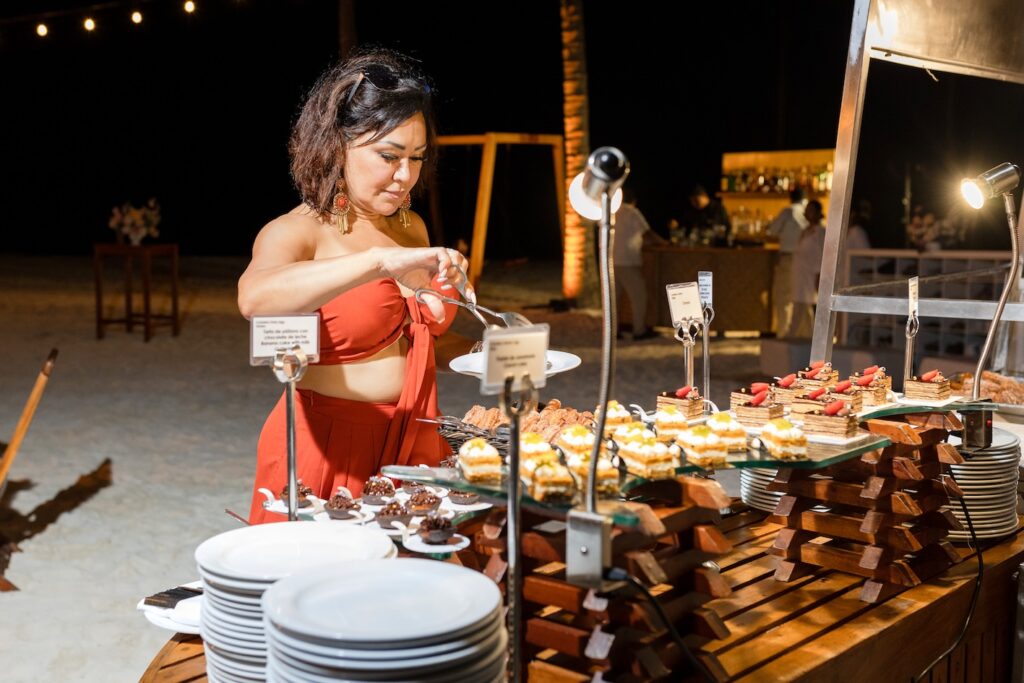
At a destination wedding, gastronomy can break away from the formality of traditional receptions and become sophisticated entertainment. Live cooking stations let guests interact with skilled chefs, watch traditional techniques in action, and enjoy dishes prepared right before their eyes, with every element served at the perfect temperature and texture.
The welcome cocktail hour is the ideal setting for a raw bar. Imagine a sculptural table of crushed ice overflowing with freshly shucked oysters, fresh clams, ceviches prepared to order with local citrus, and aguachiles made right in front of your guests. The sound of a knife against the cutting board, the aroma of freshly squeezed lime, and the chance to customize the spice level create a lively atmosphere that encourages conversation from the first moment.
Later in the evening, or even as a culinary surprise during the celebration, traditional Mexican comal stations bring an incomparable sense of warmth. Few things captivate the senses quite like the aroma of nixtamalized corn cooking on a hot clay griddle. A refined Mexican street-food station, where skilled cooks prepare handmade tortillas using heirloom corn in a variety of colors, elevates traditional cuisine into an art form. Pairing these creations with slow-cooked stews, locally made artisan cheeses, and an assortment of freshly ground salsas prepared in a volcanic stone molcajete offers international guests an authentic and delicious immersion into local culture.
For the sweet finale, consider replacing the traditional multi-tiered wedding cake with a regional dessert market. This visually striking concept showcases the destination’s confectionery traditions through small stations featuring freshly made crispy churros, buñuelos dusted with cinnamon sugar, traditional caramelized milk sweets, artisan chocolate made with heirloom cacao, and fruit popsicles. It is a playful yet elegant way to conclude the feast, allowing everyone to choose their favorite flavors while continuing to enjoy the dance floor.
Pairings and spirits with a designation of origin
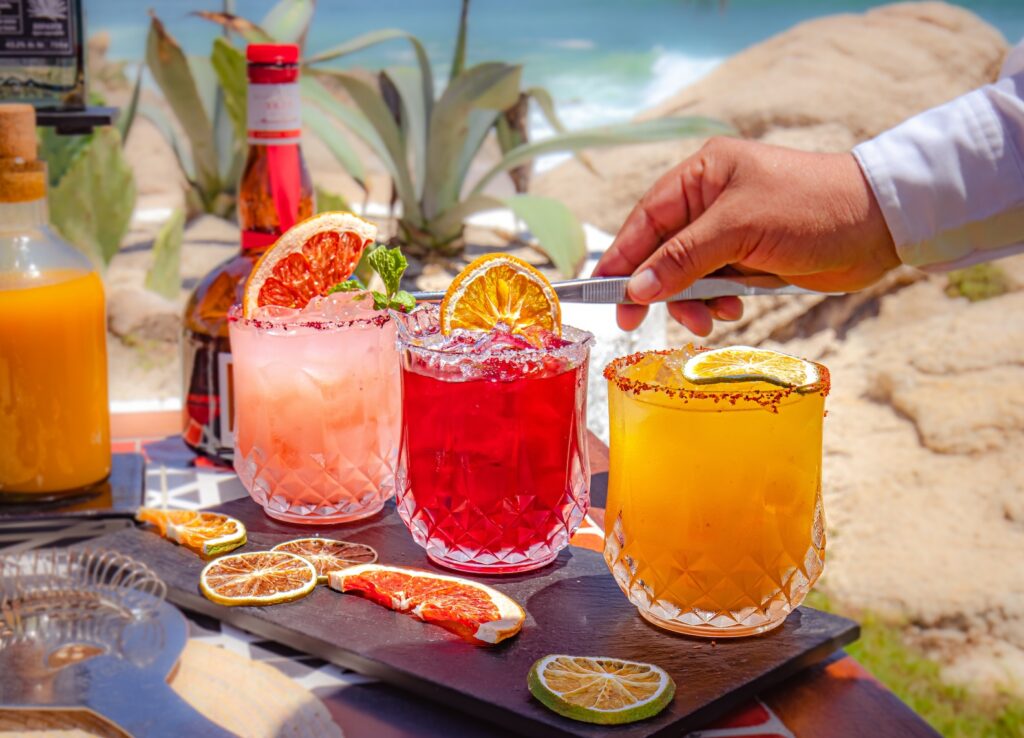
A first-class culinary experience deserves a beverage selection to match. Rather than relying on a conventional open bar featuring the same familiar international labels, you can use mixology and guided tastings to introduce your guests to new flavors while creating a memorable experience.
Mexico boasts one of the world’s richest and most complex distilling traditions, extending far beyond its widely recognized commercial brands. Depending on the region where you celebrate, you can arrange a tasting bar hosted by a master tequila maker or a specialized sommelier.
If you are getting married in western Mexico, a curated selection of raicilla from the coast and mountains, alongside additive-free artisanal tequilas, will surprise even the most experienced connoisseurs. If your wedding takes place in the south or central regions of the country, wild agave mezcals produced in clay or copper stills offer smoky, mineral, and herbal notes that pair beautifully with contemporary cuisine. For celebrations in northern Mexico, sotol and bacanora introduce distinctive aromatic profiles inspired by the desert landscape.
Botanical mixology is another wonderful way to bring the destination’s character into every glass. Working with mixologists to create a signature menu of three or four wedding cocktails allows you to incorporate native herbs, edible flowers, and local spices. A crystal-clear spirit infused with damiana leaves, a touch of natural vanilla from Papantla, organic hibiscus syrup, or a rim of worm salt and dried citrus can transform a classic cocktail into a sensory experience that immediately evokes the surrounding landscape. Even non-alcoholic options can receive the same artisanal treatment, featuring clarified aguas frescas, chilled botanical infusions, and locally crafted kombucha.
The tasting menu as a story told at the table
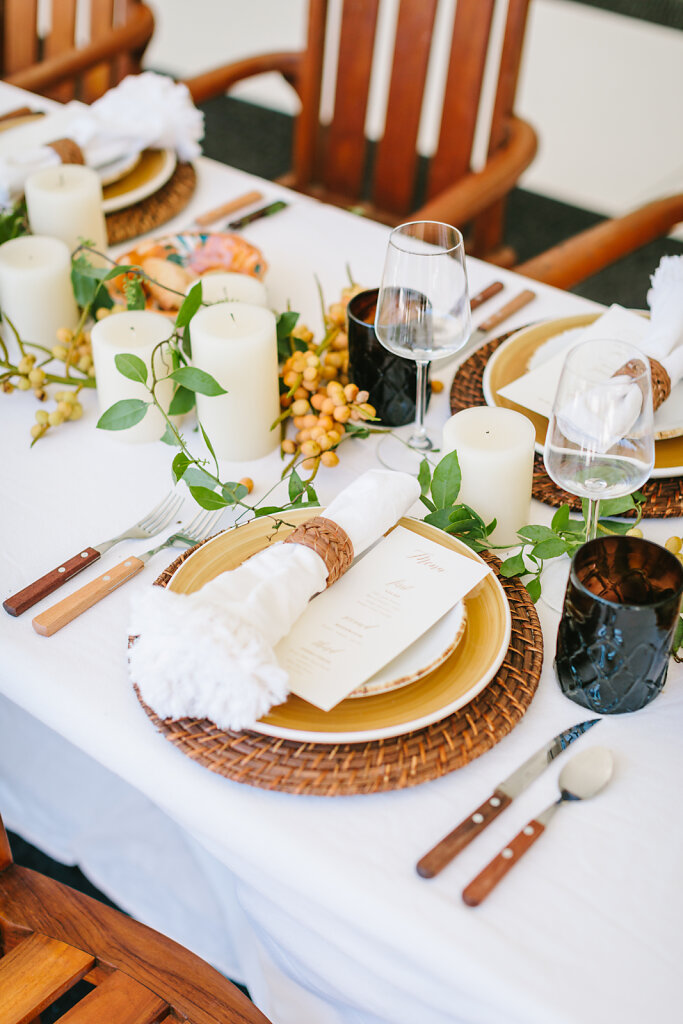
When your reception calls for a formal seated dinner, a tasting menu becomes the perfect vehicle for telling a cohesive story. Each course should feel like a chapter in a book, gradually revealing different aspects of the destination’s geography, history, and biodiversity.
Designing this culinary journey requires a thoughtful balance of flavors, temperatures, and techniques. An effective approach is to begin with a light, refreshing first course that pays tribute to the local coastline or garden, awakening the palate with bright citrus and herbal notes. The second course can explore the flavors of the land, incorporating ancestral grains, wild mushrooms, or fire-roasted vegetables that add depth and warmth.
For the main course, the goal is to present a high-quality protein that reinterprets a traditional regional recipe through contemporary culinary techniques. A fish fillet served with a white pine nut and almond mole, or a perfectly seared cut of meat accompanied by Yucatecan black recado sauce reimagined with modern textures, demonstrates how tradition and innovation can coexist in perfect harmony. Dessert, meanwhile, should bring the experience to a light and elegant close, incorporating native honeys such as melipona honey, regional citrus, and crisp textures that refresh the palate.
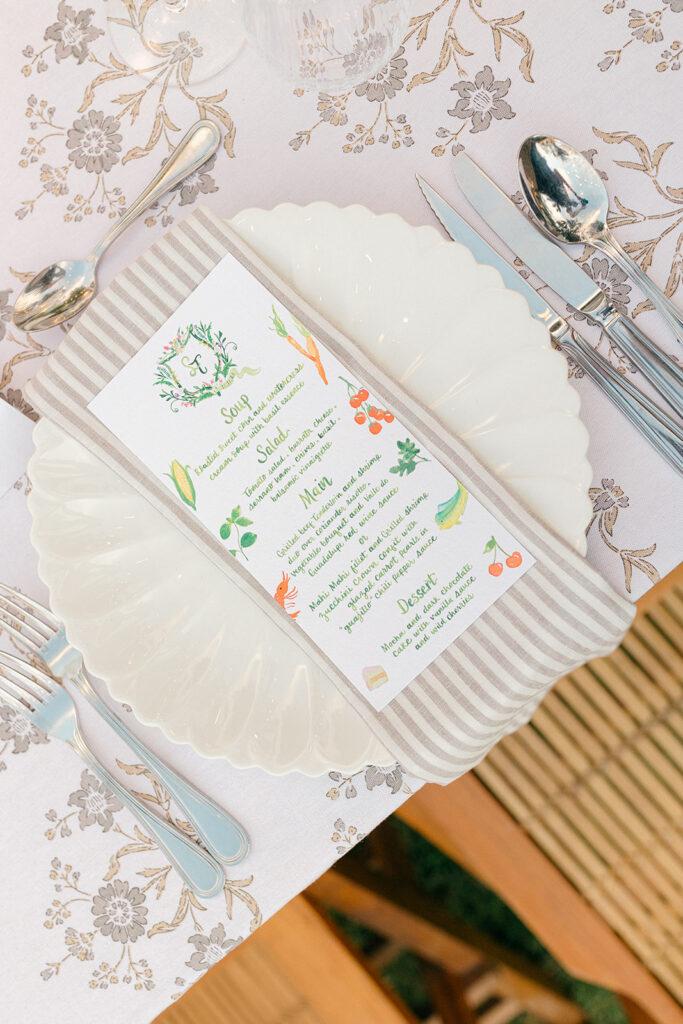
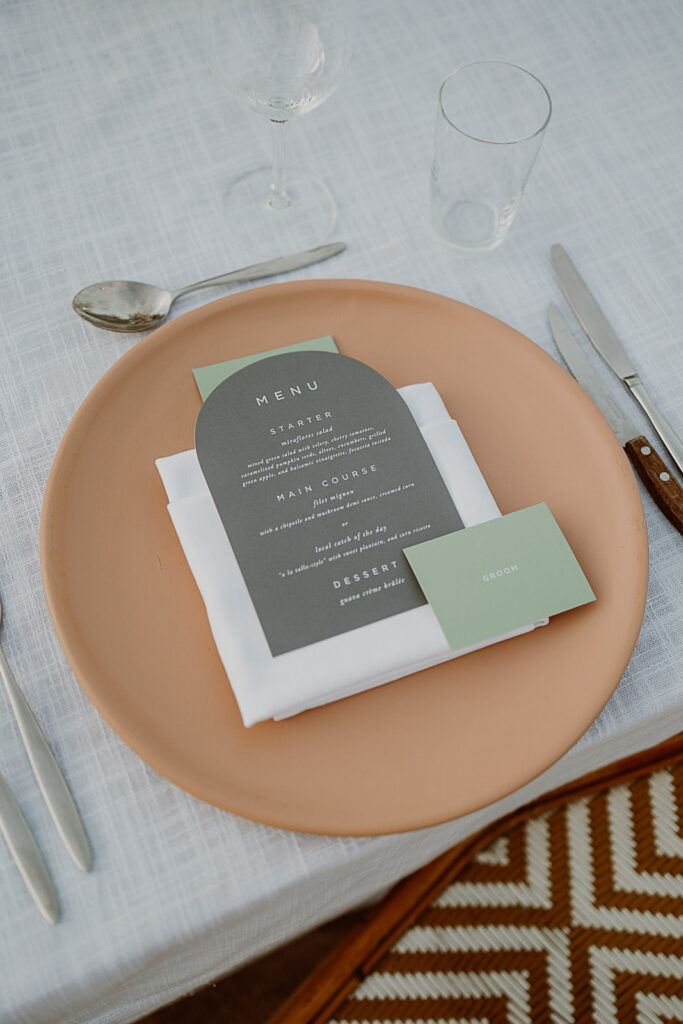
The detail that elevates this experience into truly personalized luxury is the printed storytelling element. Placing a small card beside each plate—crafted from handmade cotton paper or natural fibers—with a brief explanation of the main ingredients, the name of the producing community, or the historical legend behind the recipe your guests are about to enjoy transforms dining into a moment of cultural connection. Your guests will not only know what they are eating but also understand the human stories and regional heritage behind every creation.
The finishing touch that keeps the memories alive
Genuine hospitality is distinguished by its ability to extend beyond the celebration itself. Once the music fades and guests prepare to return home, local gastronomy remains one of the most meaningful ways to thank them for being part of your special day and extend the destination’s magic.
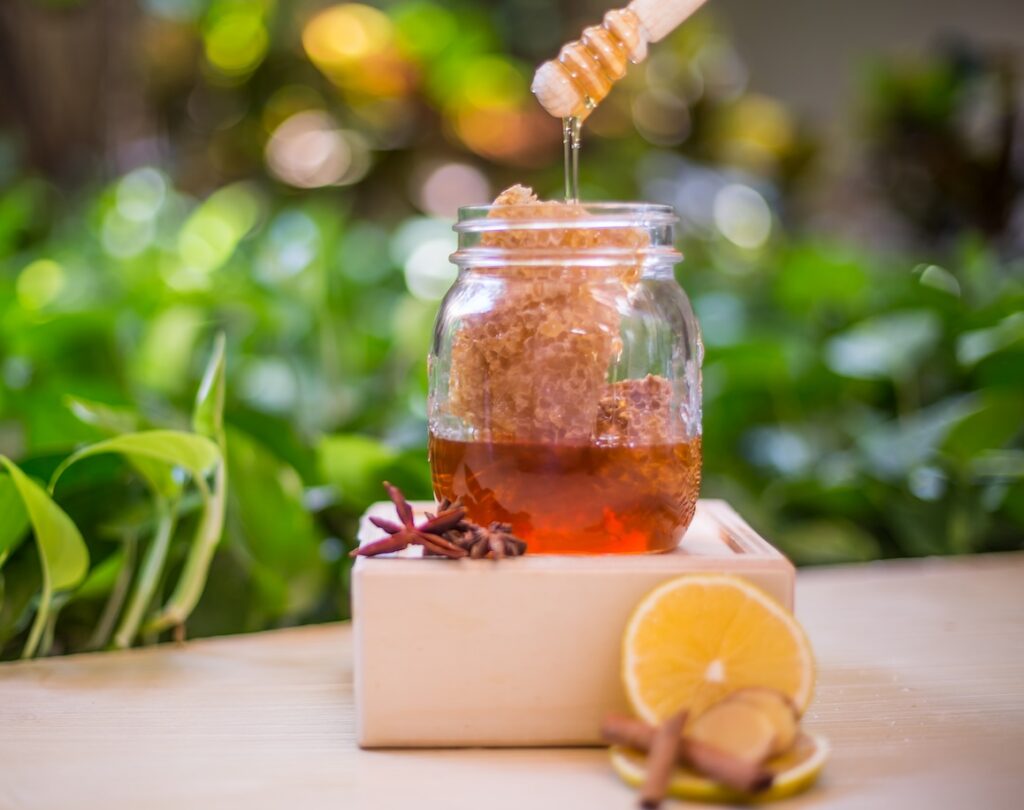
Replacing generic wedding favors with locally made edible gifts is a thoughtful gesture that is always appreciated. You can leave small boxes of regional specialties in your guests’ rooms or present them at the end of the evening. A jar of locally harvested organic honey, a selection of sea salts infused with dried chilies, freshly roasted high-altitude coffee beans, a small bottle of artisanal spirits, or single-origin chocolate bars allow your loved ones to bring a taste of the destination home. Days after the celebration, they can prepare a cup of coffee or raise a glass while reminiscing about the moments they shared at your wedding.
Ultimately, choosing regional cuisine for your destination wedding is a statement of values. It means choosing authenticity over extravagance and celebrating the present through a meaningful connection with the place you have chosen to begin a new chapter together.
By honoring the flavors of the land that welcomes you, you give your guests an extraordinary experience that will stay with them long after the last candle at the reception has gone out!