Monarch butterflies, the bold travelers of winter
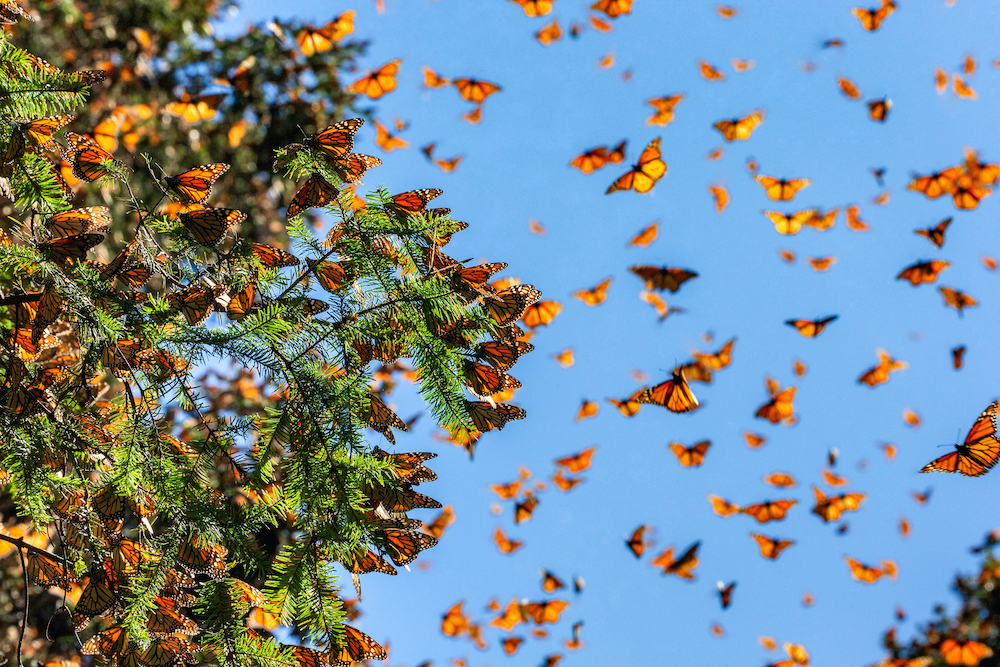
Long before Canadian and American snowbirds adopted the habit of fleeing the polar vortex for the Mexican sun, nature already had its own elite travelers. Every autumn, millions of monarch butterflies embark on a transcontinental odyssey from North America to the temperate forests of central Mexico.
If you ever thought your layover flight was exhausting, the feat of these intrepid visitors will take your breath away.
The secret of monarch butterflies
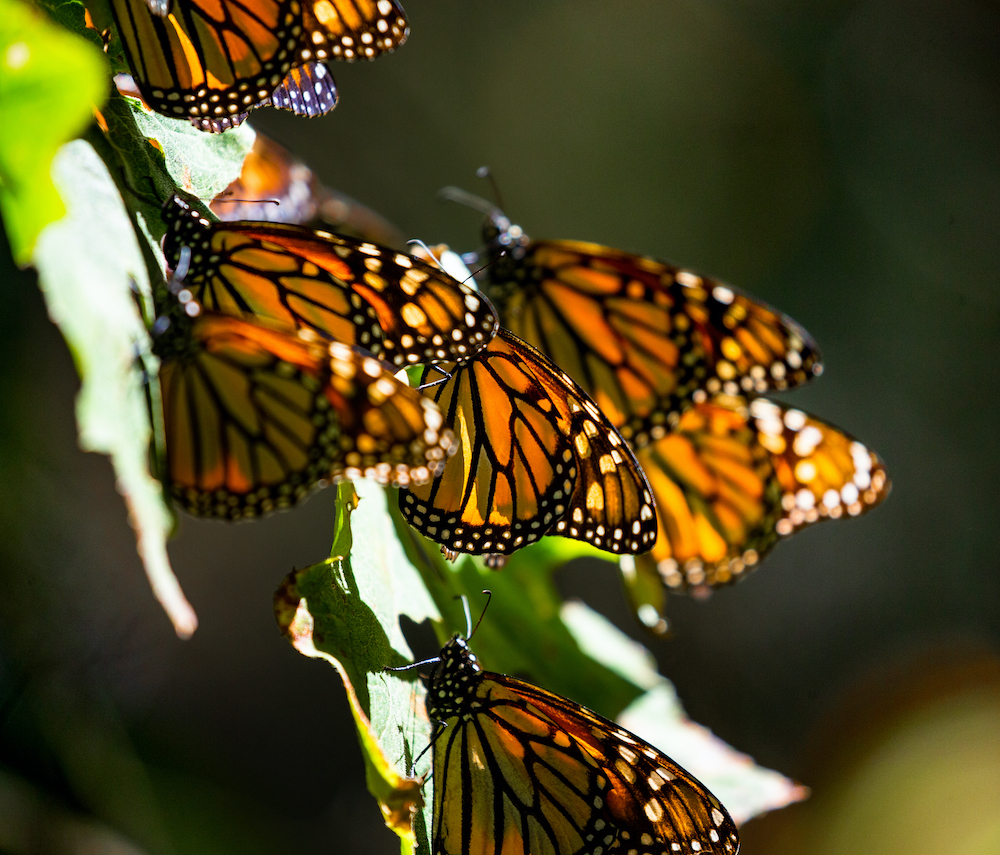
How is it possible for these 0.98-inch-long travelers to cover more than 2,485.48 miles to reach their hibernation grounds in Mexico? Although an adult butterfly’s lifespan lasts 4 to 5 weeks, between September and October a special type of monarch is born that can complete the round-trip migration: the Methuselah generation.
Unlike spring and summer monarchs, this generation can live up to 9 months. Each autumn, they begin their flight from east of the Rocky Mountains, in southern Canada and much of the United States, to reach the mountains of Michoacán and the State of Mexico.
Monarch butterflies in Mexican culture
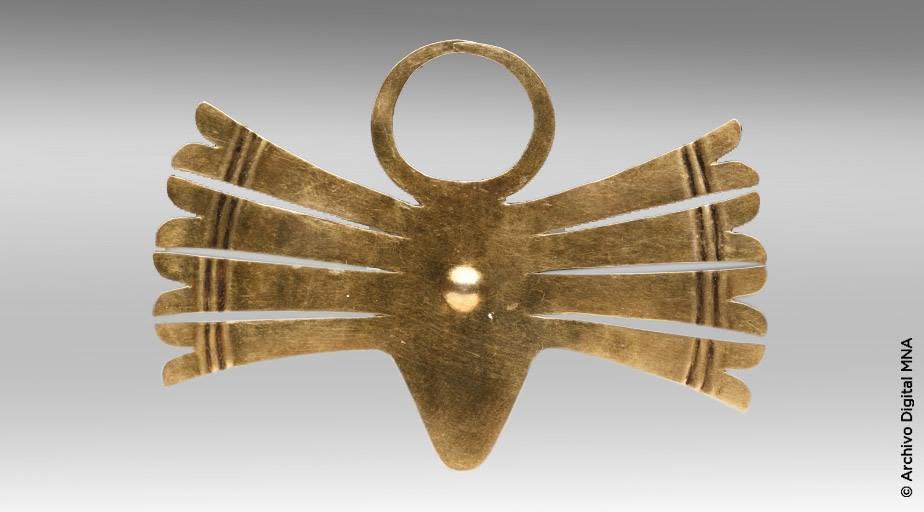
via Museo Nacional de Antropología
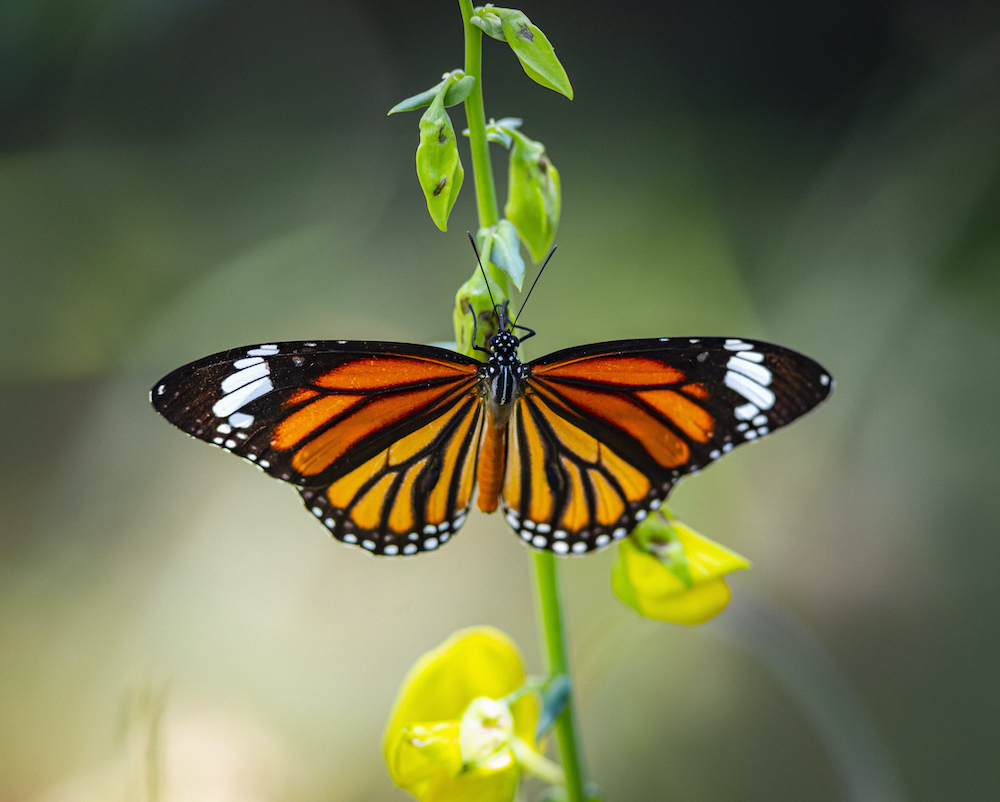
Since pre-Hispanic times, butterflies have been protagonists in the mythology, art, and ornamentation of various indigenous civilizations in Mexico. Their metamorphosis and delicate fluttering turned them into natural emblems of transformation and mysticism.
According to the National Wildlife Federation, the Purépecha people in Michoacán and the Mazahua people in the State of Mexico believed that these winged insects were closely linked to the spirit of the forest and the return of the souls of the departed.
Interestingly, this ancestral worldview originated around small white butterflies. Over time, however, the punctual arrival of monarch butterflies in early November became intertwined with Day of the Dead traditions.
Today, their unmistakable orange-and-black silhouette is an icon of the season: these travelers not only conquer the oyamel fir forests, but also fill parades, festivities, and altars across the country with symbolism.
Where to see monarch butterflies?
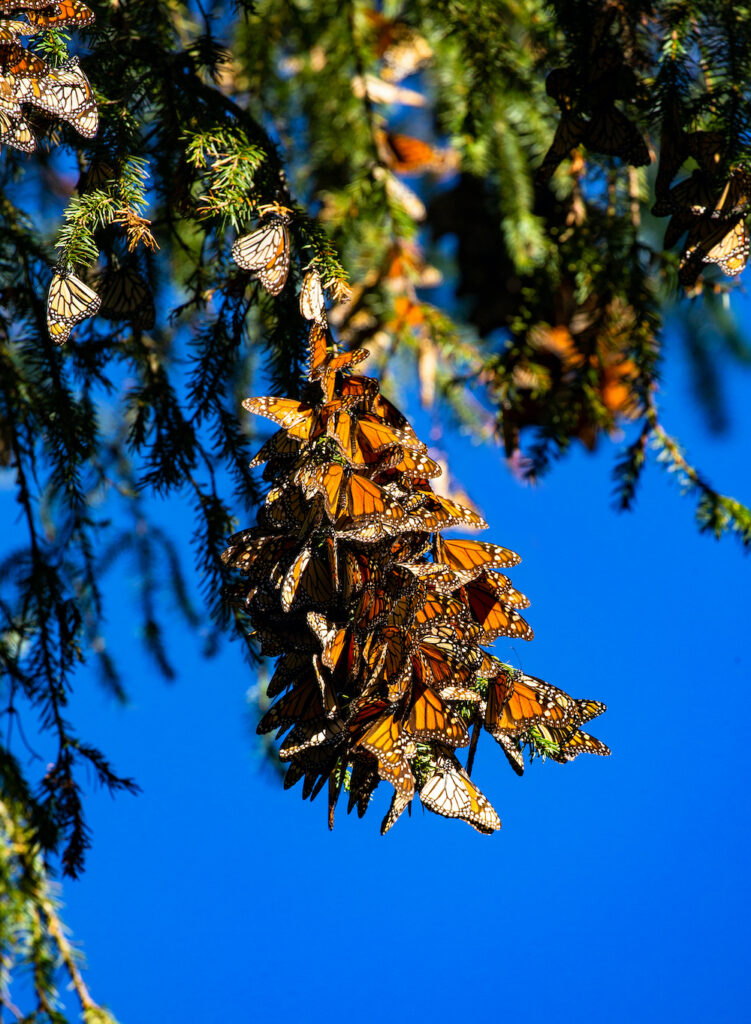
Witness the grandeur of the monarch butterflies from November to March. You can visit one of the sanctuaries in the Monarch Butterfly Biosphere Reserve. Declared a UNESCO World Heritage Site, it spans 139.2 acres of oyamel fir and pine forests in Michoacán and the State of Mexico. Among the most prominent are:
- El Rosario Sanctuary, Michoacán: The largest, most visited, and most impressive sanctuary, located near the Pueblo Mágico of Angangueo.
- Sierra Chincua, Michoacán: Ideal for scenic hikes with panoramic mountain views.
- Piedra Herrada, State of Mexico: A short distance from Valle de Bravo, perfect for ascending on foot or on horseback.
How to care for monarch butterflies during your visit?
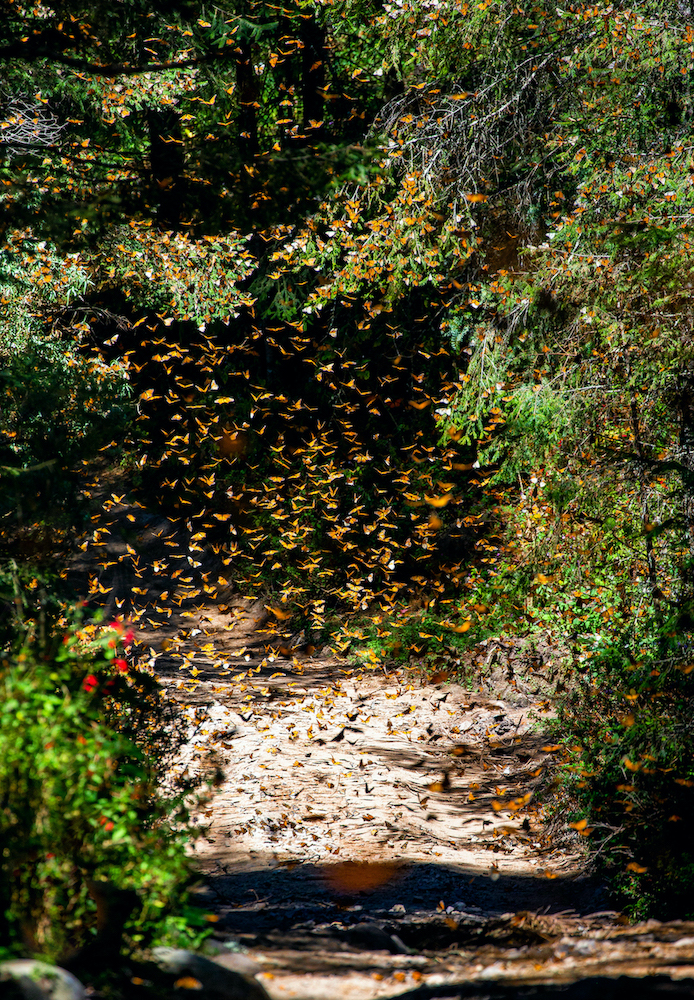
Like any good host welcoming distinguished guests, responsible ecotourism is essential to preserving their habitat:
- Do not touch them and watch your step: If you see butterflies on the ground, they are resting or regulating their body temperature; do not try to pick them up or take them with you.
- Keep quiet and do not use flash: Remember that the butterflies are hibernating. Let them rest.
- Stay on authorized trails: Respect restricted areas, avoid taking anything from the forest, and do not litter.
- Leave your pets at home.
Witnessing the monarch butterfly sanctuary blanketed in gold and listening to the soft murmur of millions of wings beating in unison is a reminder of our planet’s majesty. On your next winter getaway, give yourself the opportunity to reconnect with Mexico’s most astonishing nature.