Day of the Dead: When Mexico celebrates through music and dance
Few celebrations express Mexico’s identity with as much vitality as Day of the Dead. Recognized by UNESCO as an Intangible Cultural Heritage of Humanity, this tradition brings together aromas, flavors, colors, and sounds to honor the memory of those who have passed.
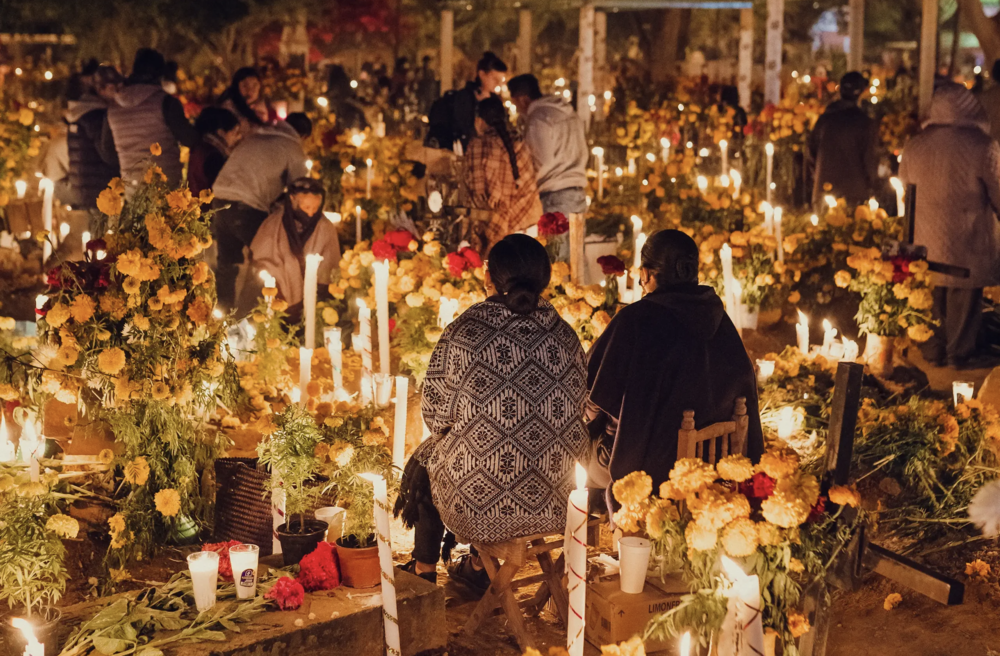
Candles illuminate intricate altars, marigolds fill spaces with brilliant color, and the fragrance of copal incense accompanies a celebration where memory transforms into a living experience.
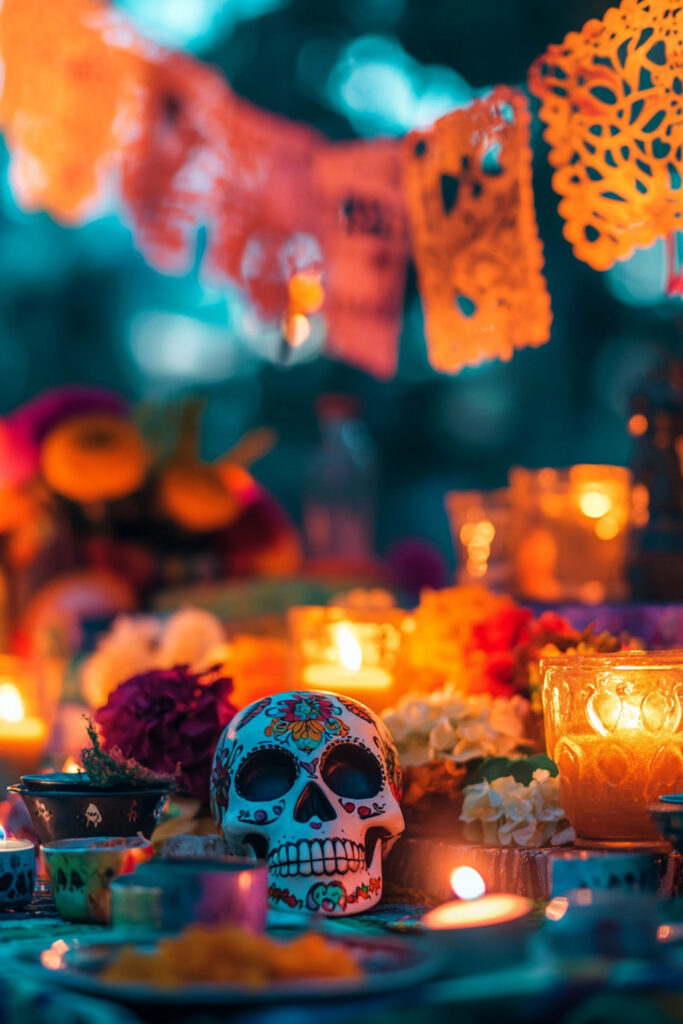
Among all these elements, music and dance occupy a deeply meaningful place.
Across Mexico, the sounds, songs, and movements of dancers accompany the festivities, reflecting a unique way of understanding life, death, and the enduring bond with ancestors.
Music as a bridge between memory and the present
Music has accompanied death traditions since pre-Hispanic times. Over the centuries, these ancient expressions merged with European influences, giving rise to new ways to experience and represent this heritage.
During night vigils in regions like Michoacán, Oaxaca, and the Huasteca, music takes on an intimate and solemn character. Violins, guitars, jaranas, and traditional instruments accompany long nights beside candlelit graves, creating an atmosphere that invites quiet reflection and cherished memories.
Yet Day of the Dead also makes space for joy.
In many households, playing a departed loved one’s favorite tunes is an essential part of the honoring ritual. Melodies, songs, and traditional sones help keep their personality, tastes, and shared moments alive.
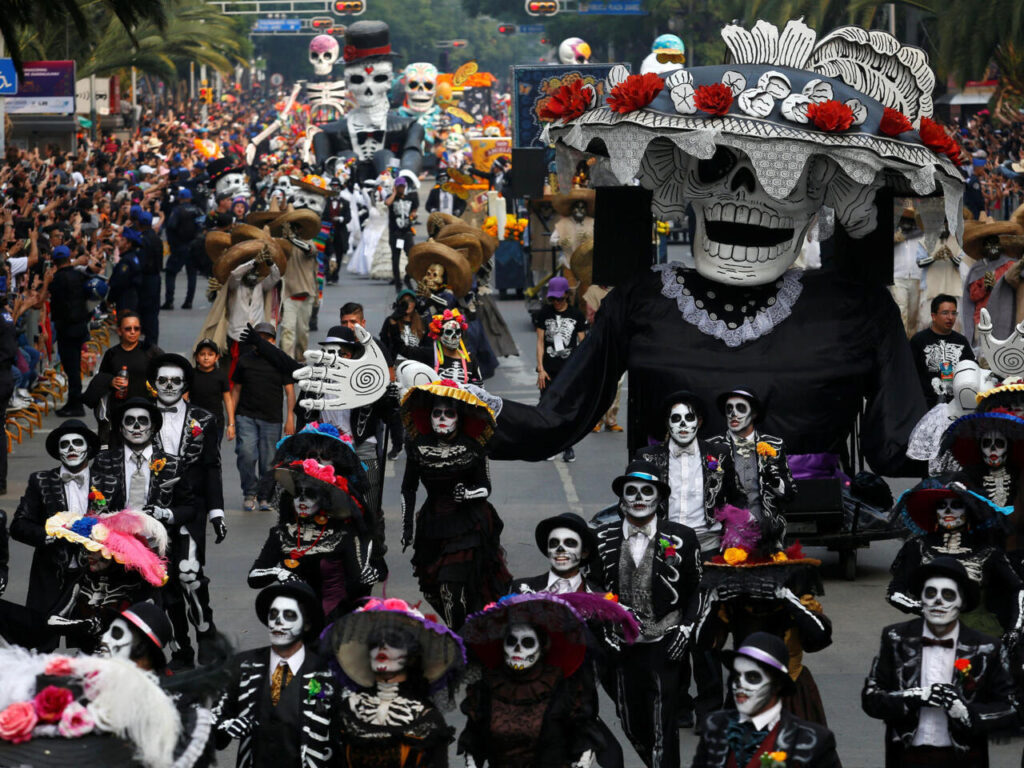
Remembering can also be a profound celebration of life.
Dances that tell ancestral stories
If music gives sound to memory, dance converts it into physical movement.
The dance expressions that accompany Day of the Dead festivities vary by region. Each one reflects the history, customs, and identity of the communities that keep them alive.
In Michoacán, particularly among the Purépecha communities surrounding Lake Pátzcuaro and the island of Janitzio, the Danza de los Viejitos (Dance of the Old Men) is one of the most recognized expressions. Although performed during various festivities throughout the year, it acquires a special resonance during this season.
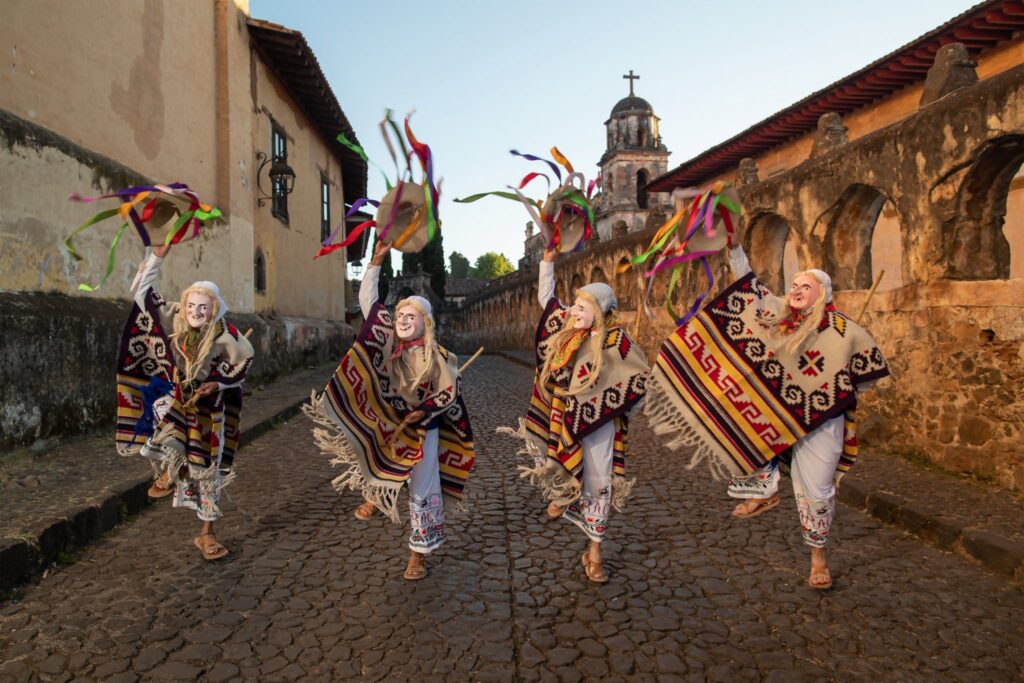
Dancers wearing traditional handwoven linen attire, colorful sarapes, and wide-brimmed hats adorned with ribbons begin with stooped, deliberate movements evoking old age, before gradually transforming their steps into an energetic, rhythmic zapateado.
The result is a spirited celebration of life, wisdom, and the passage of time.
In the Huasteca region, which spans parts of San Luis Potosí, Veracruz, Hidalgo, and Querétaro, the celebration known as Xantolo brings together music, carved masks, and dance in one of the season’s most iconic traditions.
Processions of masked dancers known as huehues sweep through local communities accompanied by the traditional trío huasteco. Their rhythmic footwork on wooden platforms marks the beat of a collective celebration where the living and the departed meet as one.
Pirekuas, sones, and mariachi sounds that keep tradition alive
Mexico’s musical richness also reveals itself in its diverse ways of singing and storytelling.
In Michoacán, the pirekua, a traditional song of the Purépecha people, accompanies family gatherings and nocturnal vigils. Sung in Purépecha or Spanish, its lyrics address universal themes such as love, nature, connection to the land, and ancestral memory.
Its gentle, unhurried melodies create an intimate dialogue during nighttime vigils, when cemeteries glow under thousands of candles as families gather to honor their departed.
In other central and western regions, traditional mariachi brings a different energy to the occasion. Violins, vihuela, guitarrón, and harp accompany lively sones during family gatherings and altar dedications.
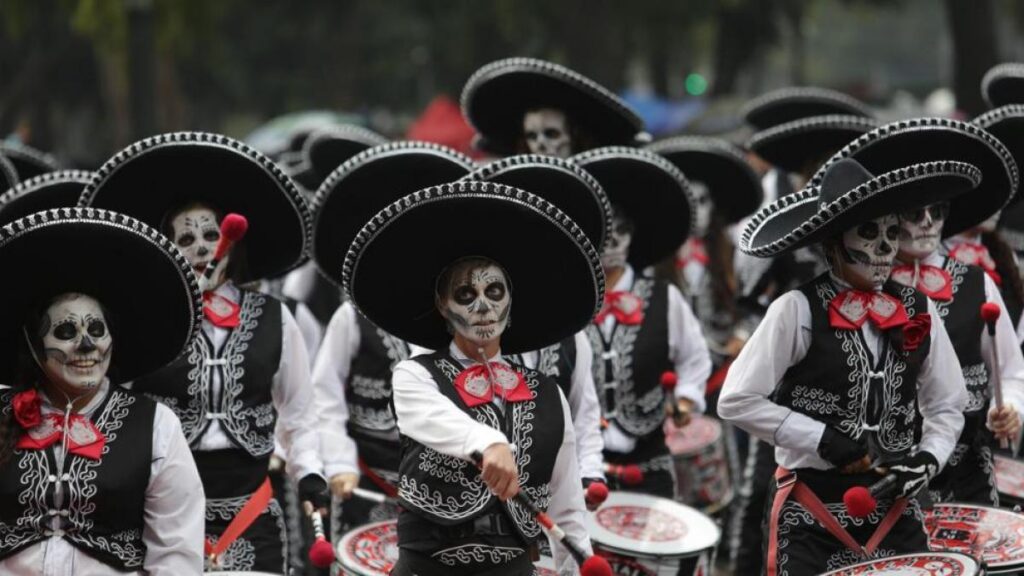
Beyond their regional differences, these expressions share an essential purpose: preserving cherished memories through sound.
When art is woven into tradition
Music and dance do not exist in isolation. The attire, hand-carved masks, and ceremonial objects that accompany the dancers are vital parts of each community’s story.
Intricately embroidered textiles, woven hats, flowing ribbons, and brass bells add motion and sound to every step. In many traditional dances, local artisans handcraft the attire using techniques passed down through generations.
Masks, meanwhile, completely transform the dancer’s persona. Depicting elder faces, mythical figures, or festive characters, these artistic creations add a theatrical dimension, turning cobblestone streets, plazas, and community spaces into living stages.
Every detail reflects a sense of place and a living history.
A living tradition that continues to evolve
Perhaps one of the greatest riches of Day of the Dead is its capacity to remain vibrant and evolving.
New generations continue learning songs, dances, artisanal crafts, and ceremonial practices passed down within families. At the same time, these traditions find new platforms to share their beauty with travelers who seek to discover Mexico beyond its landscapes.
Engaging with Day of the Dead music and dance means connecting directly with the communities that sustain them. It offers an opportunity to hear their stories, appreciate their artistry, and see cultural heritage not as a relic of the past, but as a living art that continues to evolve in the present.
Celebrating memory through performance and art
Day of the Dead reminds us that memory can be expressed in countless ways.
It can be found in a framed photograph upon an altar, in the fragrance of fresh marigolds, in a melody someone once loved, or in the dance steps learned from grandparents.
During these days, Mexico transforms remembrance into music, movement, color, and meaningful celebration.
Perhaps one of this tradition’s profound lessons is that remembering those who have passed does not mean ceasing to celebrate life. It means keeping alive everything we shared with them.
In Mexico, people sing, dance, and celebrate memory.
Discover Mexico during the Day of the Dead season and immerse yourself in the authentic expressions that make this cultural celebration one of the world’s most fascinating traditions.