Mexican tepache and its place in contemporary mixology
When you think of Mexico’s most iconic spirits and libations, your mind almost certainly goes to the smoky depths of artisanal mezcal or the crisp, mineral profile of high-purity blanco tequila. Yet within the country’s vast culinary landscape lies an intimate, time-honored tradition that rewards discerning travelers who possess an appetite for genuine discovery. If you have ever strolled through the historic quarters of Mexico City, the cobblestone avenues of Oaxaca, or the coastal hamlets of Jalisco and Nayarit, you may have glimpsed wide wooden barrels wrapped in clean canvas cloths. Inside, an amber liquid rests over crushed ice, topped with a delicate, fragrant foam. This is tepache, a beloved ancestral specialty currently experiencing a remarkable renaissance in global luxury hospitality.
For generations, casual observers dismissed this beverage as a humble street-market curiosity. However, in luxury travel and modern leisure, true value is found in rediscovering cultural authenticity through a contemporary, elevated lens. Today, Mexican tepache commands the spotlight among award-winning mixologists and visionary chefs who champion native heritage, seasonal provenance, and low-waste kitchen craft. By exploring its origin story, tasting profile, and seamless affinity for fine spirits, you discover a refined dimension of Mexican gastronomy best savored by the glass.
The heritage of an elixir born from sacred maize
To grasp the character of authentic tepache, you must step beyond the prevailing assumption that it has always centered on tropical fruit. Long before European caravels anchored in coastal waters, Mesoamerican civilizations cultivated a deep reverence for botanical transformations, viewing them as deliberate gifts from nature.
The term comes from the Nahuatl word tepiatl, an elegant compound of tepitl, meaning tender or cracked maize, and atl, meaning water. In pre-Columbian philosophy, corn was far more than an agricultural staple; it represented the foundational matter from which the gods shaped humanity and served as the eternal axis of daily existence. Nahua communities, along with indigenous cultures across western and northern Mexico such as the Wixárika and Rarámuri, made gentle infusions by steeping crushed corn in pure spring water.
The resulting brew provided restorative vitality for agricultural workers laboring beneath the afternoon sun, while also anchoring ceremonial gatherings of harvest and gratitude. Those primordial preparations offered clean, vibrant acidity and nearly negligible alcohol, designed to replenish energy and sustain well-being without clouding the senses.
The pivotal evolution toward the golden creation you savor today unfolded across the sixteenth century, sparked by newly forged maritime trade corridors and the dawn of the colonial period. Two external agricultural elements forever transformed the recipe. First, the arrival of sugar cane led to the widespread crafting of piloncillo, raw, unrefined cane sugar pressed into solid conical molds that deliver deep, complex layers of molasses, toasted toffee, and warm caramel. Second, pineapples, originally native to South American river basins, found ideal volcanic soil and gentle maritime breezes in the fertile coastal valleys of Veracruz, Tabasco, and Nayarit, where they grew with extraordinary succulence and concentrated natural sweetness.
Indigenous and colonial households swiftly recognized that pineapple rinds and fibrous cores possessed rich natural sugars and robust indigenous yeasts. By steeping these fruit elements in mountain water alongside piloncillo and aromatic spices arriving on Pacific galleons, such as Ceylon cinnamon sticks and whole cloves, they observed a spontaneous natural alchemy. The result was far more fragrant, bright, and refreshing than ancient corn infusions. Across decades of culinary evolution, this harmonious cross-cultural recipe established the benchmark for traditional Mexican tepache.
Traditional artisanal craftsmanship and sensory profile
Appreciating a truly memorable glass of tepache requires understanding the measured patience it takes to produce. This is not an industrial soda laden with artificial extracts or synthetic sweeteners, nor is it an elixir you can rush into existence. It is an evolving, living beverage where ambient climate, natural timing, and premium raw ingredients dictate every aromatic nuance that reaches your glass.
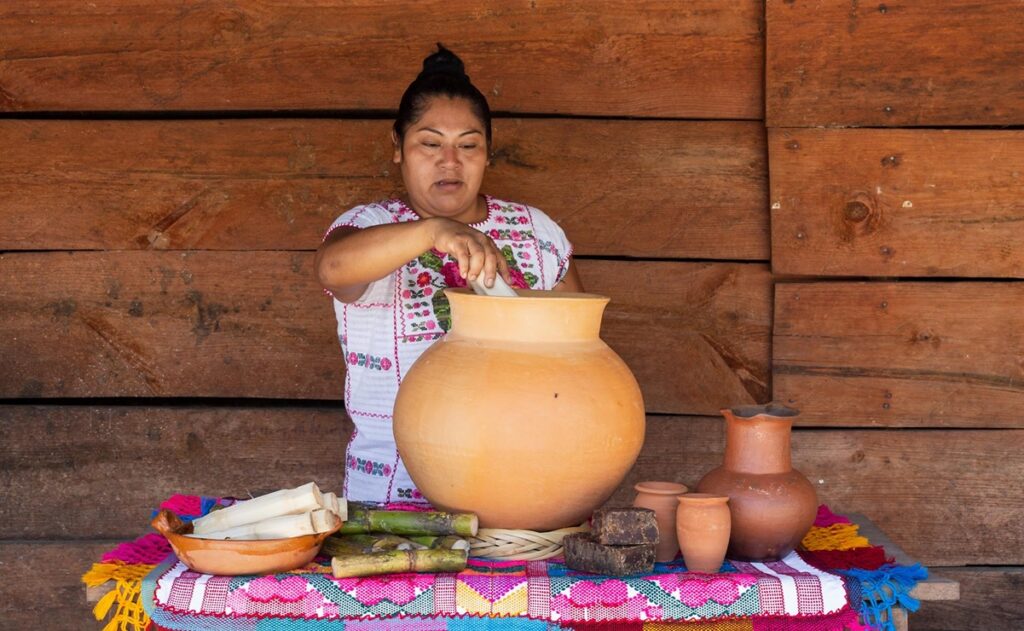
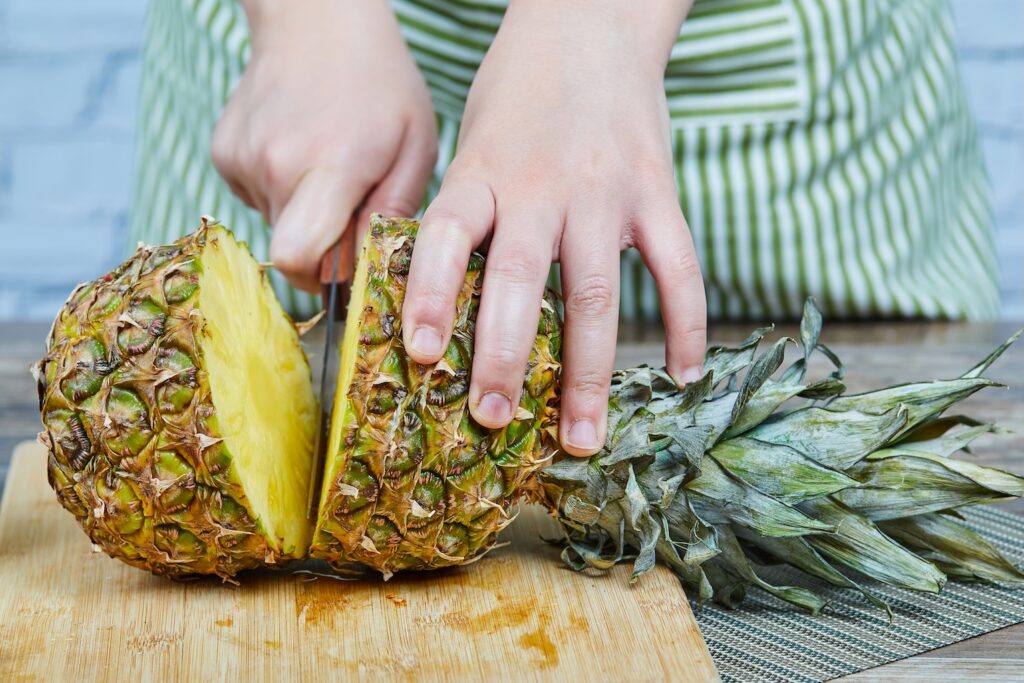
The craft begins with the rigorous selection of perfectly ripe, organically farmed pineapples. Because the wild yeasts and beneficial flora responsible for the transformation live on the exterior peel, the fruit must remain pristine and free of synthetic agricultural treatments. In meticulous kitchens, artisans use thick rinds, generous segments of sweet pulp, and the fibrous core, arranging them in traditional oak barrels or unglazed clay vessels that lend each batch subtle mineral undertones.
Pour pure water over the fruit, then add freshly grated cones of dark piloncillo. This unrefined cane sugar serves two essential functions: it imbues the liquid with profound notes of roasted cane and wild honey, while nourishing the native microorganisms naturally inhabiting the pineapple skin. Over a period that generally spans forty-eight to seventy-two hours, depending on regional ambient humidity and coastal warmth, these natural agents steadily transform the sugars. Throughout this silent transformation, a delicate golden froth crowns the liquid, accompanied by a soft, continuous effervescence.
Here lies the master artisan’s supreme skill: identifying the precise moment to halt the cycle. If drawn off too early, the mixture stays heavy, syrupy, and overly sweet; if left an hour too long, it quickly becomes an assertive, highly acidic fruit vinegar.
When drawn at its sensory zenith, tepache unveils striking sophistication. In the glass, it radiates a luminous honeyed hue with warm amber undertones. On the nose, it unfolds captivating aromas of caramelized fruit, raw cane sugar, fragrant citrus oils, and seasoned wood, all underpinned by a gentle whisper of toasted baking spices.
On the palate, it delivers an ethereal, natural effervescence. Zesty, invigorating acidity cuts through rich cane molasses, leaving a crisp, remarkably clean finish that lingers pleasantly without cloying weight. Its natural alcohol volume remains wonderfully modest, typically hovering between 1 and 2 percent, so you can enjoy it freely in the sun as an elevated daytime refresher.
Digestive wellness and natural botanical vitality
In an era when seasoned global travelers prioritize holistic wellness alongside gastronomic indulgence, craft tepache stands out on its own merits. Long before modern nutritional science popularized functional tonics or live-culture refreshments, ancestral communities recognized the restorative qualities inherent in this wild botanical brew.
Because traditional tepache is served unpasteurized and freshly prepared, it preserves active, beneficial microorganisms that support a flourishing digestive environment. Enjoying a chilled glass before or after a decadent multi-course meal makes an exceptional digestive companion, easing fullness and encouraging comfortable digestion.
Bromelain, a specialized enzyme complex native to pineapples, further enhances this natural benefit by breaking down complex proteins and supporting natural anti-inflammatory pathways. Moreover, pairing raw fruit peel with unrefined cane delivers bioavailable vitamin C, protective antioxidants, and vital trace minerals such as potassium and magnesium. The result is a vibrant, sophisticated lifestyle alternative to conventional beverages, offering deep hydration and organic revitalization in one elegant pour.
Tepache across premier international cocktail lounges
For decades throughout the twentieth century, tepache remained an intimate national treasure, quietly savored during warm afternoons in historic town squares or passed down through closely guarded family recipes. However, over the past decade, the worldwide cocktail renaissance has turned toward terroir-driven ingredients and sustainable bar programs, elevating this dynamic recipe to the global stage.
World-renowned bar directors continually seek narrative-rich components that add genuine complexity without relying on commercial cordials. In this arena, tepache provides incomparable versatility. Its spirited acidity and velvety body let mixologists craft nuanced, multifaceted cocktails with less refined sugar and fewer added citrus juices. At the same time, it embodies the philosophy of root-to-stem and zero-waste dining, turning wholesome fruit trimmings into the star of the beverage menu.
In trendsetting cocktail lounges across London, Tokyo, Manhattan, and Mexico City, tepache pairs effortlessly with character-rich spirits. When matched with an artisanal, smoke-kissed mezcal, the caramelized sweetness of roasted pineapple creates an extraordinarily balanced, round finish. With clean blanco or softly aged reposado tequilas, it accentuates the vegetal, peppery notes of blue Weber agave.
Even alongside aged rums, botanical gins, or French aperitifs, it adds an energetic dimension of natural fruit character that conventional club sodas or synthetic mixers can never replicate. The historic golden liquid that once rested quietly in market barrels now appears in exquisite lead-free crystal at the world’s most acclaimed cocktail bars.
Tepache & Traditions at Grand Velas Riviera Nayarit
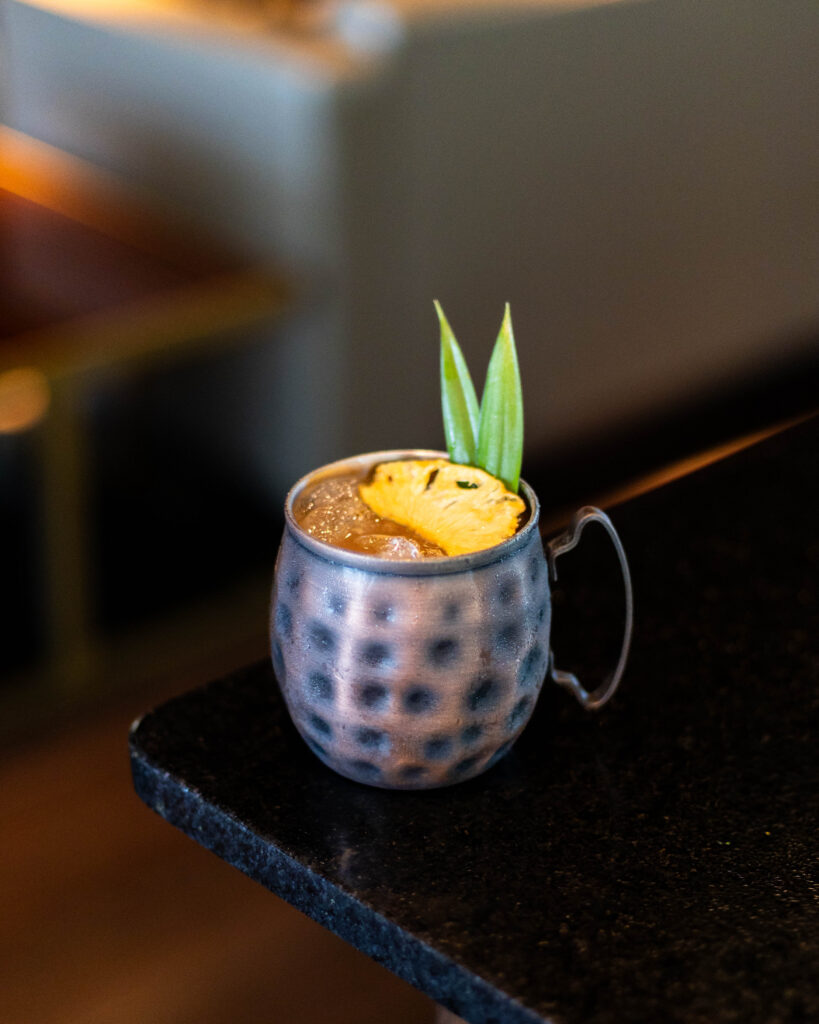
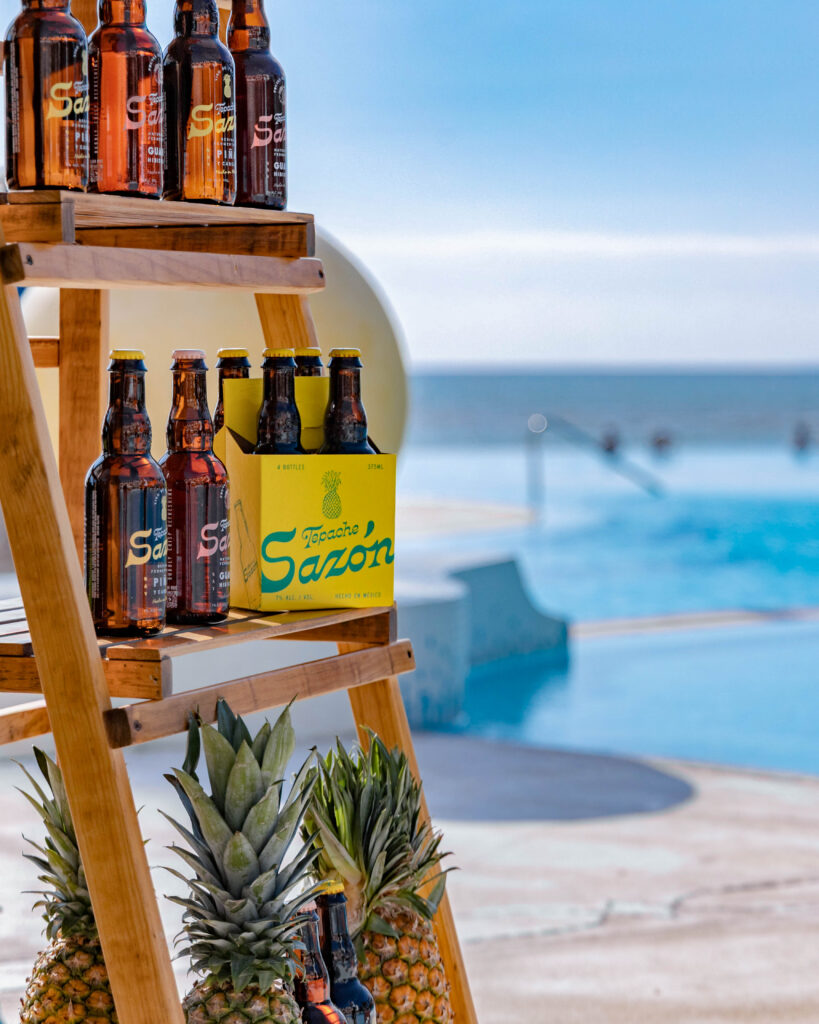
Appreciating the heritage of a storied regional beverage becomes even more memorable in an environment of barefoot luxury and attentive hospitality. Renowned for celebrating Mexican culinary arts through progressive, imaginative concepts, Grand Velas Riviera Nayarit introduces Tepache and Traditions, an exclusive program that invites you to experience this ancestral treasure directly along the ocean’s edge.
This creative initiative grew out of the vibrant energy surrounding the resort’s annual Mexology Fest, an exclusive coastal gathering that brings together leading craft distillers, acclaimed guest bartenders, and passionate cocktail enthusiasts. During a standout showcase, a collaboration between boutique producer Tepache Sazón and Licorería Limantour—a perennial icon on global best-bar rankings—showed how effortlessly artisanal tepache belongs at the highest tier of modern hospitality. Inspired by that warm reception, the resort expanded the concept into an ongoing, curated luxury guest experience.
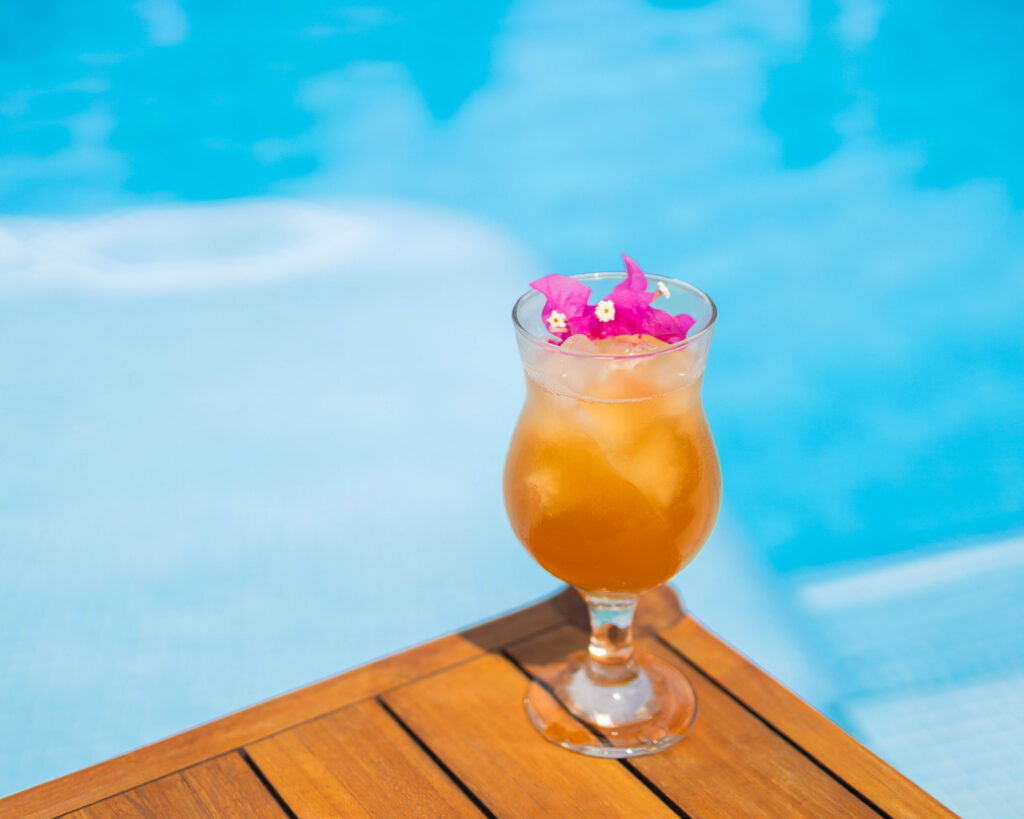
Throughout sun-drenched afternoons beside the multi-tiered infinity pool, you can explore refreshed interpretations of classic profiles while gazing across the blue waters of Banderas Bay. The pop-up lounge introduces nuanced flavors that enrich the classic pineapple base with sun-ripened local guava and regional citrus.
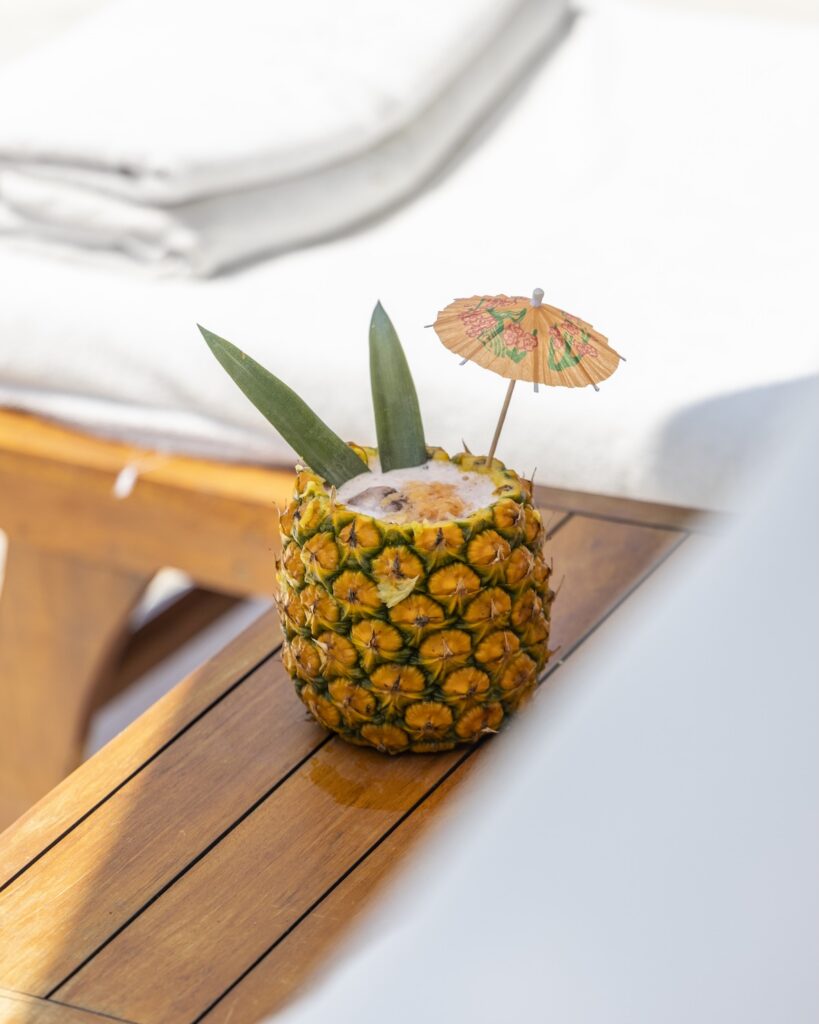
The visual presentations are equally striking. You can enjoy refreshing signature libations served in freshly hollowed whole pineapples, or pair your poolside afternoon with house-made gourmet fruit paletas that blend traditional Mexican street-cart nostalgia with five-star luxury flair.
As the sun sets over the Pacific, the tribute shifts seamlessly into the stylish nocturnal ambiance of Koi Bar, the resort’s premier craft cocktail haven. Here, talented bartenders craft two exclusive signature creations built on artisanal pineapple tepache fermented in-house in the resort’s fine-dining kitchens. These evening cocktails layer lively fermented fruit notes with small-batch Mexican spirits, artisanal bitters, and fresh garden botanicals, showcasing meticulous technique and deep respect for regional agriculture.
Through the curated Tepache & Traditions Experience, Grand Velas Riviera Nayarit underscores that ultimate luxury doesn’t mean adopting imported aesthetics, but mastering the authentic roots that give a culture its identity. By honoring a legacy that began centuries ago in Mesoamerican clay vessels and presenting it with flawless hospitality beside the Pacific, the resort offers you an unforgettable journey through the living soul of Mexico.