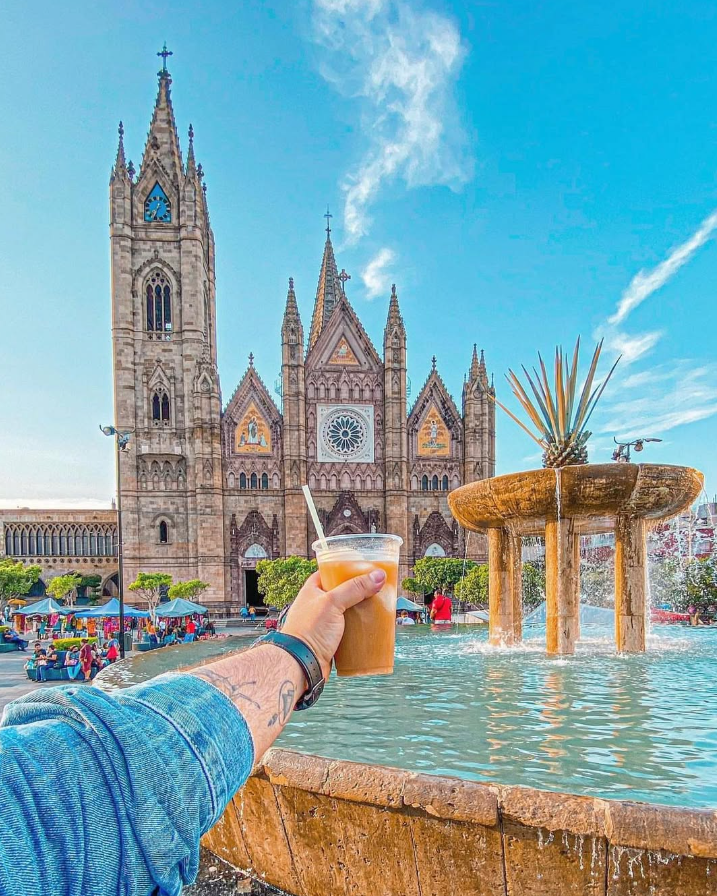
The flavor of tradition: Fermented drinks of Mexico
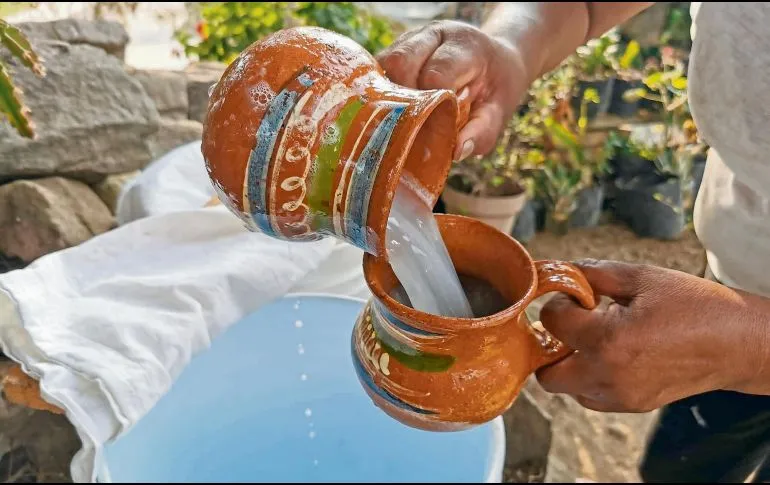
Long before cocktail bars and signature drink menus existed, Mexico had already discovered one of gastronomy’s most fascinating transformations: fermentation. For generations, communities across the country have turned ingredients such as agave, corn, pineapple, and honey into beverages that tell stories of place, history, and culture.
Some were born as part of ceremonies and celebrations; others became part of everyday life and gatherings around the table. Yet they all share something essential: time as an ingredient.
In Mexico, fermentation is more than simply transforming an ingredient. It is a way of preserving tradition.
The art of transforming time
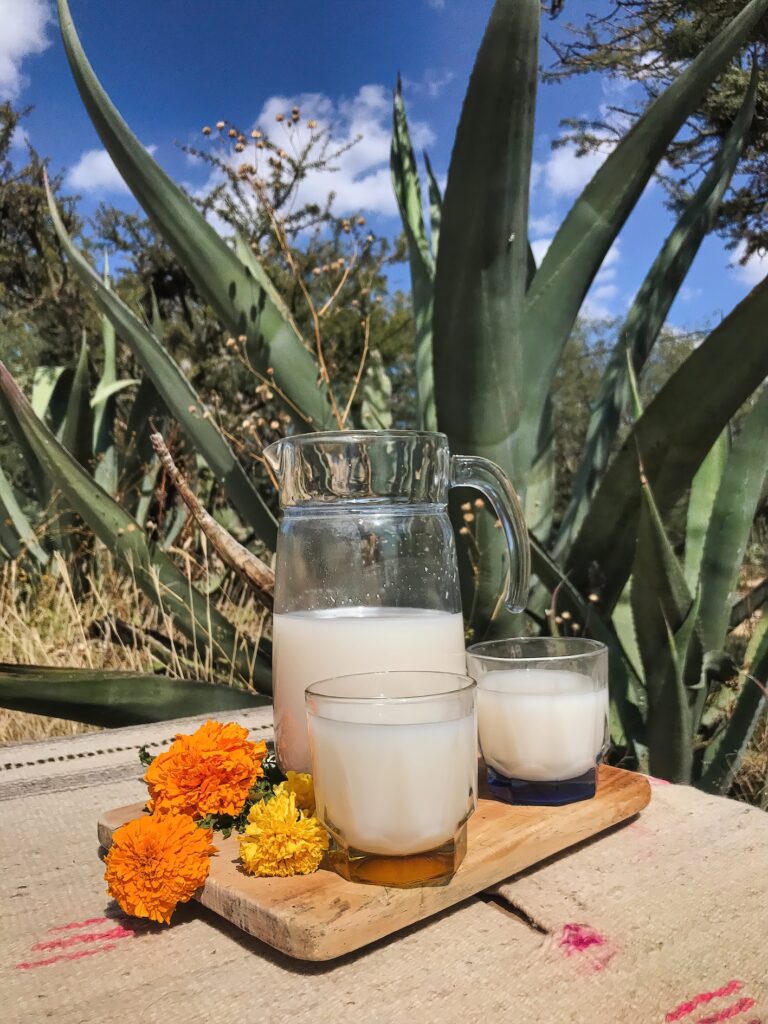
Fermentation is one of the oldest processes used by cultures around the world, and Mexico is home to an extraordinary diversity of beverages created through this ancient practice.
The result depends on the ingredient, the region, the climate, and, above all, the knowledge passed down from one generation to the next.
Behind every beverage lies a different story: plants that are part of the landscape, family recipes, ancestral techniques, and a deep connection to the land.
Here, every sip offers a small taste of Mexico’s extraordinary gastronomic heritage.
Beverages that tell stories
Pulque
One of Mexico’s most iconic fermented beverages, pulque is made from the fermented sap, or aguamiel, of the maguey plant. Its history dates back to pre-Hispanic times.
With a slightly thick texture and distinctive flavor, pulque has been associated for centuries with celebrations, rituals, and traditions among communities throughout central Mexico.
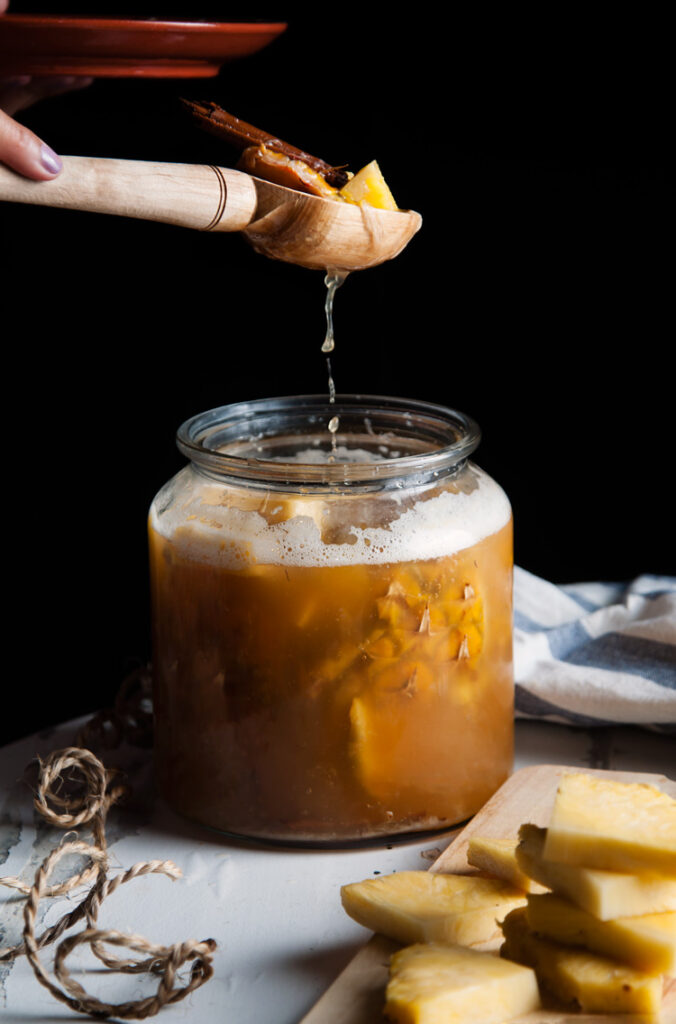
Tepache
Fresh, lightly sweet, and distinctly tropical, tepache is traditionally made by fermenting pineapple peels with water and piloncillo, although countless variations can be found throughout Mexico.
Its refreshing character has made it one of the country’s most recognizable traditional beverages.
Tejuino
Originating in western Mexico, tejuino places corn at the heart of the experience. It begins with a corn-based mixture that is allowed to ferment before being served chilled, traditionally with lime and, in some regions, a scoop of lime sorbet.
It is deeply connected to the popular gastronomy of states such as Jalisco and Nayarit.
Pozol
In southeastern Mexico, particularly in Tabasco and Chiapas, pozol is part of a deeply rooted culinary tradition.
Primarily made from nixtamalized corn dough, it can be enjoyed in its natural form or blended with cacao. Beyond being refreshing, it has historically been associated with nourishment and everyday life in many local communities.
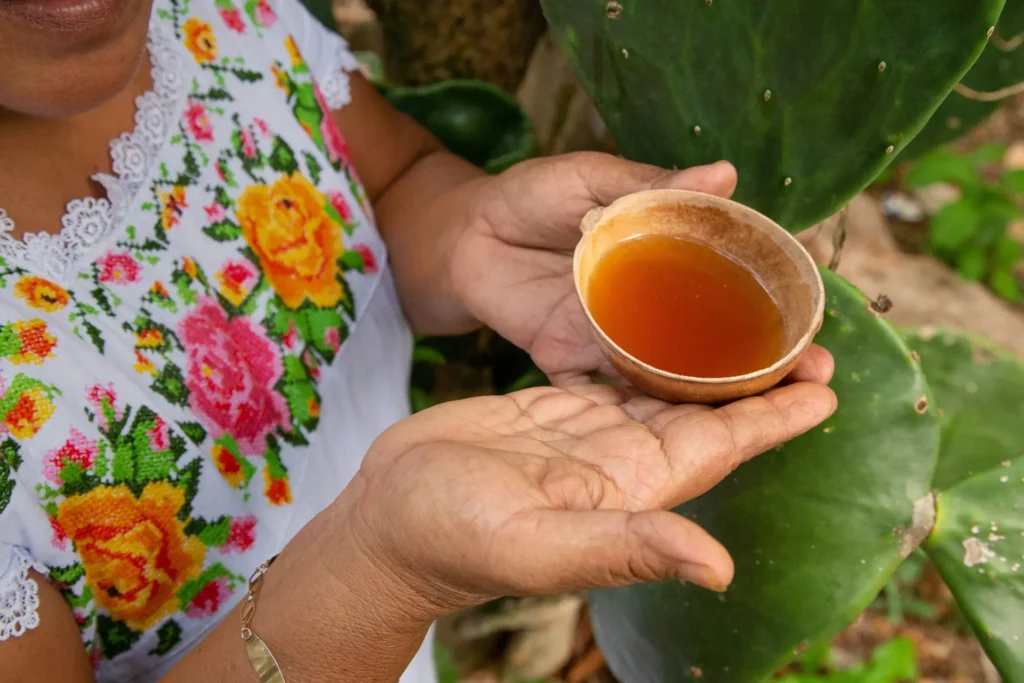
Colonche
Found in regions of central and northern Mexico, colonche is made by fermenting the juice of red prickly pears.
Its vibrant color and fruity character make it one of the country’s most distinctive fermented beverages, particularly in areas where nopal cacti and prickly pears are abundant.
Balché
In the Maya world, some fermented beverages held a meaning that went far beyond gastronomy.
Balché, a traditional beverage of the Maya region, is made from the bark of the balché tree and honey, fermented. Its history is closely connected to ceremonial practices and ancestral knowledge.
When the ancestral meets the contemporary table
Modern Mexican gastronomy has found in these beverages a rich source of inspiration. Chefs, mixologists, and contemporary culinary projects are reinterpreting them through pairings, cocktails, and gastronomic experiences that seek to rediscover traditional ingredients and techniques from a contemporary perspective.
Pulque can become the centerpiece of a pairing. Tepache can serve as the foundation of a cocktail. Corn can travel from an ancestral kitchen into a contemporary culinary experience.
Tradition does not disappear. It evolves.
The luxury of authenticity
In a world constantly searching for what is new, there is a particular kind of luxury in returning to what is essential.
Discovering a traditional Mexican fermented beverage means uncovering a story that may span centuries. It means tasting an ingredient in one of its most authentic forms and recognizing the knowledge of those who have kept these traditions alive. Because true gastronomic luxury is not always found in sophistication; sometimes, it is found in a recipe that has survived generations, in an ingredient that belongs to a particular territory, or in a technique that continues to be passed from one person to another. And in that moment, a single sip brings us closer to the history of a place.
Mexico is not only discovered through its landscapes; it is also discovered at the table. And some of its oldest stories begin with something as simple as allowing time to work its magic.