A journey through Mexico’s stadiums for the upcoming World Cup

Football, in its highest expression, is more than a sport; it is a choreography of passion that finds its sanctuary in monumental architecture. For the upcoming global stage, Mexico is preparing to welcome the World Cup with unprecedented innovation. This is not merely about attending a match, but about immersing oneself in an experience where history, cutting-edge design, and hospitality converge. From the heights of the capital to the dynamism of the north, Mexico’s stadiums are set to impress all soccer fans.
The renaissance of a giant: Banorte Stadium in Mexico City
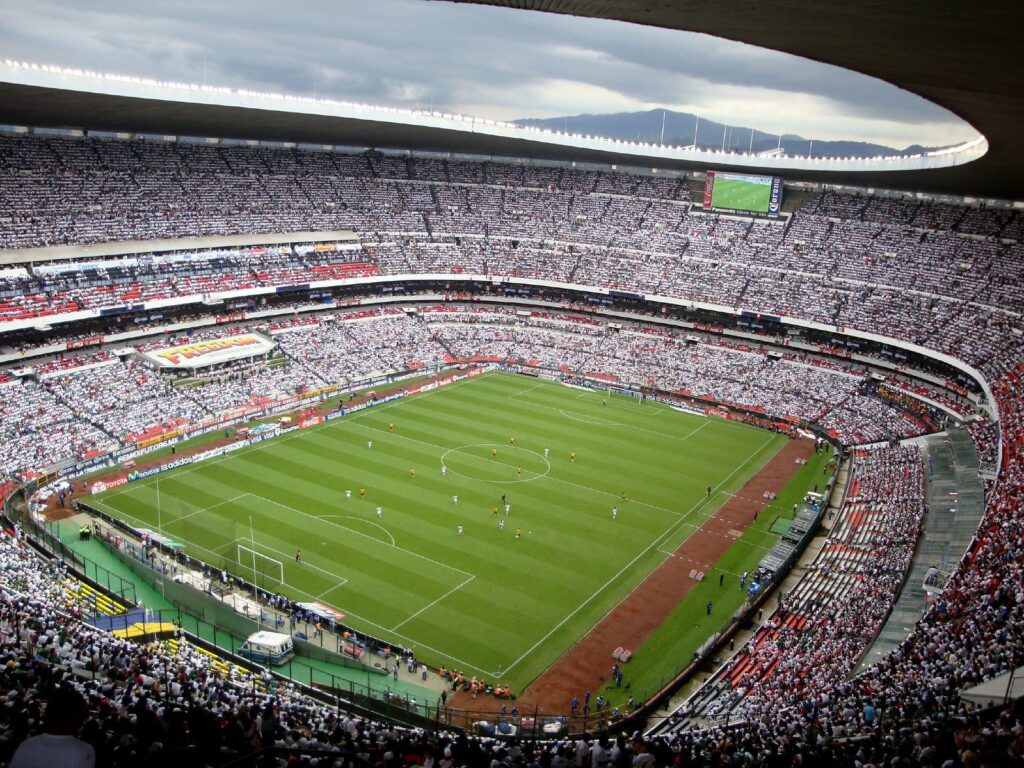
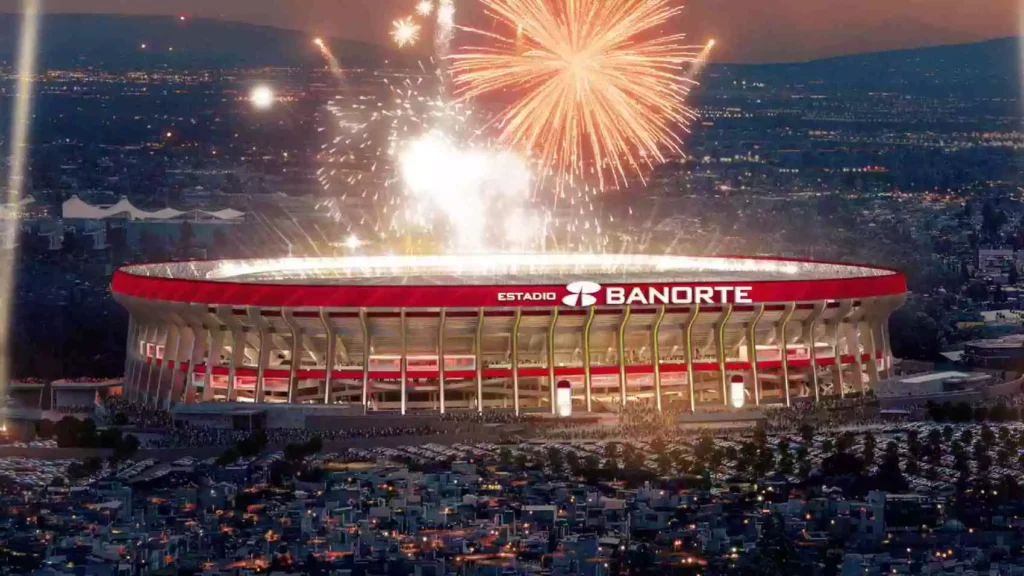
To speak of Mexico City is to evoke a metropolis that breathes culture. In the heart of its southern district, the “Coloso de Santa Úrsula,” now known as Banorte Stadium (formerly Estadio Azteca), rises. This venue needs no introduction, yet it is currently transforming to meet the expectations of the most discerning traveler.
Banorte Stadium is not only one of Mexico’s most iconic arenas; it is the only stadium in the world preparing to host its third World Cup opening ceremony. With a capacity adjusted to approximately 83,000 spectators to ensure maximum comfort and safety, the venue is undergoing a comprehensive renovation that will elevate its hospitality areas and VIP zones to international standards of excellence.
Coloso Highlights:
- Design with soul: created by architects Pedro Ramírez Vázquez and Rafael Mijares, inspired by modern functionality while preserving the vibrant essence of Mexico City.
- A geographic challenge: situated over 2,200 meters above sea level, adding a unique mystique to the game while testing even the world’s most elite athletes.
The stadium’s transformation represents a private investment exceeding $150 million—an ambitious effort to elevate the spectator experience to “Seven-Star” standards. This financial commitment is not intended to alter the venue’s historic essence, but to enhance it with cutting-edge technology and service infrastructure.
- World-class hospitality: Suites and hospitality areas are being completely redesigned, incorporating luxury finishes, high-density 5G connectivity, and curated gastronomic offerings that reflect Mexico City’s rich culinary identity.
- Sustainability and comfort: Upgrades include next-generation LED lighting systems and critical accessibility and visitor flow improvements, ensuring seamless movement throughout the venue.
- An entertainment hub: The project envisions deeper integration with its surroundings, positioning the stadium as a year-round lifestyle destination and reinforcing its role as the capital’s premium entertainment epicenter.
This transformation ensures that Banorte Stadium will not only remain Mexico’s most historic stadium, but also its most modern—capable of meeting the expectations of global elite travelers seeking privacy, exclusivity, and comfort.
The surrounding area offers a seamless transition into the bohemian and sophisticated charm of Coyoacán. After an epic match, visitors can explore private art galleries, dine at high-end Mexican restaurants, and stroll along cobblestone streets steeped in history. It is the perfect balance between sporting intensity and urban living.
Innovation meets the mountains: Monterrey Stadium
For a definition of architectural modernity integrated with the natural landscape, one must look north. Monterrey Stadium (formerly The BBVA Stadium), home to Rayados, the pinnacle of sports infrastructure in Latin America.
This venue stands as a testament to Monterrey’s economic strength and aesthetic vision. With its steel structure reminiscent of an armadillo and a capacity of 53,500, the stadium offers impeccable visibility from every angle. Its luxury suites and hospitality zones are designed for a fully personalized experience, featuring Concierge services and gourmet cuisine tailored to the most refined tastes.
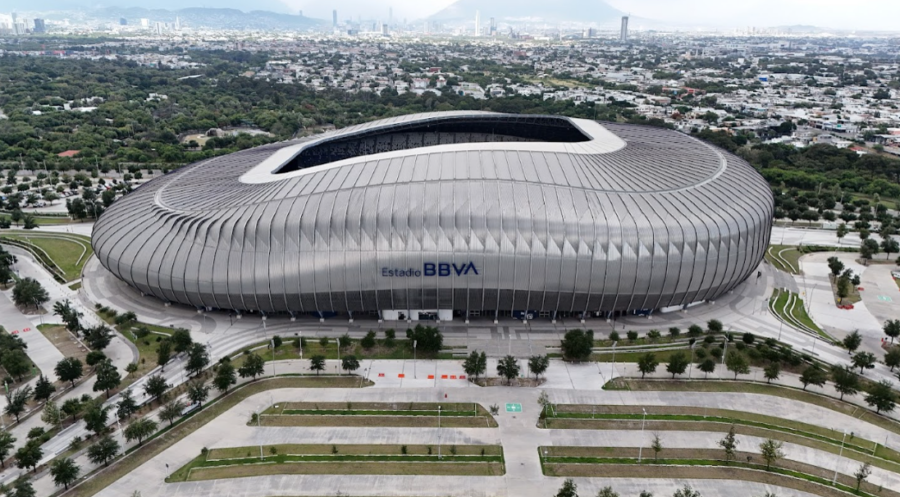
Highlights:
- A spectacular view: Considered one of the most photogenic stadiums in the world, framed by the iconic Cerro de la Silla. Watching the sunset from its stands is an almost transcendent experience.
- Elite sustainability: The first stadium in the region to achieve LEED Silver certification, proving that luxury and environmental responsibility can coexist seamlessly.
Located near San Pedro Garza García—Latin America’s wealthiest municipality—attending a match here is just the beginning. The experience extends to designer shopping centers, ultra-luxury boutique hotels, and a culinary scene that rivals the world’s top capitals.
Modern tradition: Guadalajara Stadium
Jalisco embodies the essence of Mexico, and its capital is where tradition meets innovation. Guadalajara Stadium is undoubtedly one of the most visually striking and conceptually compelling venues of the upcoming World Cup.
Known for its design resembling a volcano crowned by a “cloud,” the stadium accommodates 48,000 spectators. Its integration with the landscape is organic, with green areas that create a calm, elegant arrival. Inside, the design prioritizes acoustics, creating an immersive atmosphere that resonates even with the most reserved guest.
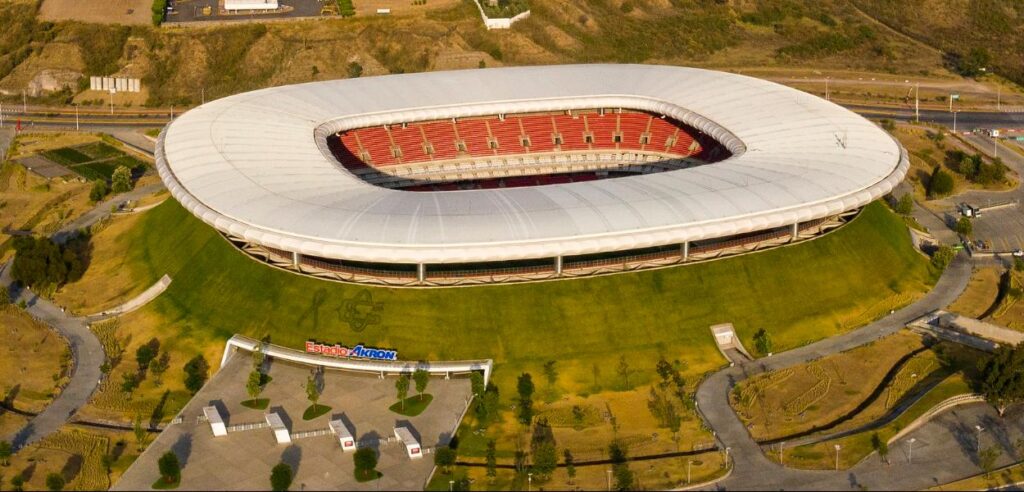
Highlights:
- Innovative structure: The stadium’s canopy is an engineering masterpiece, designed to filter natural light and collect rainwater, maintaining optimal pitch conditions.
- Exclusive privacy: Private suites feature advanced technology and tailored services, ideal for those seeking discretion and exclusivity.
Located in Zapopan, the stadium is close to exclusive residential districts and high-level corporate developments. Guadalajara offers visitors a refined blend of premium tequila culture, fine craftsmanship in Tlaquepaque, and sophisticated nightlife in Puerta de Hierro.
Logistics for the elite traveler
For international guests who value time and comfort, connectivity between these stadiums will be key. Mexico boasts robust aviation infrastructure across all three host cities, enabling seamless travel between Mexico City’s vibrancy, Monterrey’s power, and Guadalajara’s charm.
Luxury transportation options—from helicopters that bypass metropolitan traffic to certified bilingual chauffeur services—ensure that the focus remains where it belongs: celebrating the world’s most beloved sport at its finest.

An event beyond the scoreline
The selection of these venues is no coincidence. They represent the pinnacle of Mexican engineering and hospitality. Each host city showcases a distinct facet of a nation proud of its ability to deliver global events with a unique sense of distinction.
The upcoming World Cup is more than a competition—it is an invitation to rediscover Mexico through a lens of exclusivity and prestige. From vibrant Mexico City to industrial and luxurious Monterrey, and the culturally rich Guadalajara, these stadiums are preparing not only to host goals but to create unforgettable memories for those who understand that true luxury lies in shared experiences.
We invite you to be part of this story. Prepare to experience football like never before, in a destination where passion is delivered with an unmatched standard.