Pulque: The ancient Mexican beverage conquering the world
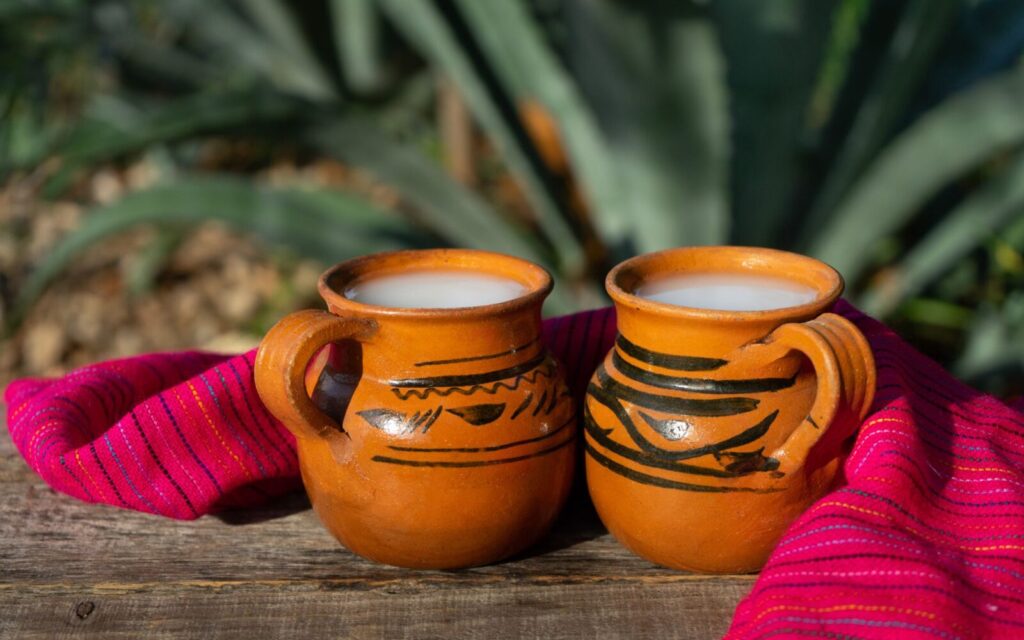
Long before tequila and mezcal carried Mexico’s name across the globe, there was a beverage deeply entwined with the nation’s history: pulque. Crafted through the natural fermentation of agave sap (aguamiel), it has accompanied diverse cultures since pre-Hispanic times and remains a vital symbol of tradition, identity, and community.
Today, this ancestral elixir is experiencing a vibrant renaissance. Master producers, chefs, and mixologists have rediscovered its rich cultural heritage and versatility, introducing it to new generations seeking authentic flavors and meaningful stories in every glass.
A legacy born from the agave
The origins of pulque trace back thousands of years. Various Mesoamerican civilizations discovered that aguamiel—the sweet sap harvested from the heart of the agave plant—could ferment naturally to yield a drink with a complex, subtly acidic profile.
In pre-Hispanic cultures, pulque held a sacred, ceremonial role. Its consumption was strictly reserved for priests, rulers, distinguished warriors, and elders, and it featured prominently in rituals dedicated to fertility and abundance. In Mexica mythology, the beverage was intimately linked to Mayahuel, the goddess and protector of the agave plant, as well as the Centzon Totochtin (the “Four Hundred Rabbits”), deities associated with pulque and its various states of intoxication.
During the colonial era, pulque transitioned from an exclusive ceremonial drink into a widely popular beverage integral to daily life throughout much of Mexico. By the 19th and early 20th centuries, traditional taverns known as pulquerías had become essential social hubs and cultural landmarks, particularly in the central highlands.
From the agave plant to the jícara
The production of pulque remains a deeply artisanal craft.
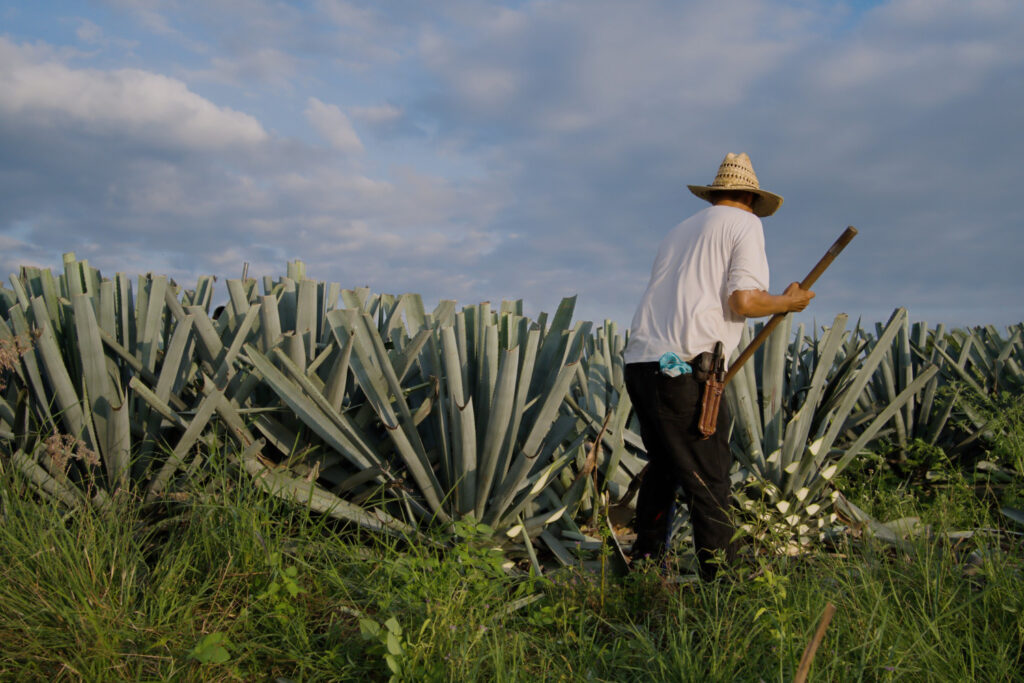
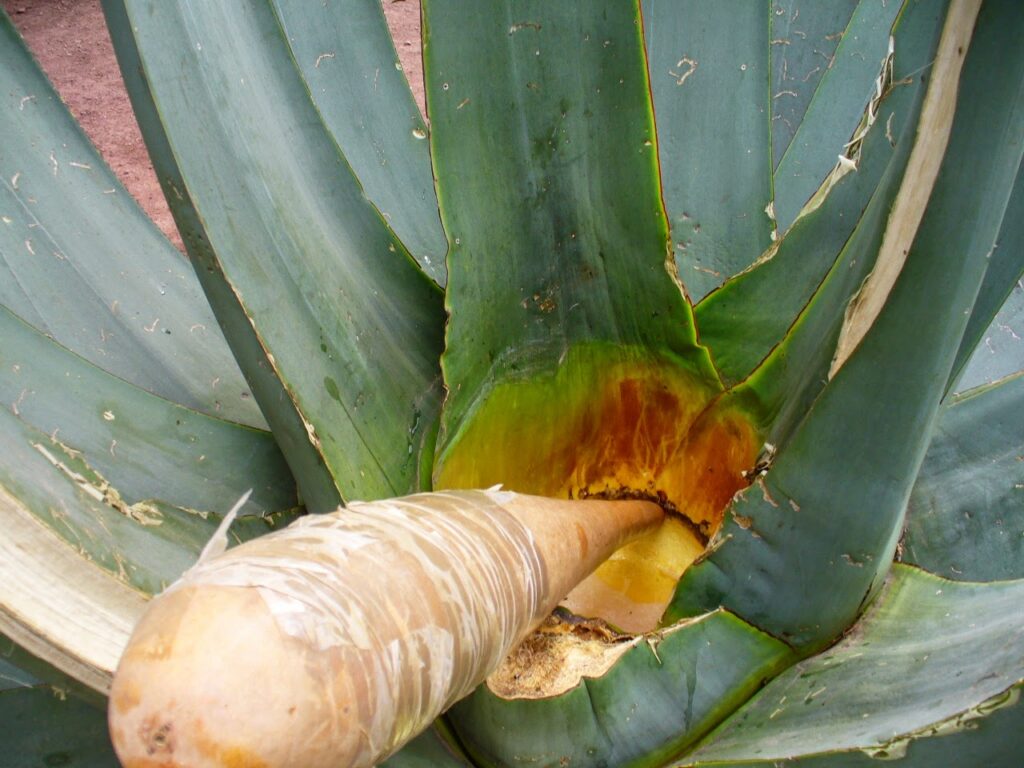
Everything begins when the agave plant reaches full maturity, typically between eight and twelve years of growth. At this precise stage, the center of the plant is carefully hollowed out to create a cavity where the aguamiel begins to collect.
Daily, skilled harvesters (tlachiqueros) collect this sap using an acocote—a traditional elongated gourd used to draw out the liquid without damaging the living plant. The fresh aguamiel is then transferred to fermentation vats, where natural fermentation takes place, driven by ambient microorganisms and a starter culture of previously fermented pulque, known as the semilla (seed).
The result is a low-alcohol beverage with a velvety texture and delicate tasting notes reminiscent of wild honey, fresh herbs, and green agave.
Unlike distilled spirits, pulque is neither cooked nor aged. Its distinctive character relies entirely on the quality of the fresh sap, the precision of the natural fermentation process, and the generational knowledge passed down by traditional producers.
Much more than a beverage
To speak of pulque is to honor the agave plant, a botanical cornerstone that has sustained Mexican communities for centuries.
From the agave, communities harvest textile fibers, building materials, food, natural sweeteners, and beverages. Its remarkable ability to thrive in arid climates makes it a vital resource for rural populations, while its deep root systems prevent soil erosion and foster local biodiversity.
Consequently, pulque represents far more than a culinary tradition: it stands as a testament to a harmonious relationship of respect between communities and their natural environment.
The modern revival of pulque
Throughout much of the 20th century, pulque consumption declined due to the commercial rise of industrial beverages. However, recent years have witnessed a major revival, driven by travelers and enthusiasts seeking authentic, locally sourced, and artisanal products.
Today, pulque can be enjoyed in historic pulquerías as well as in contemporary fine-dining establishments, where visionary chefs and bartenders incorporate it into tasting pairings, desserts, and craft cocktails. Simultaneously, curados—pulque blended with fresh fruits, seeds, spices, or nuts—offer an approachable and refreshing entry point for those tasting it for the first time.
This resurgence has also elevated appreciation for the master producers who continue to preserve these inherited techniques, ensuring that an ancient craft remains vibrant and sustainable.
A flavor that tells the story of Mexico
Every sip of pulque brings together centuries of tradition, agricultural wisdom, and living cultural heritage. It is a drink that speaks of the Mexican landscape, the enduring importance of the agave, and the communities that have kept one of the nation’s oldest practices alive.
Exploring pulque offers an authentic window into the heart of Mexican gastronomy. Beyond passing trends, it remains a timeless invitation to connect with the origins of a culture where the land, nature, and warm hospitality have always gathered at the same table.