The Voladores de Papantla and the meaning behind Mexico’s sacred flying ceremony
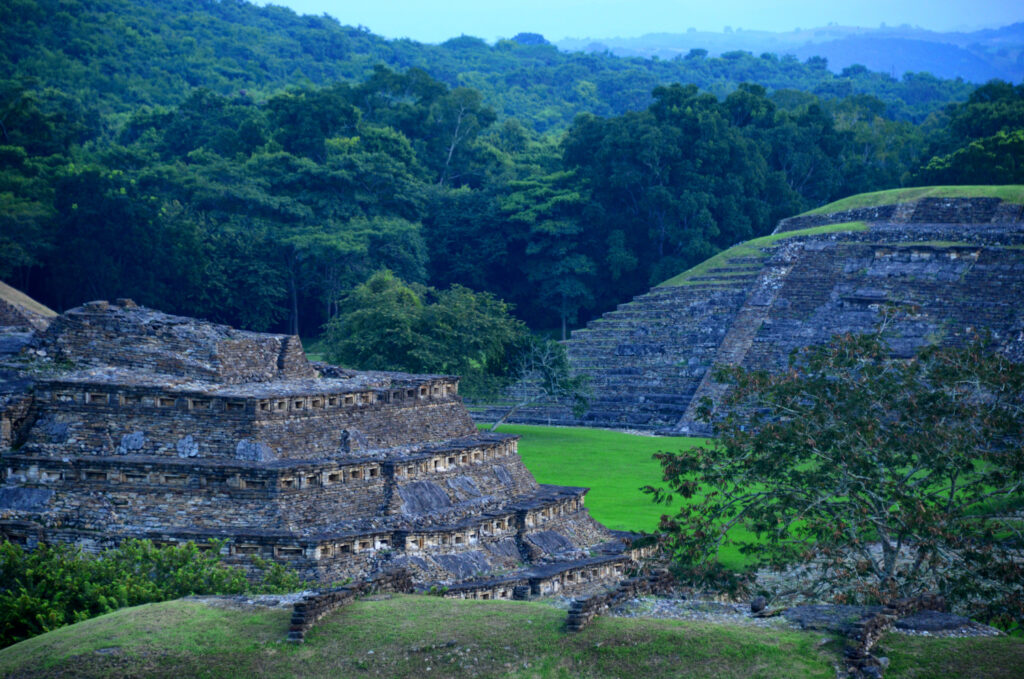
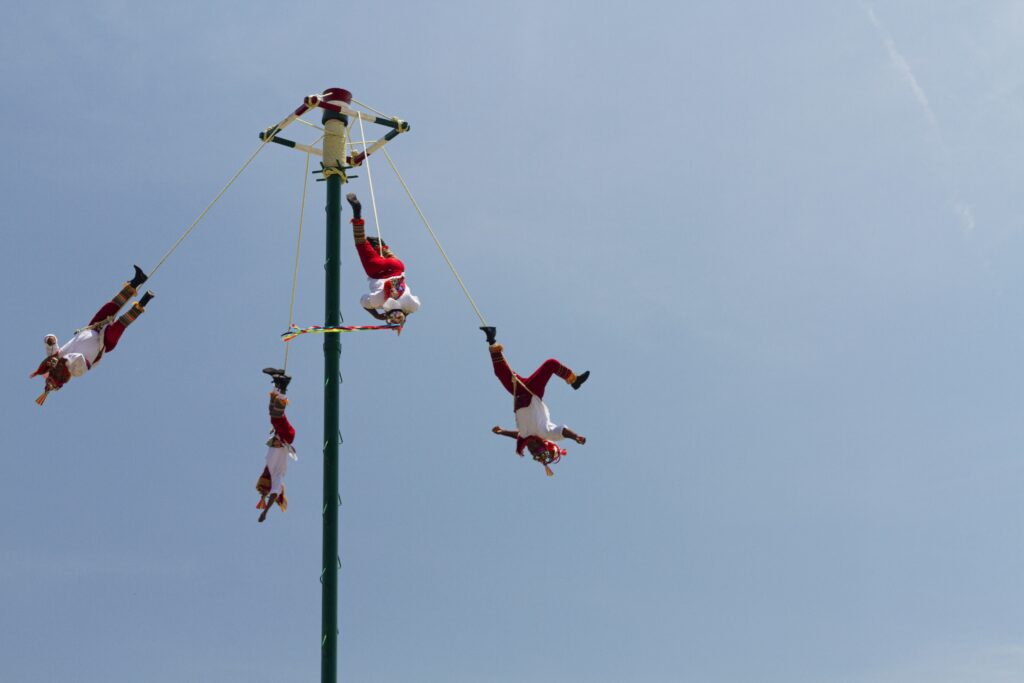
In the northern region of the state of Veracruz, nestled between the dense green jungle and the imposing pre-Hispanic ruins of El Tajín, the air often fills with a subtle, piercing melody. A reed flute and a small drum mark a hypnotic rhythm that compels you to look up. Dozens of meters above the ground, atop a towering pole, four men surrender themselves to gravity while a fifth performs an ancient dance on an impossibly narrow platform.
The Voladores de Papantla ritual is neither a mere tourist display nor a stunt of contemporary acrobatics. It is a prayer in motion, an eight-hundred-year-old cosmic invocation that has managed to stay alive through generations of devotion. Recognized by UNESCO as Intangible Cultural Heritage of Humanity, this legacy of the Totonac culture offers discerning travelers an unparalleled window into the deep spirituality of Mexico.
The origins of a prayer to the sun and rain
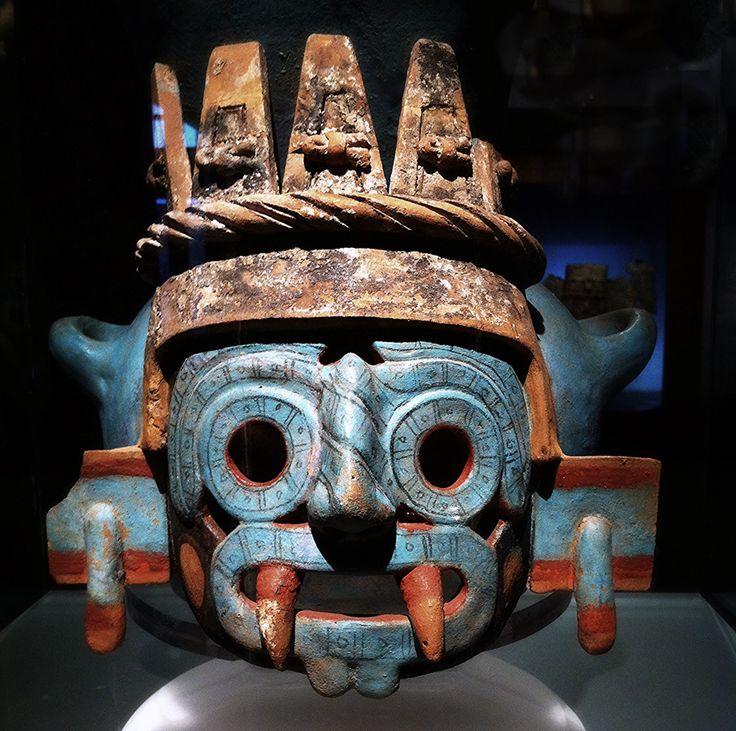
To understand the true dimension of this ceremony, you must travel back in time to the Mesoamerican Postclassic period. Totonac legend tells of a devastating drought that swept through Totonacapan, wilting crops and threatening the very survival of the community. Village elders entrusted five chaste young men with the mission of carrying a direct plea to the gods of fertility and rain, particularly Xipe Tótec and Tláloc.
To draw closer to the divine realm, the young men needed to elevate themselves. They searched for the tallest, straightest tree in the forest, asked nature for forgiveness before felling it, and erected it in the heart of the community. From the summit of that sacred trunk, the messengers took flight, imitating the descent of birds and sending their supplications toward the four cardinal points. Nature’s response arrived shortly after in the form of generous rains, establishing a tradition that endures to this day.
Although we currently associate this practice almost exclusively with the Papantla region, various anthropological studies confirm that similar rituals took place across several regions of Mesoamerica, including parts of the Huasteca and Guatemala. However, the Totonac community of Veracruz remains the undisputed guardian of its purity, rigor, and symbolism.
The sacred mathematics of the flying dance
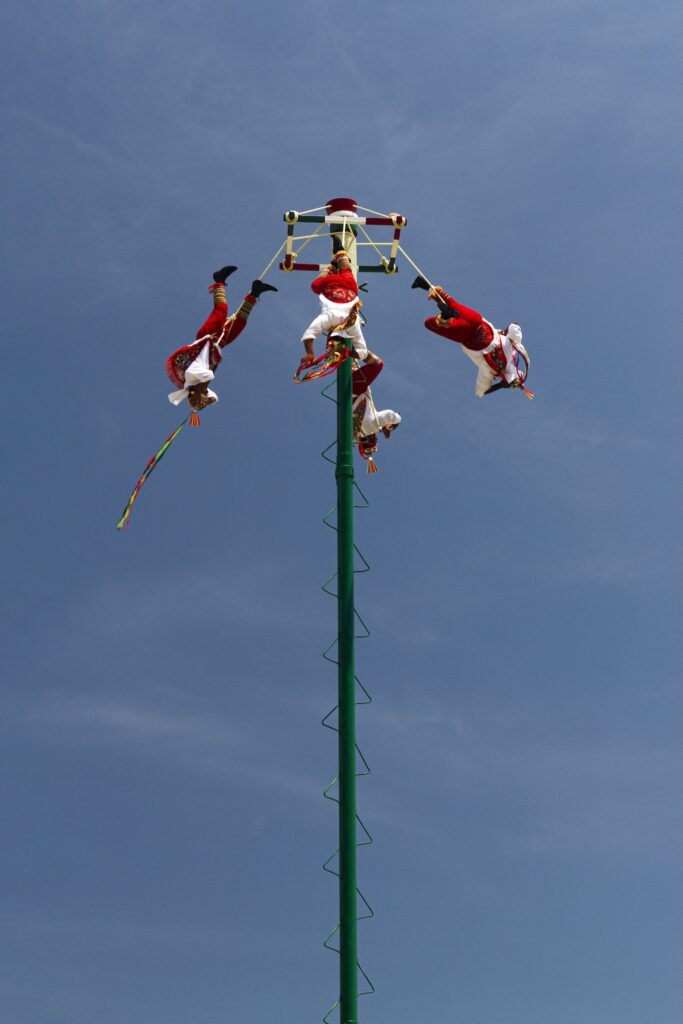
Nothing within the Voladores de Papantla ritual happens by chance. Every movement, object, and cardinal direction responds to a precise cosmogony that connects humanity with the universe and the passage of time.
The wooden pole used for the dance traditionally measures between 18 and 30 meters high. At the very top sits a rotating wooden structure known as the manzana or apple, supporting a square frame from which the ropes are secured.
Distinct roles within the ceremony
- The caporal: Stationed at the absolute center of the top platform. Standing without a safety harness on a surface no larger than the diameter of a small plate, he plays the flute and drum while spinning toward the four cardinal directions. He serves as the direct link between the earthly world and the gods.
- The four flyers: They represent the four fundamental elements (air, fire, earth, and water) as well as the four cardinal points. Each ties a rope around his waist before casting himself backward into the open void.
The descent itself is an astronomical marvel. The flyers make exactly 13 full rotations each around the pole before their feet touch the earth. Multiplying these 13 revolutions by the four flyers yields 52, the exact number of years in the Mesoamerican century and the cycle of the New Fire renewal. Each spin is, in essence, a year acknowledged, thanked, and entrusted back to the earth.
The craftsmanship behind traditional attire
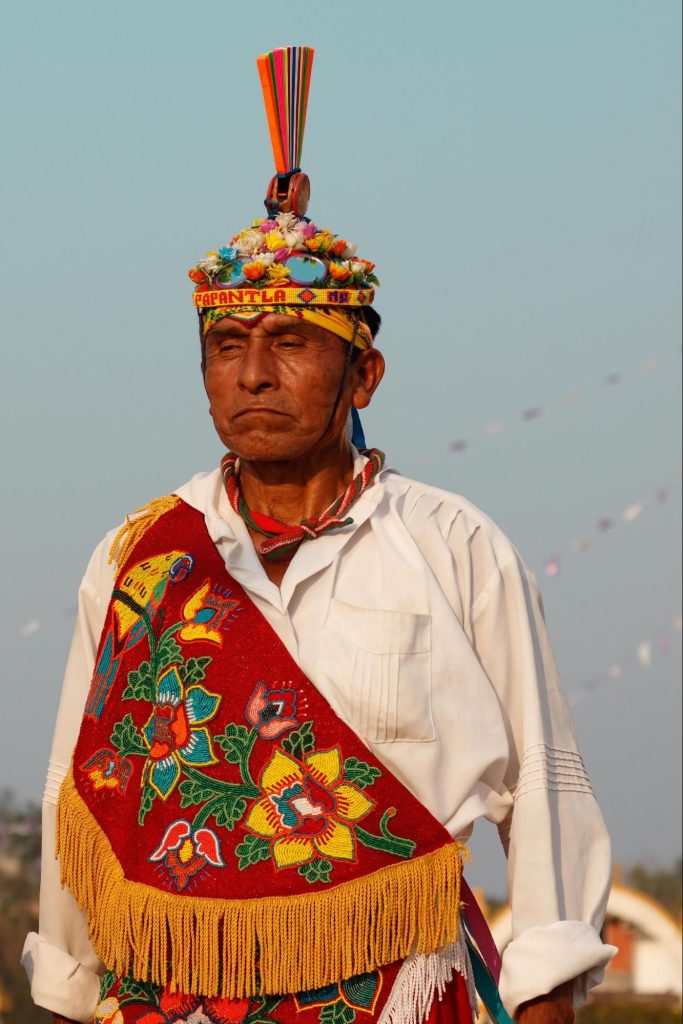
The visual impact of the flight relies heavily on the ceremonial richness of the regalia. Far from costume, every garment evokes the plumage of sacred birds, particularly the macaw or the eagle, species closely tied to the energy of the sun.
The conical cap worn on the head is crowned with a crest of red flowers and multicolored ribbons that cascade down the back. As the performers descend upside down with arms outstretched, the rush of wind unfurls these garments, creating the vivid illusion of vibrant birds bringing blessings down to the earth.
Harvesting the tree and the unseen ritual
What you observe as a spectator during the descent is merely the final act of a much longer, deeply mystical process. Traditionally, preparation for the Voladores de Papantla ritual begins deep within the forest with the search for the ideal tree, usually a zapote or pine species.
Before striking the first blow with an axe, the Caporal and the dancers perform a ceremony asking the forest for forgiveness, burning copal incense and offering aguardiente, flowers, and candles to the earth. They understand that taking the life of a tree to build the sacred pole demands absolute spiritual reciprocity.
Once felled and carried to the village by the community, the trunk is placed into a deep excavation. At the bottom of the pit, elders deposit offerings including spirits, tamales, flowers, and seeds. This nourishes the earth and ensures the mast stands firm, protecting the lives of the performers. In recent decades, some wooden poles have been replaced by permanent steel structures to conserve local flora and guarantee structural safety, yet the spiritual core of planting the pole remains intact.
Sound that bridges two worlds
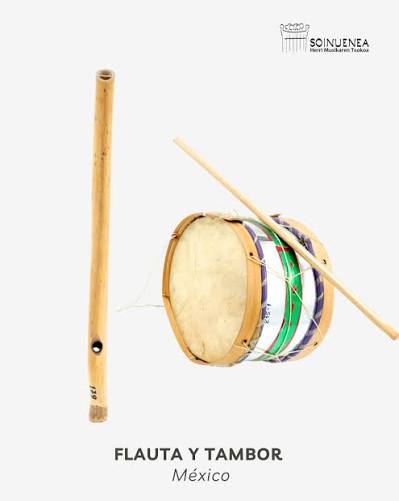
The music accompanying the dance does not aim to entertain; it seeks to alter consciousness and align the ceremonial space. A single performer, the Caporal, plays two instruments simultaneously throughout the descent:
- The reed flute: Represents the song of birds and the gentle whisper of the wind. It produces high-pitched, melancholic notes that float over the horizon.
- The small drum: A small wooden and leather instrument struck with a single stick. It represents the heartbeat of the earth and the steady pulse of the community.
Hearing these notes reverberate in the quiet morning air of Veracruz is an immersive experience. The music guides every stage of the ritual, from the climb up the mast and the greeting to the four winds, to the exact moment all four men cast themselves backward into the sky.
Preserving an ancient legacy today
Keeping a tradition of this magnitude vibrant amid modern developments requires a deep collective commitment. Today, the Council for the Protection and Preservation of the Voladores Ritual works hand in hand with the School of Young Voladores, located at the Center for Indigenous Arts in Papantla.
Within this space, new generations of Totonac youth learn far more than the physical balance and strength required for the flight. They absorb the language, philosophy, astronomy, and ethical values of their heritage. The ritual is taught not as an athletic feat, but as a sacred duty to honor their ancestors and serve their community.
For the conscious traveler, witnessing this ceremony provides a meaningful opportunity to practice respectful, impact-driven tourism. Supporting local foundations, purchasing authentic crafts made by Totonac artisans, and approaching the performance with quiet reverence ensure this flying prayer continues to grace the skies of Veracruz for generations to come.
Where to experience the sacred flight authentically
While you can observe adaptations of this dance across various tourist destinations in Mexico, experiencing its true cosmic resonance requires visiting its region of origin.
Zempoala and the Emerald Coast
Along the coastal corridor of Veracruz, the archaeological riches of Zempoala and the understated luxury of the Emerald Coast allow you to combine exploring ancient ruins with observing the ritual in coastal plazas set against the backdrop of the Gulf of Mexico.
El Tajín and Papantla, Veracruz
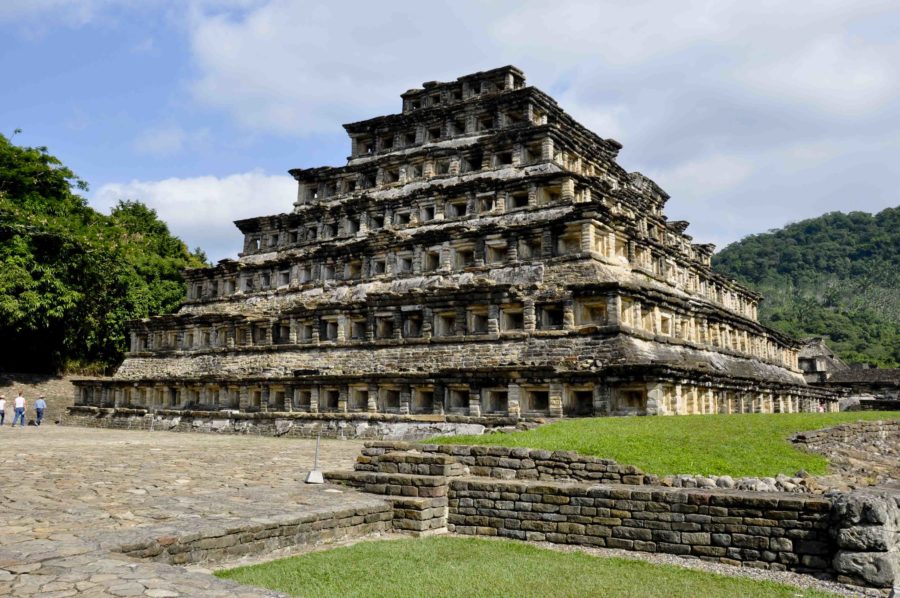
This is the undisputed cultural epicenter. Visiting the sacred city of El Tajín—renowned for its iconic Pyramid of the Niches—allows you to witness the Voladores de Papantla ritual right before the ancient architecture that first gave it meaning. Afterward, exploring the Magic Town of Papantla offers the chance to tour organic vanilla plantations and speak directly with master flyers.
The National Museum of Anthropology in Mexico City
If your travel itinerary focuses on the Mexican capital, the courtyard just outside the National Museum of Anthropology in Chapultepec Park features daily ceremonial performances of remarkable quality, perfect for enriching an afternoon dedicated to high culture and Mesoamerican art.
A transformative perspective on sacred Mexico
The Voladores de Papantla ritual serves as a compelling reminder that luxury travel is ultimately measured by the depth of meaning it leaves in your spirit. Watching four men dressed in the colors of the sun descend in measured circles while the wind carries the sound of an ancient flute allows you to reconnect with humanity’s innate capacity to converse with the natural world.
When planning your next journey through Mexico, make time to look upward. In the silent flutter of ribbons and the fearless grace of their descent, you will discover that in this corner of the world, heaven and earth continue their timeless dialogue through the sacred flight of their people.