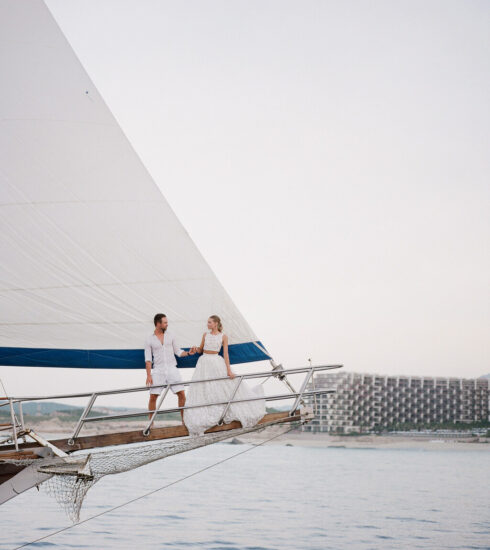
Ideas for designing a beachfront wedding with a sophisticated flair
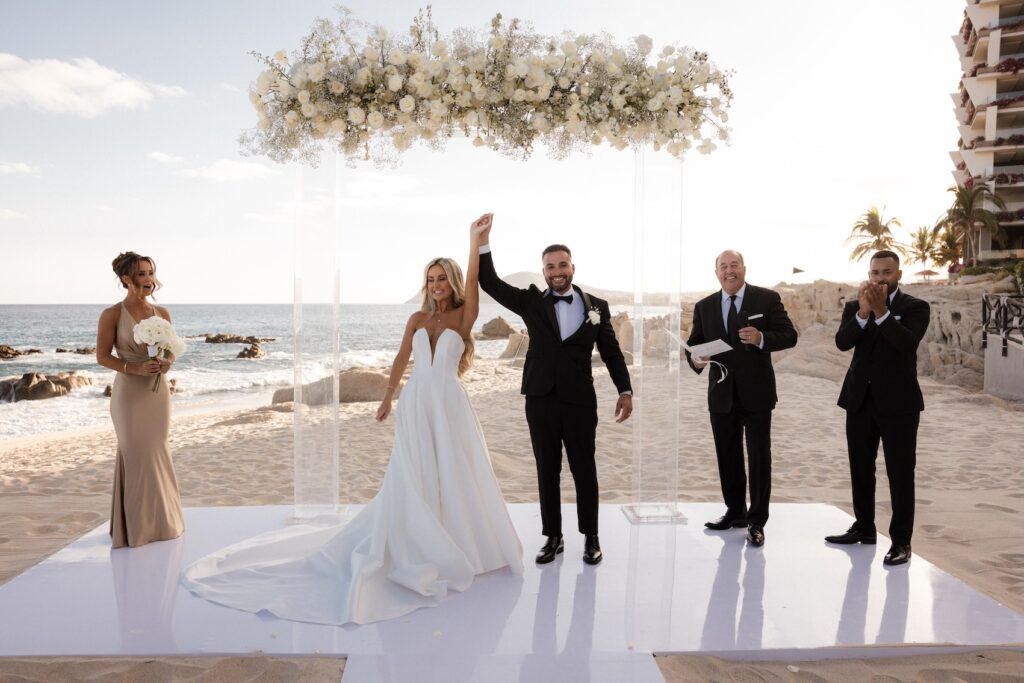
Getting married with the sea as a backdrop is one of the most memorable experiences you can choose. The coast possesses an innate magic that transforms any union into an unforgettable moment; however, translating that refinement to a natural setting demands impeccable planning. The true secret to a successful coastal event is not to attempt to dominate nature, but to partner with it to create a harmonious atmosphere where every element feels organic and fluid.
When you imagine your big day by the ocean, you seek a perfect balance between sophistication and comfort. This guide will accompany you through the key decisions to transform the coastal landscape into the setting for a perfect celebration, answering the most common questions about how to achieve a high-end event in a tropical environment.
Space design and visual harmony
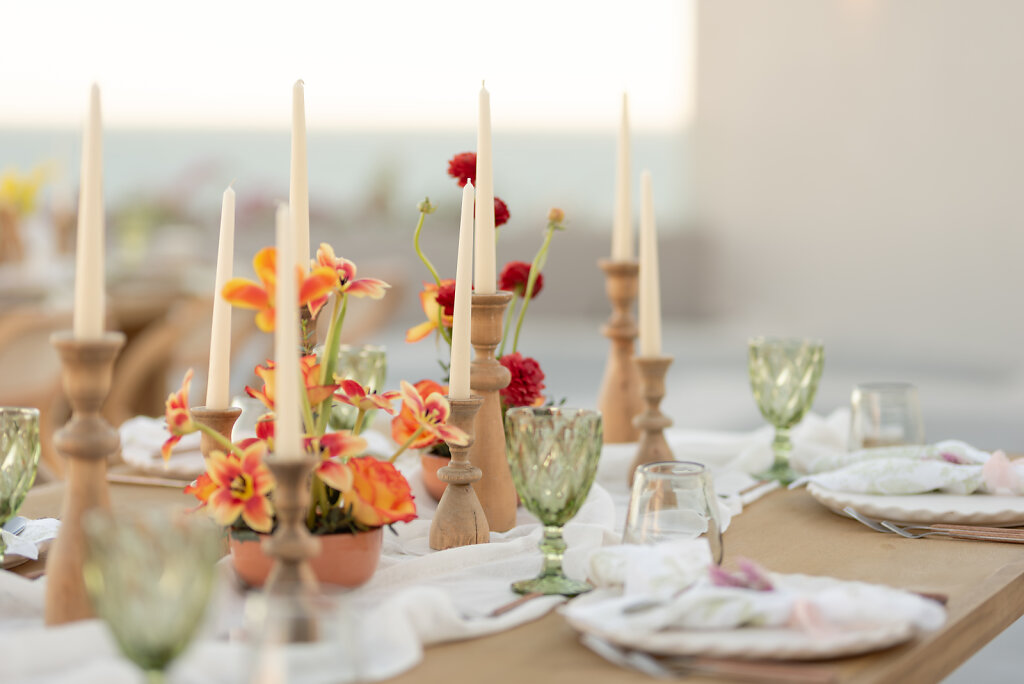
In a beach location, the environment alone makes the visual work feel slightly more saturated. The ocean, sand, and changing sky offer a range of textures that evolve throughout the day. Therefore, the design proposal must serve as a subtle framework that enhances the landscape rather than competing with it. A saturation of artificial elements usually breaks the visual continuity and detracts from the space’s elegance.
The color palette is the first step in defining the event’s identity. Organic tones are always a safe bet that guarantees timelessness. The use of whites, sand, “dusty” blue, and sage green creates a smooth transition between the furniture and the beach. If you prefer to add dynamism and warmth, you can incorporate subtle accents in terracotta, coral, or champagne. These nuances contribute a subtle tropical energy without compromising the harmony of the setup.
Materials that withstand the environment
The choice of materials for furniture and structures responds not only to aesthetic criteria but also to functional logic. The marine climate presents specific challenges, such as constant humidity and strong gusts of wind, which rule out the use of materials that are too light or prone to rapid deterioration.
| Design element | Suggested material | Aesthetic and functional benefit |
| Main structures | Teak or Ipe wood | Resistance to moisture and natural weight against the wind |
| Textiles and linens | High-grammage pure linen | Sophisticated drape and ideal breathability |
| Accent furniture | Woven wicker or jute | Organic texture that complements the sand |
| Tableware and details | Handcrafted ceramic or stone | Structural stability and timeless appearance |
The use of these materials ensures the setup remains impeccable from the arrival of the first guests until the end of the night, avoiding common inconveniences such as tablecloths flying or unstable centerpieces.
Lighting to transform the atmosphere
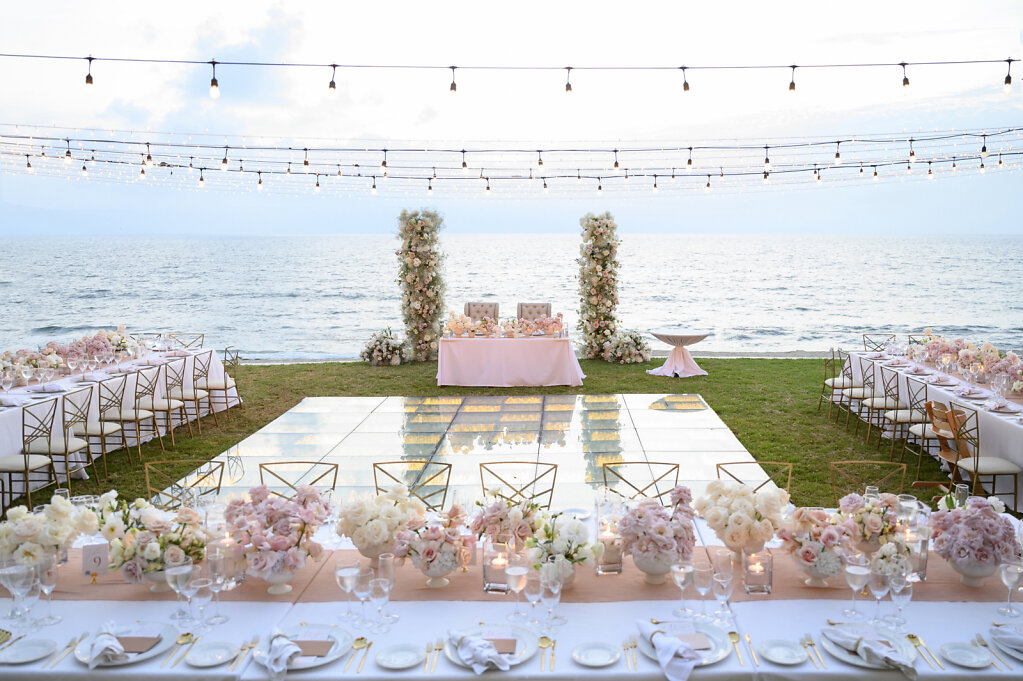
As evening falls, the landscape undergoes a radical transformation. The darkness of the sea is absolute, so lighting becomes the primary tool for delineating space and creating intimacy. Poor lighting design can make the event feel cold or, conversely, excessively exposed.
Suspended string lights, known as festoon lights, with a clean design, are ideal for recreating a starry sky over the reception area. For tables and access paths, candles contained in thick glass lanterns are indispensable; this protects the flame from the sea breeze and produces a soft flicker that benefits everyone present. You can also opt for warm LED lighting concealed at the base of palm trees or local plants to add depth to the environment without saturating the view.
The bride’s attire and design fluidity
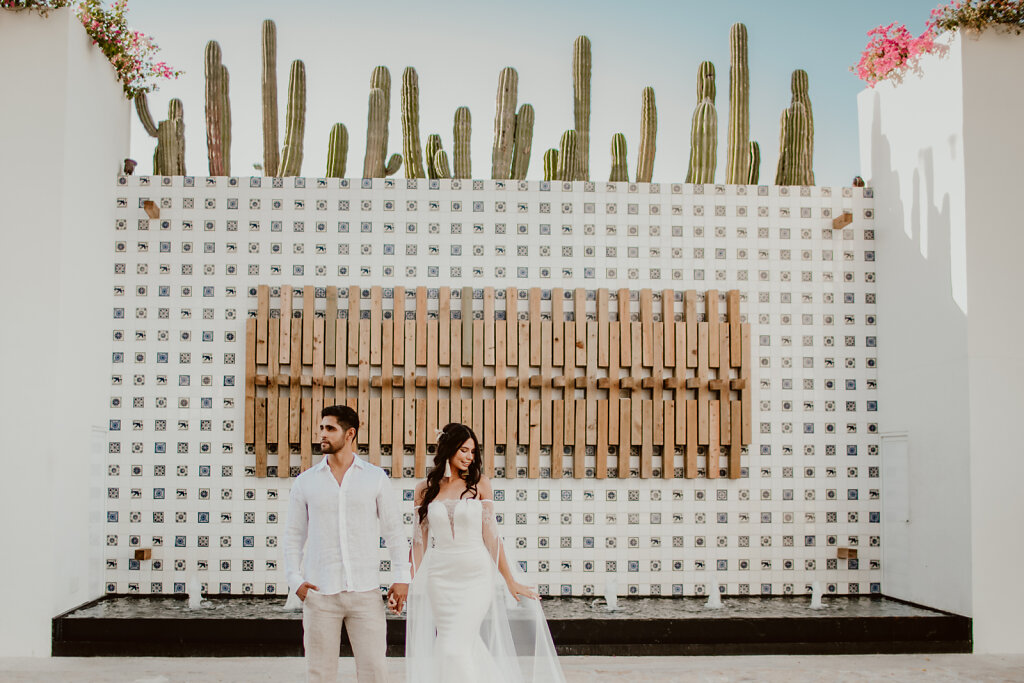
Choosing the dress requires a shift in perspective compared to an indoor ballroom. Structured designs, kilometer-long trains, and heavy fabrics, such as brocade or stiff silk satin, make movement difficult on the sand and are uncomfortable in tropical temperatures. Many people wonder what type of dress is appropriate for this setting, and the answer lies in the lightness of the materials.
The goal is to find a piece that moves with the wind. Fabrics such as silk chiffon, light crepe, silk tulle, and fine lace are perfect for this purpose. A dress with a fluid drape will allow you to move with total freedom and help you create spectacular photographs during the session.
Footwear is another crucial factor. Walking on sand in stilettos is practically impossible and detracts from natural movement. The ideal alternative for the ceremony is to use flat sandals with embellishments or jewelry, specially designed for the feet. Once the celebration moves to a firm surface, like a wooden deck, you can change into your favorite shoes without complications.
If you choose to wear a veil, make sure it is securely attached to your hairstyle, or opt for a short version, as the wind can make it difficult to manage during the ceremony.
The groom and the sophistication of linen
The classic dress code for gentlemen is usually situated between beach chic style and formal guayabera. The most common mistake is replicating the traditional dark wool suit, which is hot and uncomfortable in the tropical climate.
A tailored suit made of linen or a silk-and-linen blend in light tones such as beige, pearl gray, or pastel blue is perfect. If the celebration is held in Mexico, a high-quality, long-sleeved guayabera in white or off-white, combined with impeccably cut dress pants, constitutes a respected and extremely comfortable standard of distinction. This attire projects respect for local traditions combined with a contemporary vision.
Guide your guests towards comfort
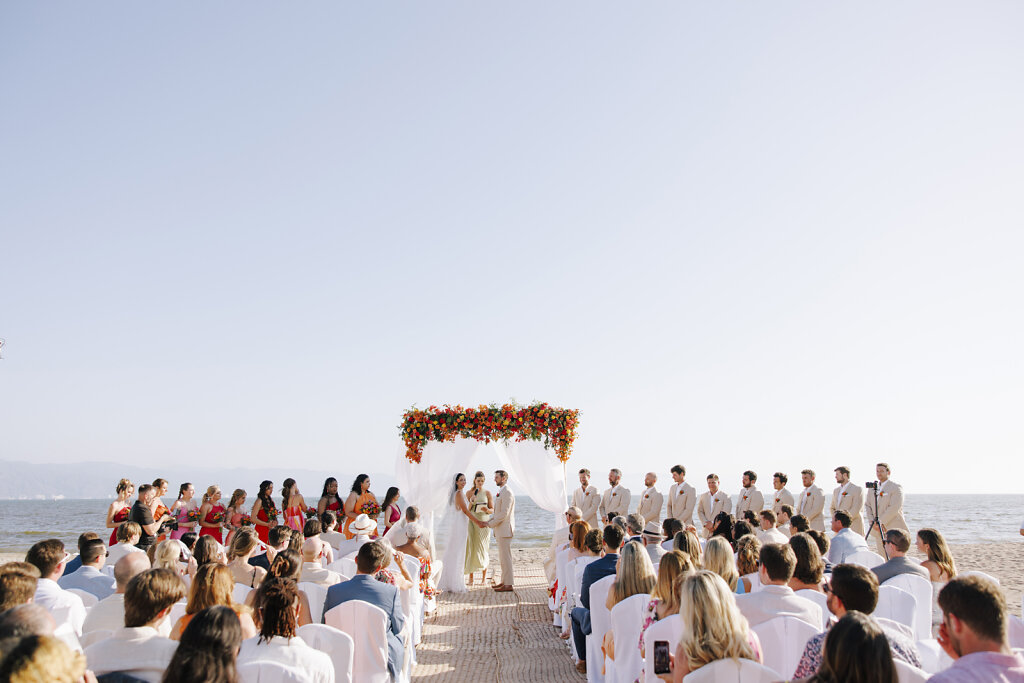
It is essential to clearly communicate the dress code on the invitations so that attendees feel confident when choosing their outfits and know exactly what to wear to a beach wedding. Recommending cool textiles and avoiding excessively dark tones will contribute to overall well-being and the event’s visual harmony.
To enhance the experience of those accompanying you, you can design a welcome station focused on their comfort. Offering hand fans made of natural fibers, parasols to protect against the sun during the ceremony, and a shoe station where they can change into comfortable leather sandals is a detail of hospitality that will transform their perception of the event.
A menu inspired by the environment
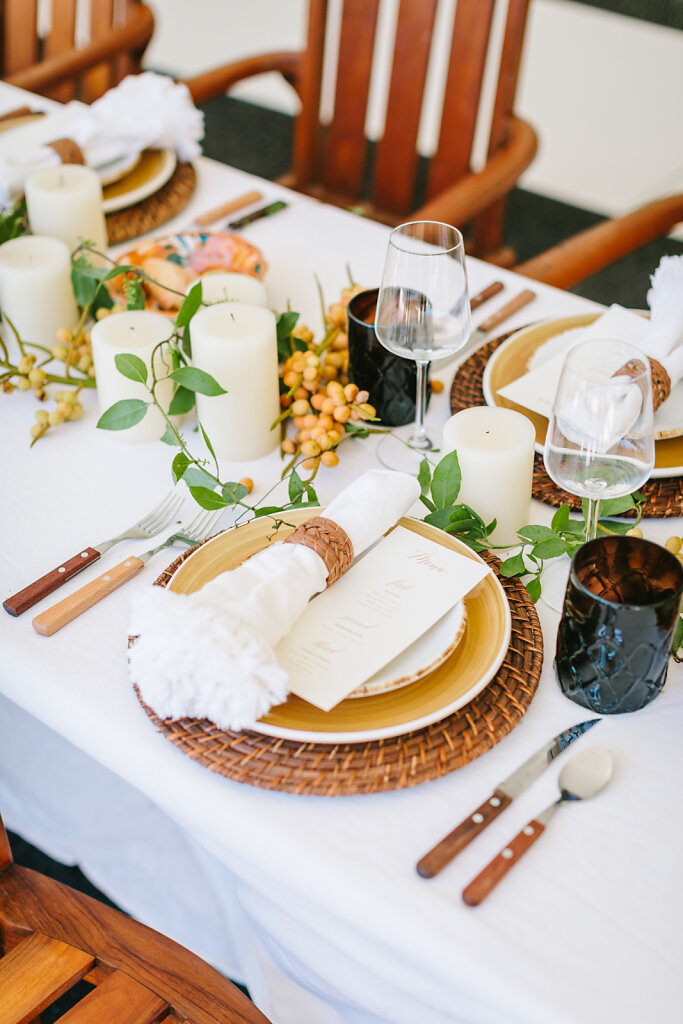
The culinary proposal must pay homage to the freshness of its location. A heavy or overly elaborate menu can be overwhelming in a warm climate, so the trend leans towards signature cuisine based on the catch of the day and local ingredients.
Consider a multi-course menu that begins with raw stations, where fine ceviches, tuna tartares with touches of local citrus, and fresh oysters on ice are prepared on the spot. For the main courses, combining grilling techniques with light sauces made with aromatic herbs enhances natural flavors without overwhelming the palate. Of course, it is always prudent to include sophisticated options such as poultry or premium beef cuts for guests who prefer alternatives to seafood.
Signature cocktails and premium freshness
- Tropical infusions: Cocktails based on mezcal or tequila infused with passion fruit, basil, or cucumber.
- Reinterpreted classic spirits: A combination of gin with notes of cardamom and dehydrated citrus slices that provide an aromatic and refreshing profile.
- Non-alcoholic drinks: Made with floral waters, local kombuchas, or fruit extracts to keep guests hydrated.
The importance of timing and light
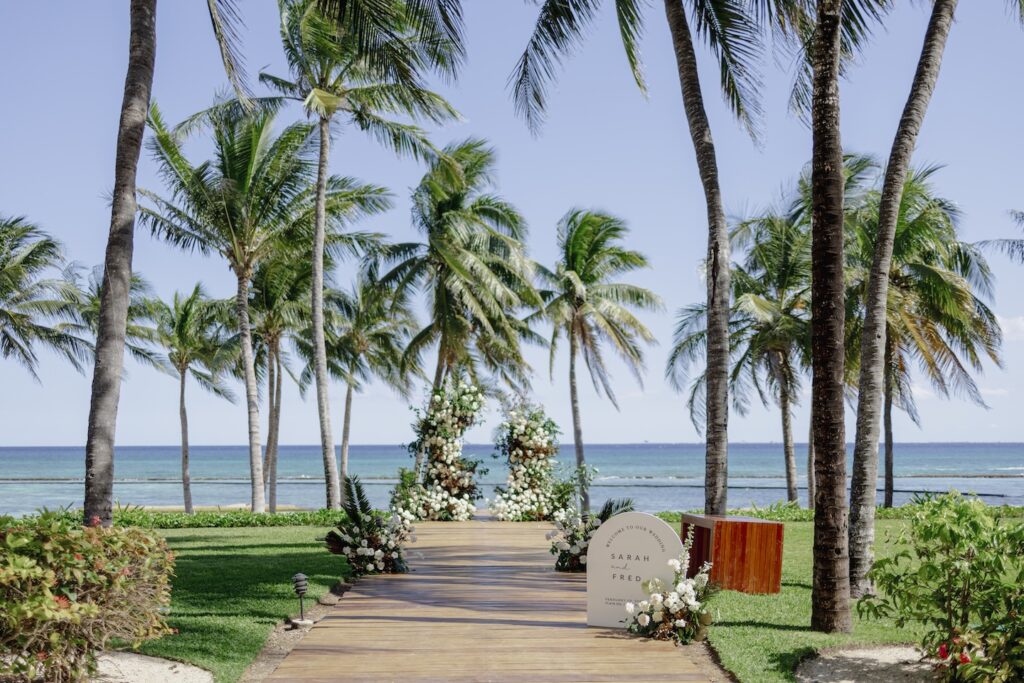
One of the most critical aspects when organizing a beachfront wedding is time management. The sun can be intense during the central hours of the day, which is not only uncomfortable for the couple and guests but also casts harsh shadows that complicate photography. One of the recurring questions is what time a beach ceremony should be held, and the technical answer depends on the sunset.
The experts recommend scheduling the start of the ceremony between 45 and 60 minutes before sunset. This interval will allow you to exchange vows at a pleasant temperature and take advantage of the softest and warmest light of the day.
Impeccable acoustics
The sound of the sea is a romantic element, but it is also a constant and powerful noise that can easily drown out the human voice. There is nothing more frustrating for guests than being unable to hear the readings or wedding vows because of the intensity of the waves or the breeze.
It is essential to hire an audio provider specializing in outdoor events. The setup must include high-fidelity, discreet wireless lavalier microphones for you, your partner, and the officiant. Likewise, the distribution of low-profile speakers throughout the ceremony area will ensure that the sound propagates uniformly and clearly, allowing every word to be heard without the need to raise the volume to annoying levels.
Climate control and backup plan
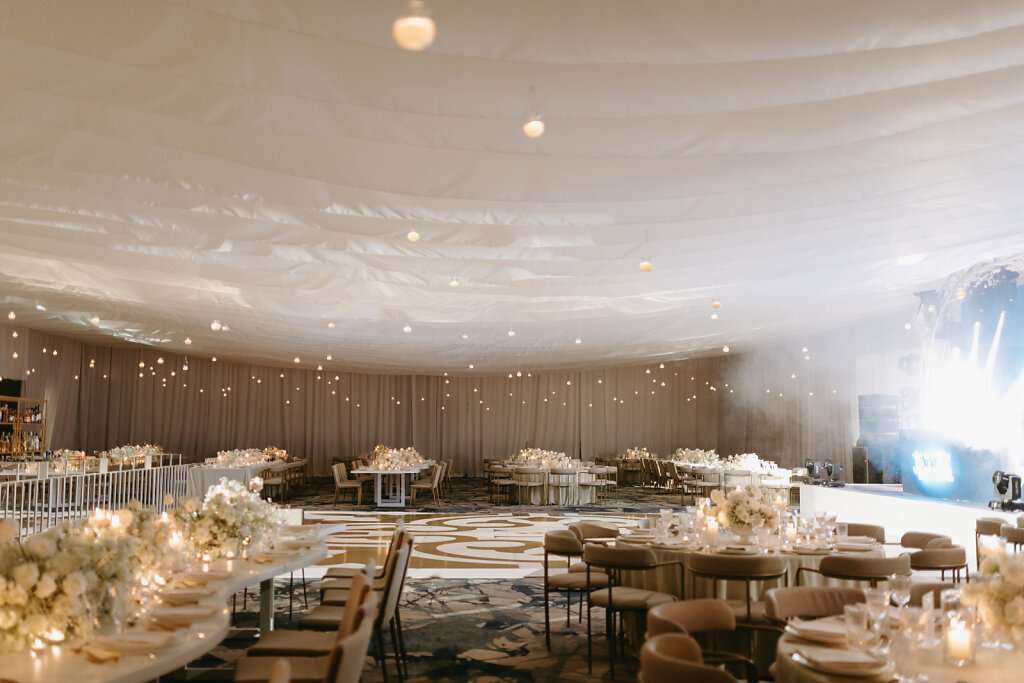
Nature possesses unparalleled beauty, but it is also unpredictable. Celebrating an outdoor event implies accepting that weather conditions can change. Therefore, having a backup plan is not a symptom of distrust, but the hallmark of first-rate professional organization.
Make sure the chosen location has a covered terrace or an events ballroom with sea views, which can be activated immediately in the event of sudden rain or unusual wind gusts. On the other hand, if the reception remains outdoors, installing portable climate-control systems or stylish designer fans will keep the atmosphere cool and allow the celebration to continue comfortably.
In the end, when every technical detail is resolved, and the aesthetics merge with the landscape, all that remains is to enjoy the moment. Allowing the natural environment to enhance your celebration is the true meaning of a luxury experience.
Follow Velas Weddings and find more inspiration: