Mexico through the 5 senses: A journey into its essence
What does Mexico feel like?
It may smell like copal and cinnamon, sound like mariachi in the distance, taste of freshly ground chile or rich cacao. It can look like the vibrant pink of bougainvillea, the turquoise of the Caribbean, or the deep green of the jungle. And it can be felt in volcanic stone, handwoven cotton, or warm sand beneath your feet.
Mexico is a country experienced through all five senses. Its culture, landscapes, and traditions are filled with details that have been passed down through generations.
Here is a journey through some of the aromas, sounds, flavors, colors, and textures that make Mexico a destination that cannot be experienced in just one way.
Aromas that tell stories
Some scents can transport us to a place in an instant. In Mexico, many are closely connected to food, traditions, and rituals.
Copal is one of the most distinctive. Used in ceremonies and rituals since pre-Hispanic times, its resinous aroma remains part of different expressions of Mexican culture.
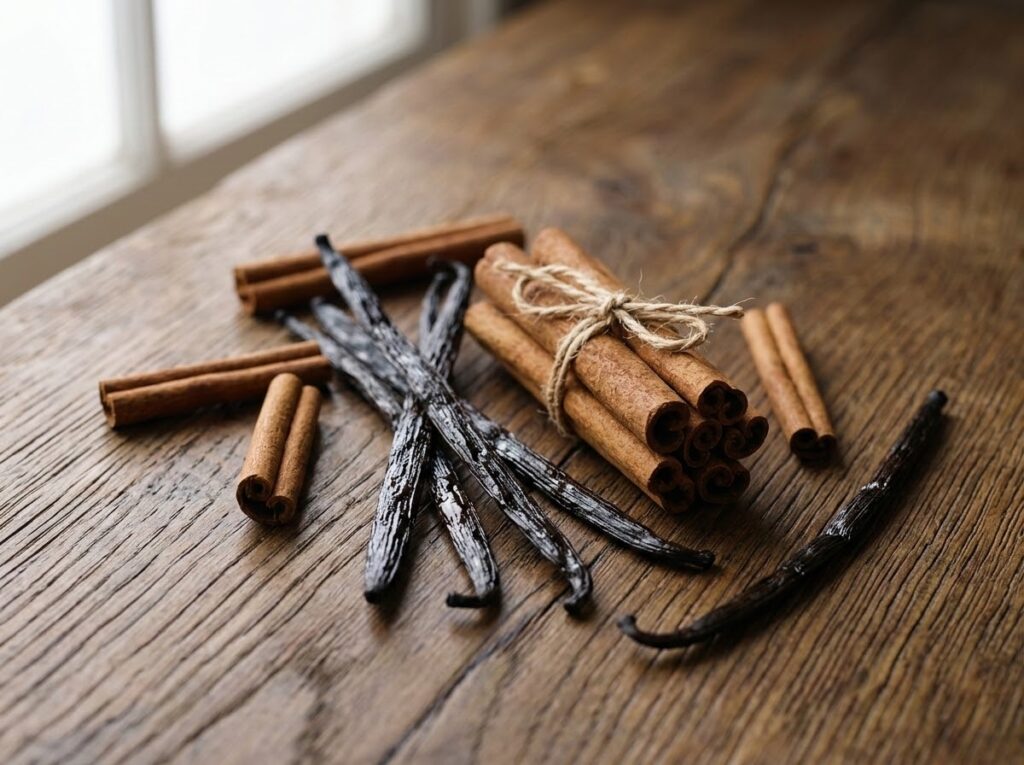
In the kitchen, epazote, cinnamon, and vanilla add other layers to this sensory landscape. Epazote has been used for centuries in dishes such as beans and broths, while cinnamon appears in traditional drinks, desserts, and savory preparations. Vanilla, which originated in Mexico, brings its characteristic sweet and floral notes.
They may be familiar scents, but they are also part of the country’s collective memory.
A soundtrack called Mexico
Mexico is also recognized by what you hear.
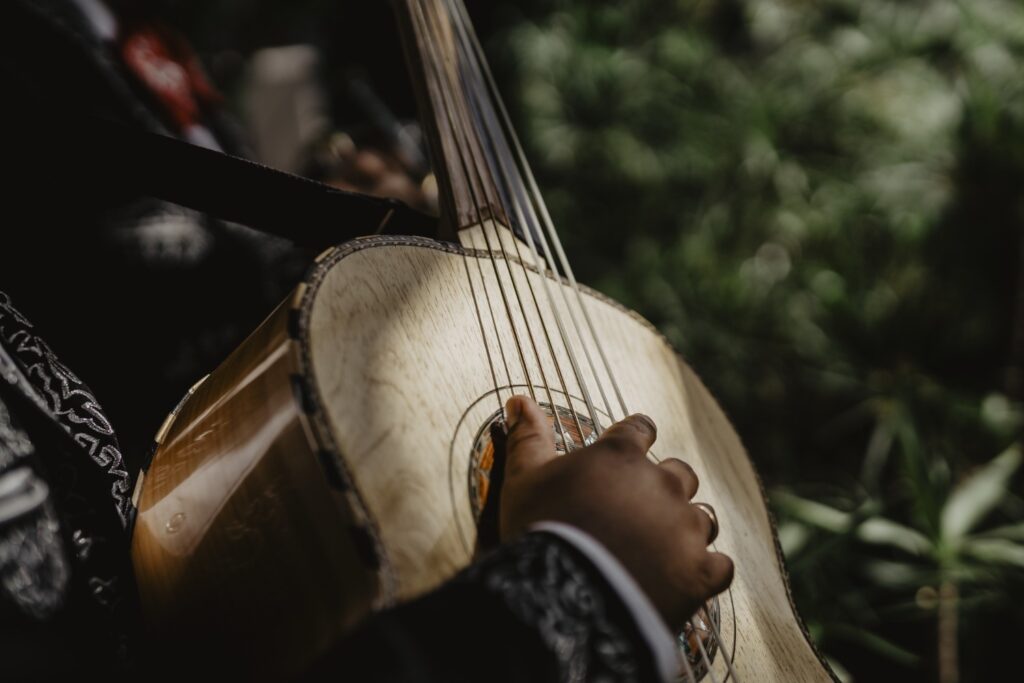
In some cities, the sound of a street organ is part of the urban landscape. In other regions, the marimba fills town squares with its distinctive wooden notes, while mariachi has become one of the country’s most recognizable musical traditions and a UNESCO Intangible Cultural Heritage.
But Mexico’s soundtrack goes beyond its instruments. It can be heard in bustling markets, lively plazas, the sound of waves, and the conversations that bring everyday life to its streets.
To listen to Mexico is to discover that every region has its own rhythm.
A cuisine of contrasts
If there is one sense capable of telling Mexico’s story almost instantly, it is taste.
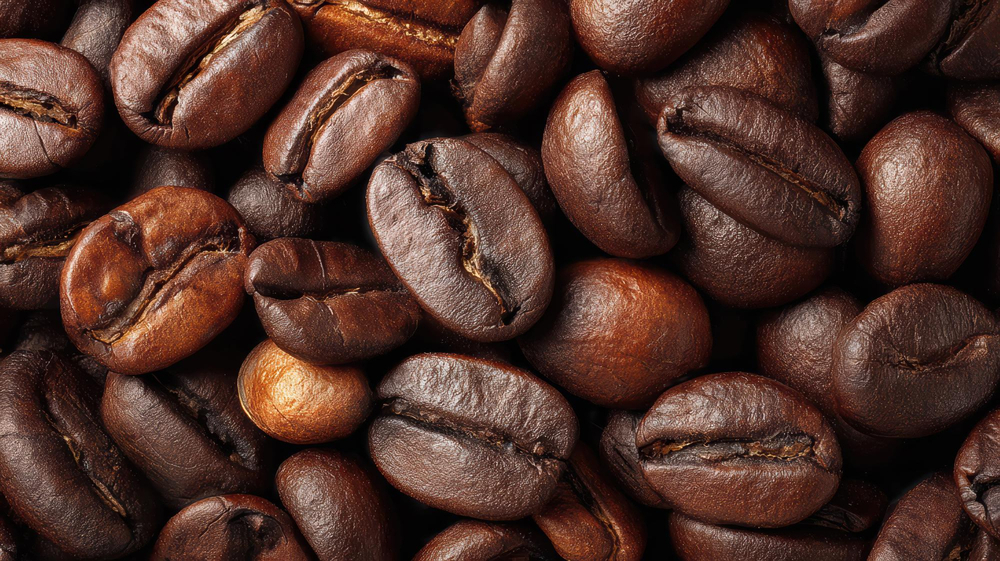
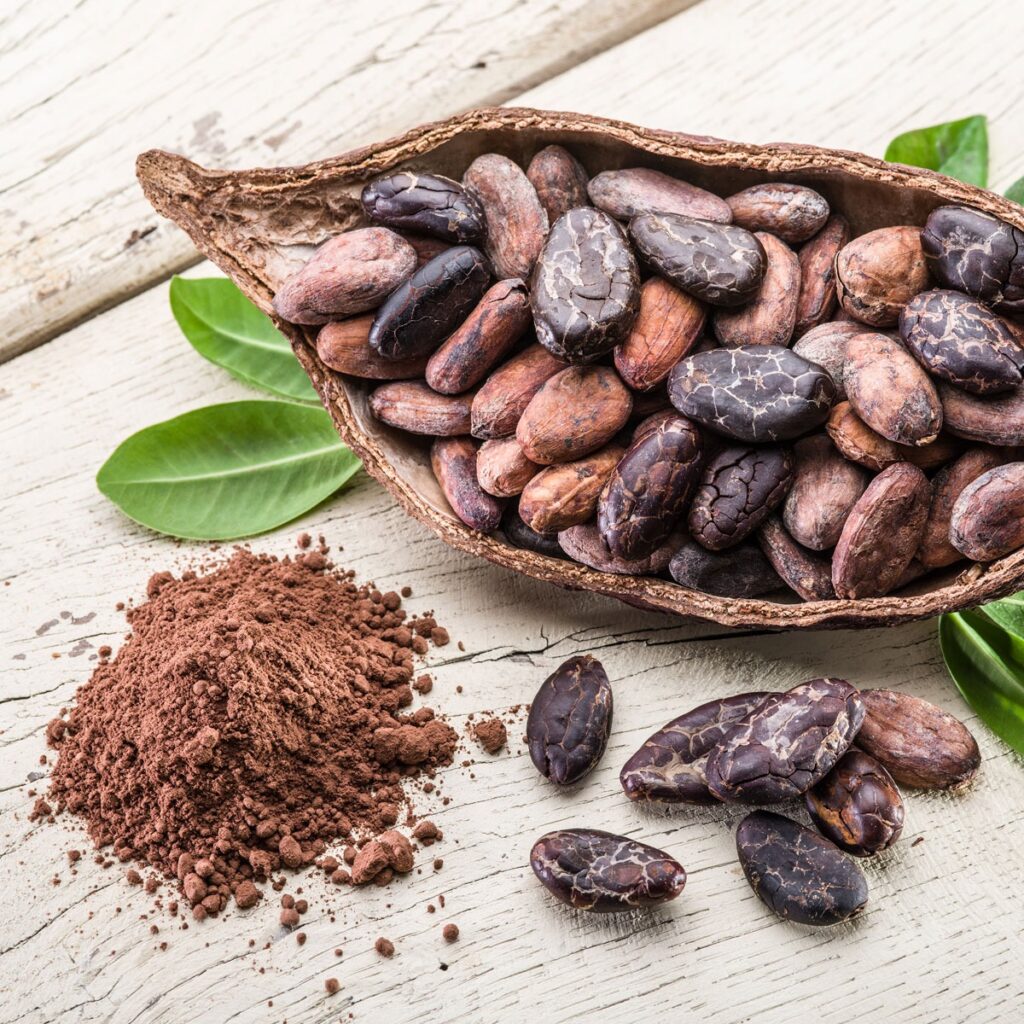
Mexican cuisine is built on contrasts: the heat of chile, the sweetness of piloncillo, the bitterness of cacao, and the smoky notes of mezcal come together in a culinary tradition known around the world.
Chile brings intensity, but also depth and variety. Piloncillo adds sweetness to both savory and sweet preparations. Cacao connects today’s cuisine with traditions that date back to Mesoamerican cultures. And mezcal reflects the character of the different agaves and regions where it is produced.
Then there are corn, beans, herbs, fruits, and countless other ingredients that make Mexican cuisine as diverse as the country itself.
To taste Mexico is, in many ways, to taste its history.
The colors that define mexico
It is difficult to imagine Mexico in black and white.
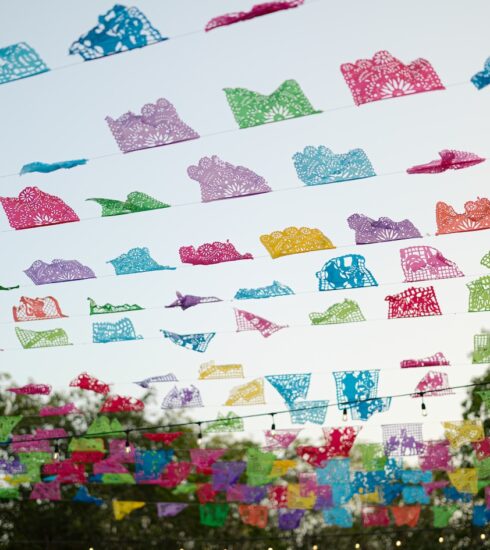
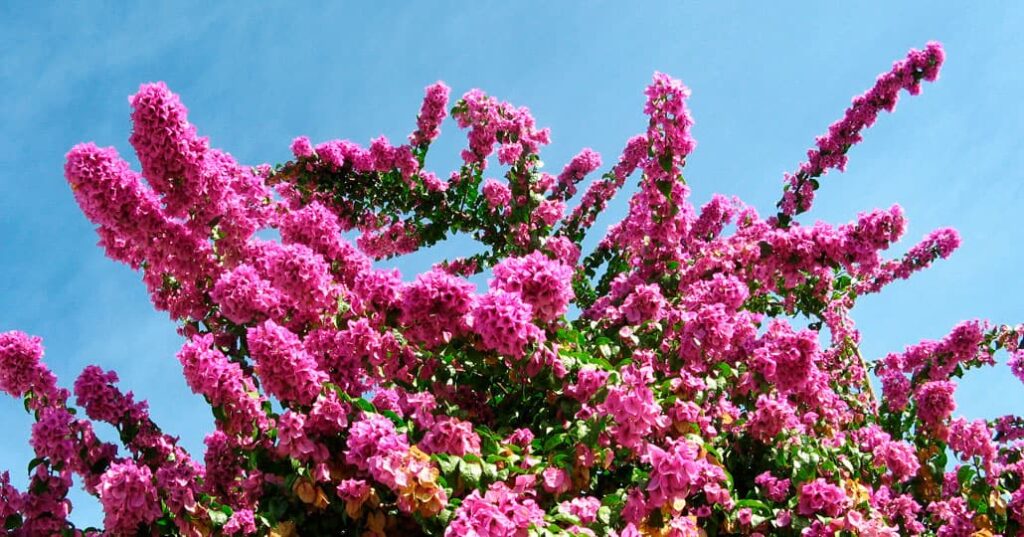
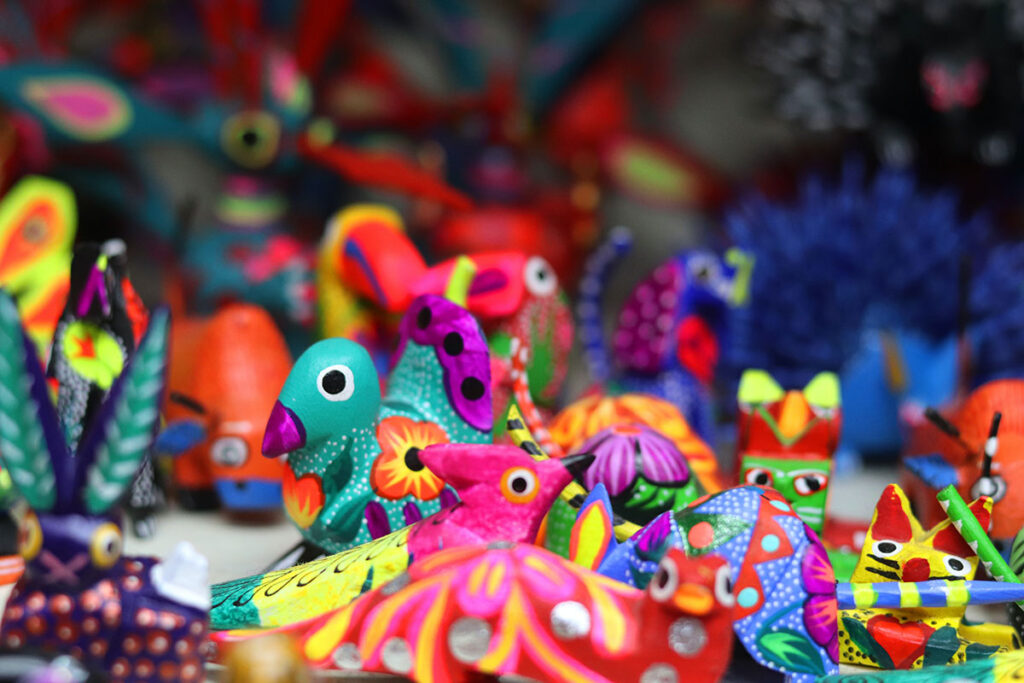
Mexican pink appears in flowers, textiles, façades, and crafts. Terracotta evokes earth and pottery. Turquoise brings to mind the waters of the Caribbean, while deep blue recalls the Pacific coast. And the many shades of green found throughout the country reflect landscapes ranging from tropical jungles to the countryside of central Mexico.
This vibrant palette also comes alive in markets, textiles, architecture, and celebrations.
These colors do more than decorate. They reflect Mexico’s landscapes, creativity, and distinctive way of expressing its identity.

Textures that connect us to the land
There is another way to discover a destination: by touch.
Volcanic stone, rough and resilient, has long been used in architecture, sculpture, and traditional objects such as the molcajete. Cotton, woven by artisans across different regions, becomes textiles that tell stories through their techniques and designs.
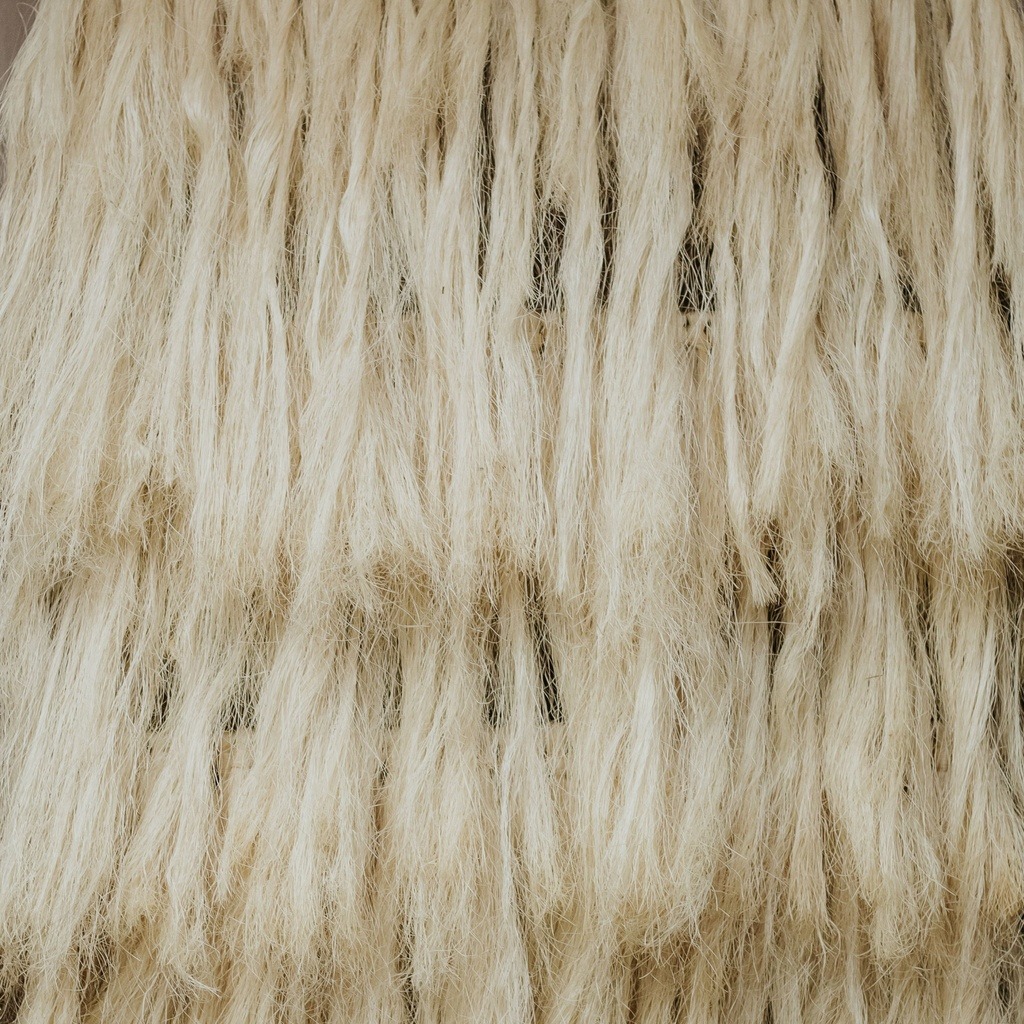
Natural fibers such as henequen and palm are also part of Mexico’s craft traditions, while the sand along the Pacific and Caribbean coasts offers a much simpler—but equally evocative—texture.
Together, these materials remind us that much of Mexico’s character comes from its relationship with the land and the hands that transform it.
Mexico stays with you in many ways: in a scent, a song, a flavor, a color, or a texture. And perhaps that is why, long after you leave, there is always something that makes you want to come back.