Travel back in time in majestic Mexican haciendas
If walls could talk, Mexican haciendas would tell us epic stories of aristocratic banquets, sugar kings, pulque lords, and stone fortresses. Traveling to these centuries-old estates is the perfect excuse to combine history, architecture, and a stylish countryside getaway.
A brief history of Mexican haciendas
According to Gisela von Wobeser in La formación de la hacienda en la época colonial (The Formation of the Hacienda in the Colonial Era), following the 16th-century Conquest, the Spanish Crown granted land concessions known as mercedes reales (royal grants) for agriculture and livestock. Over time, these production units grew into truly self-sufficient territories.
In this way, the term hacienda, which originally referred to a person’s set of goods and material wealth, first appeared on a 1579 map of the Zacatula region in Guerrero, cited as “house and hacienda of Villegas.”
Fortified architecture and period details
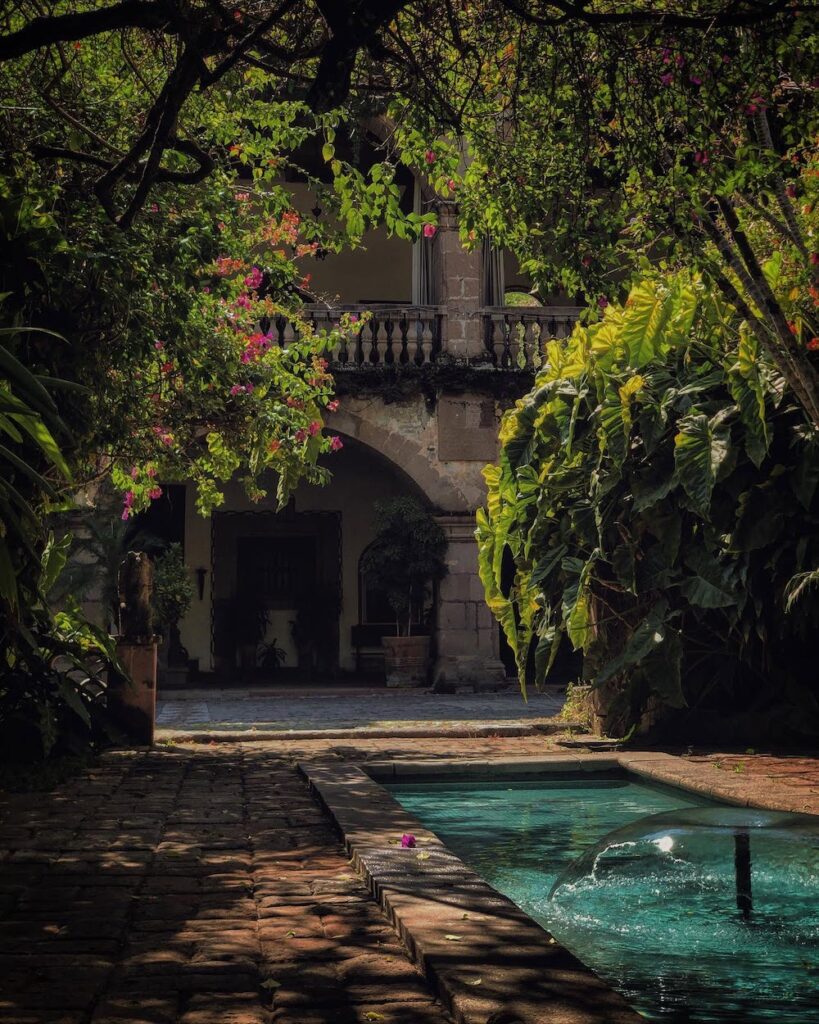
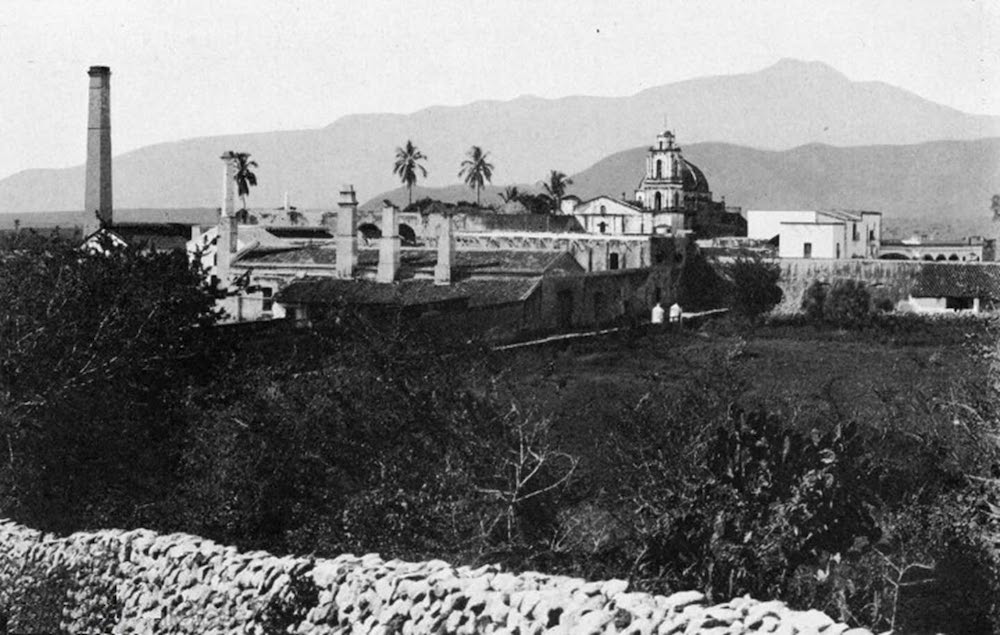
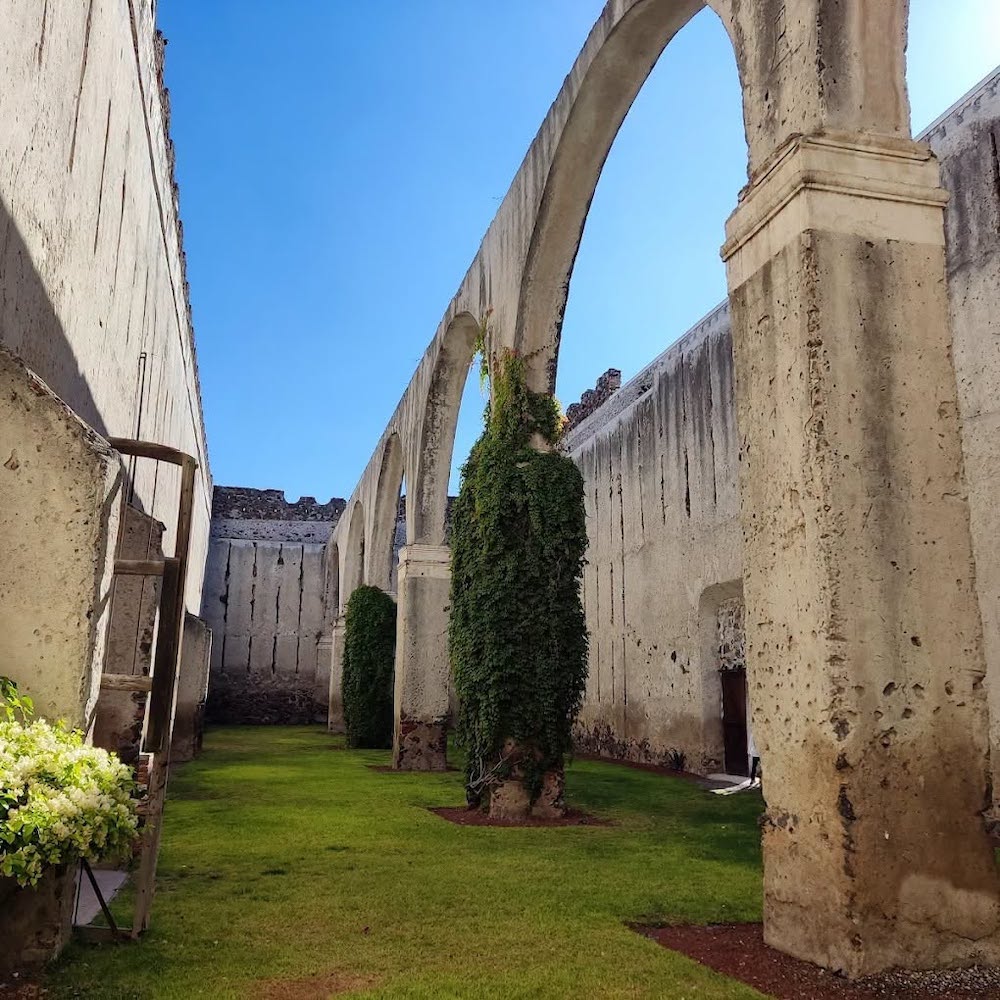
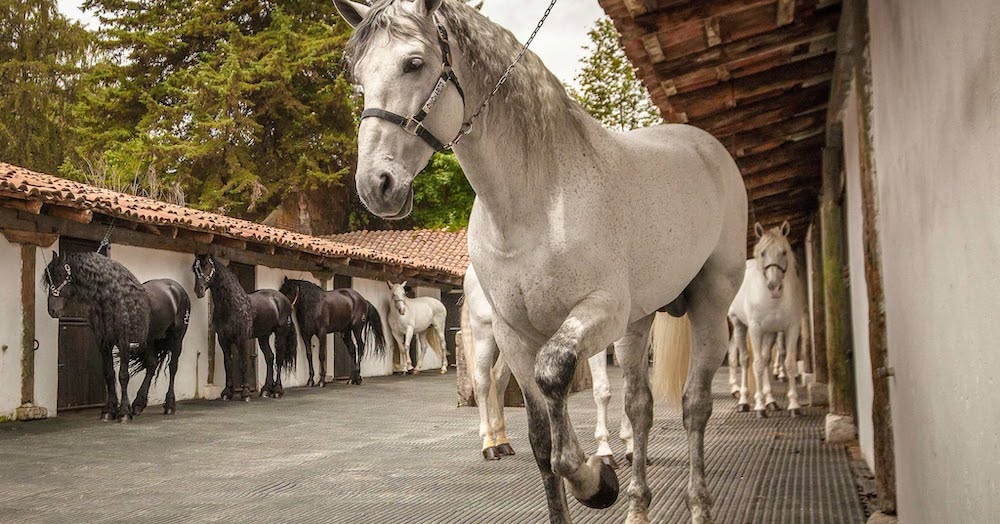
Built with robust stone walls that evoked medieval castles and defended against enemy attacks, these complexes were organized around two main courtyards. The main courtyard, usually surrounded by quarry stone arches, connected the casa de morada (the hacendado’s residence) with the private chapel. Meanwhile, the service courtyard housed stables, corrals, granaries (trojes), and blacksmith and carpentry workshops.
Furthermore, Mexican haciendas required large amounts of water, so aqueducts, sugar mills (ingenios), or tinacales (pulque fermentation facilities) often stood nearby, separate from the workers’ simple adobe or straw dwellings.
The main types of Mexican haciendas
Depending on the climate and soil resources, each estate developed a unique economic purpose:
- Sugar haciendas: Flourished in warm lands like Morelos, Jalapa, and Michoacán, requiring impressive aqueducts and complex mills financed by the elite.
- Grain haciendas: Dominant in Puebla, El Bajío, and the Valley of Mexico, focused on wheat and corn with huge granaries and hydraulic mills.
- Livestock haciendas: Typical of the north and steppe regions; covered massive tracts of land for cattle and horse breeding with minimal urban infrastructure.
- Pulque haciendas: Emblematic of the Plains of Apan, Hidalgo, centered on harvesting aguamiel in the tinacal with little capital and labor.
- Tropical product and mixed haciendas: Dedicated to cacao cultivation on the Pacific coast and indigo in Yucatán, though many combined agriculture and livestock for self-consumption.
Three must-visit Mexican haciendas
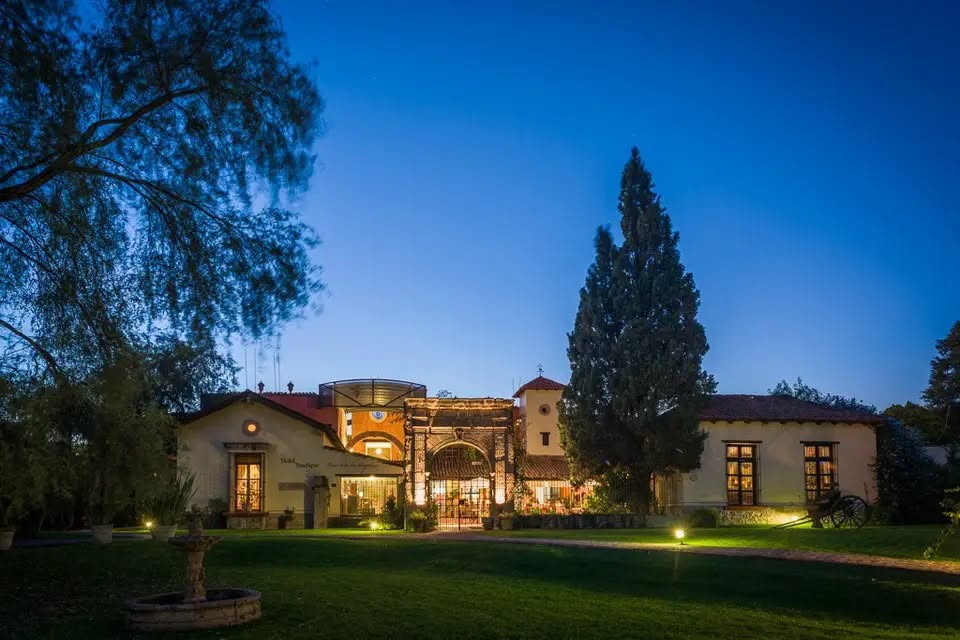
The National Institute of Anthropology and History (INAH) has documented nearly 2,433 ex-hacienda structures in the National Catalog of Historical Monuments. Fortunately, time has transformed many into hospitality and culinary gems. Here are three you cannot miss:
Hacienda de San Gabriel de las Palmas
Amacuzac, Morelos
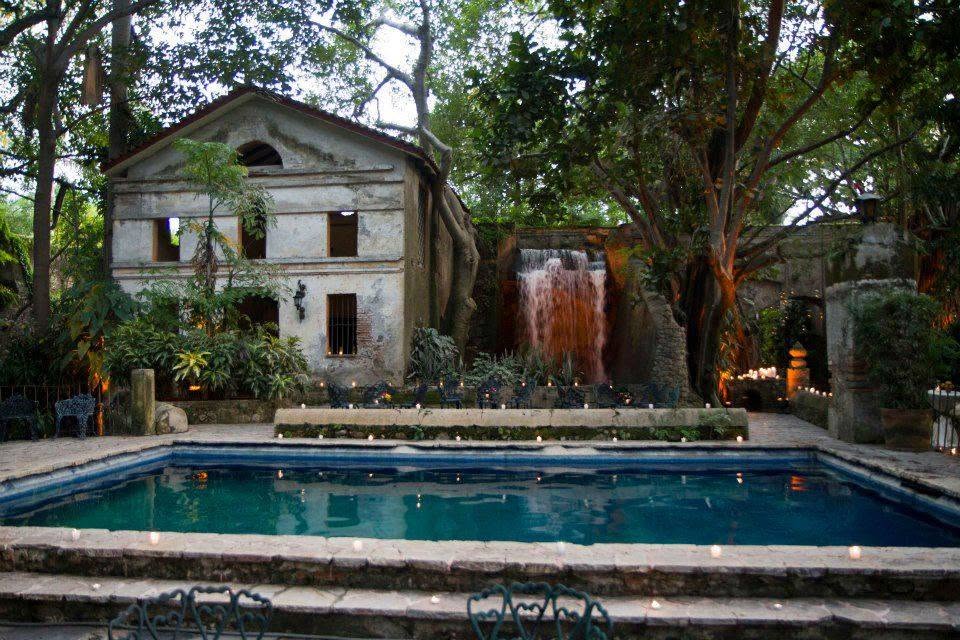
Built in 1529 by order of Hernán Cortés, it served as a residence for Franciscan missionaries until 1558, when San Gabriel became a sugar plantation that would later grow into Mexico’s largest and most important sugar mill.
Hacienda Santa María Regla
Huasca de Ocampo, Hidalgo
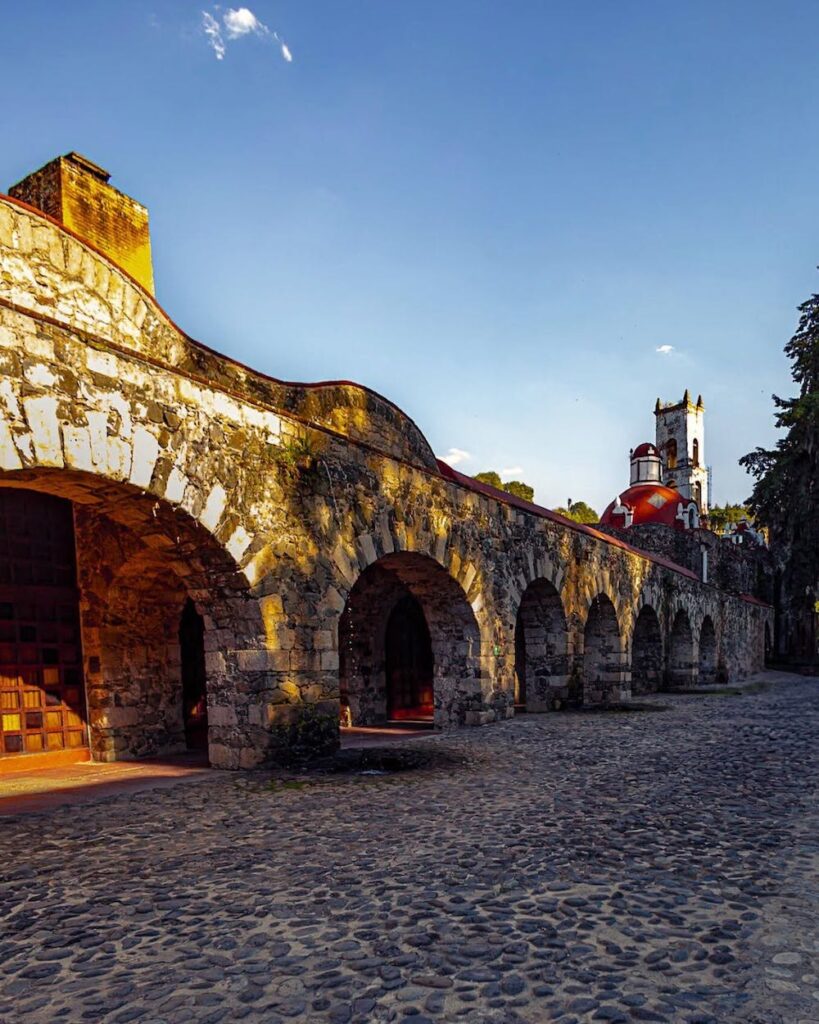
Built between 1760 and 1780 by Don Pedro Romero de Terreros, a wealthy Spanish mining entrepreneur and philanthropist. This property became the region’s pioneer in gold and silver processing. Its privileged location inside the canyon, surrounded by the iconic Basaltic Prisms, frames it in a majestic natural setting. Today, you can admire its legacy by staying on-site or celebrating a special event among its history-filled walls.
Hacienda San Pablo de Enmedio
Tlalnepantla, State of Mexico
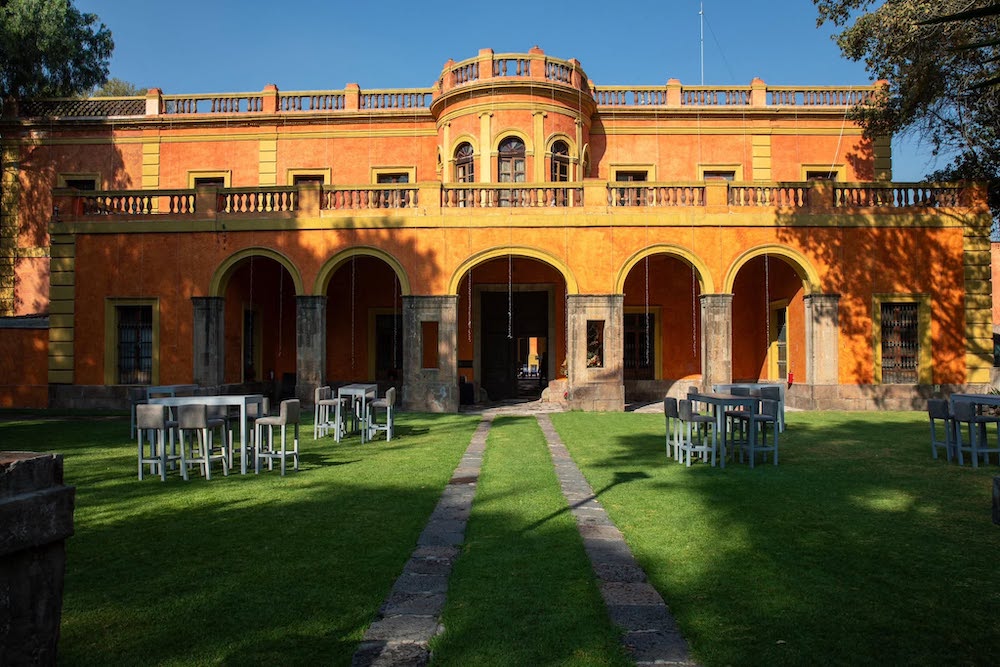
One of the most important haciendas of its era due to its milk and grain production. Today, you can visit to sample traditional Mexican dishes at its Cocina de Hacienda restaurant or plan an event on the lush lawn, in front of the famous “Media Luna” facade, inside the main structure, or in the main hall.
Walking through the hallways and courtyards of Mexican haciendas means connecting face-to-face with our country’s roots. Grab your camera and explore these historic buildings!